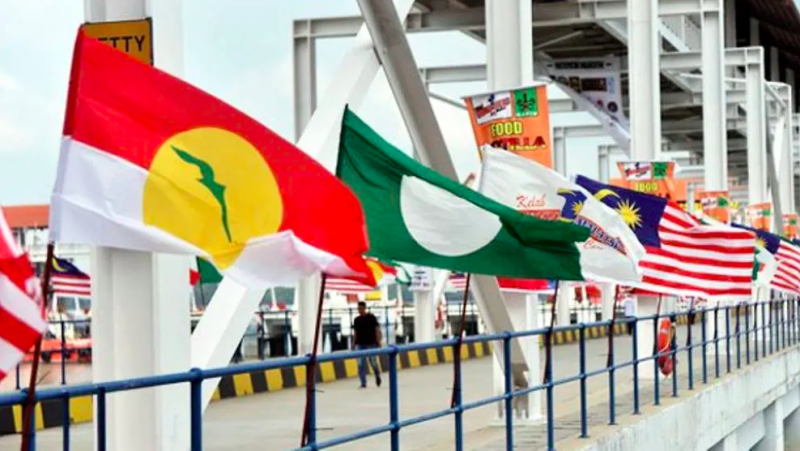

UMNO and PAS may be open to working together in the coming elections, but agreeing on who contests where is another matter.
Both parties have reasons to consider an electoral pact. Avoiding contests against each other could reduce vote-splitting, while cooperation could allow UMNO to regain ground in states where PAS has built a strong following.
But neither party is likely to enter negotiations without protecting its own interests. The difficult question is how far each is prepared to compromise, particularly in constituencies it believes it can win.
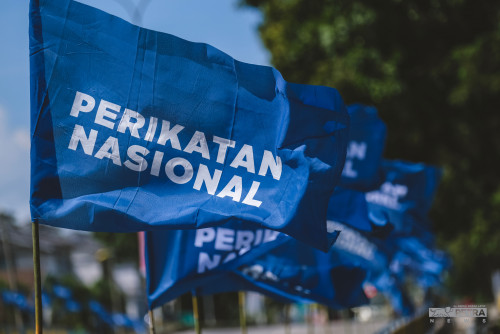
That challenge is most apparent in Kelantan, Terengganu, Kedah and Perlis, where PAS and Perikatan Nasional have a stronger electoral presence than UMNO.
For UMNO, cooperation could open doors in states where it has struggled to regain its footing.
For PAS, making room for Umno could mean surrendering constituencies where it sees little need for assistance from a political partner.
The prospect of an alliance, therefore, does not automatically translate into an agreement on seat allocation.
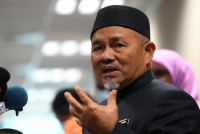
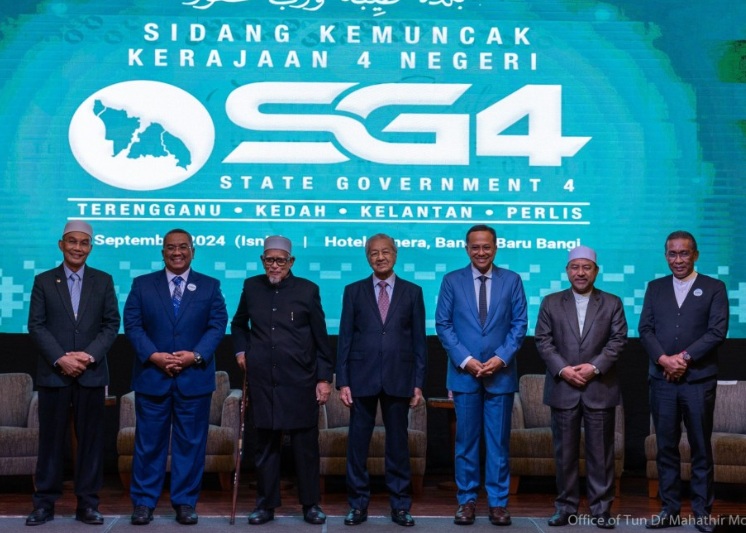
PAS assistant secretary-general Syahir Sulaiman has cautioned against assuming that an understanding in Melaka would extend to the four states collectively known as SG4.
He said PAS president Abdul Hadi Awang’s remarks recognising Barisan Nasional’s leadership in Melaka were made specifically in the context of that state’s election.
Formal negotiations on seat allocation for the 16th general election (GE16) and SG4 have yet to begin, although Syahir acknowledged early indications of possible cooperation.
His remarks underline the difference between agreeing in principle to work together and settling the terms of an electoral arrangement.
The political balance in Melaka is different from that in states where PAS holds a much stronger position, making a common formula difficult to establish.
UMNO deputy president Datuk Seri Mohamad Hasan has also called on PAS to demonstrate its commitment to cooperation.
At the party’s 2026 general assembly, he suggested that PAS consider an election in one of the SG4 states after the Melaka polls as a test of its sincerity.
He also warned Umno against becoming too dependent on other parties, a reminder that any alliance would have to serve its own long-term interests.
For Umno, going it alone carries the risk of three-cornered contests that could divide votes and cost seats.
But an agreement that leaves it with only limited opportunities in SG4 could make it harder to rebuild its own political machinery there.
PAS faces a different calculation. It may see advantages in avoiding direct competition with UMNO, but accommodating its former rival would require it to weigh the benefits of a broader alliance against the possibility of giving up constituencies it could otherwise contest.
Neither side can assume that cooperation will automatically produce gains for both.
The negotiations could also expose differences over what each party considers a fair arrangement.
UMNO may want sufficient room to rebuild its presence, while PAS would have little reason to accept a distribution of seats that does not reflect its strength on the ground.
For now, there is no confirmed seat-sharing formula for SG4. Syahir’s remarks about early indications of cooperation do not establish that PAS has agreed to make way for Umno in any particular constituency.
Both parties can continue to express an interest in working together while leaving the more contentious questions unresolved. That position, however, will become harder to sustain once formal negotiations begin and individual seats have to be accounted for.
The test will not simply be whether Umno and PAS can agree to cooperate. It will be whether they can reach an arrangement that each considers worthwhile without asking the other to make concessions it has little incentive to accept.
In SG4, where their electoral strengths are far from equal, that is likely to be the central difficulty facing any proposed pact. – October 23, 2026