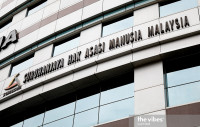
KUALA LUMPUR – Malaysia has “undergone an incredible reversal of human rights in 2020” after reform efforts were stopped when Perikatan Nasional (PN) seized power from Pakatan Harapan (PH) last February, said Human Rights Watch's (HRW) World Report 2021.
HRW said Prime Minister Tan Sri Muhyiddin’s administration "aggressively cracked down" on free speech and protests.
“Malaysia has undergone an incredible reversal of human rights in 2020 – all for the worst,” said HRW deputy Asia director Phil Robertson.
Freedom of speech, but no freedom after speech
HRW highlighted various instances where the PN administration punished speech critical of the government.
“Muhyiddin seems intent on dragging Malaysia back to the bad old days of the (Datuk Seri) Najib (Razak) government, when simply speaking out publicly about sensitive topics would have the police soon knocking at your door,” Robertson said.
One incident saw activist Fadiah Nadwa Fikri slapped with a sedition investigation after organising a protest to condemn PN's method of seizing power.
The independent, international organisation also highlighted that the press were not spared by the PN regime, in reference to a statement made by Senior Minister (Security) Datuk Seri Ismail Sabri Yaakob.
On April 11, Ismail Sabri had said that Putrajaya would take "stern action against media (organisations) that misreport facts”.
This possibly resulted in the questioning of journalist Tashny Sukumaran by the police over an article concerning migrant workers.
Uproar was also sparked after Al Jazeera's office in Kuala Lumpur was raided by authorities after the channel aired a documentary on Malaysia's mistreatment of migrants.
"The Immigration Department announced that it had revoked the work permit of Mohammed Rayhan Kabir, a migrant worker from Bangladesh who featured in the documentary. He was arrested on July 24 and remanded for investigation. Malaysia deported him back to Bangladesh on August 21," HRW's report read.
Xenophobia against refugees, migrants
During the movement control order (MCO) last year, Malaysia saw a rise in xenophobic rhetoric against refugees and asylum seekers.
"Malaysia did little to stop a vicious online hate speech against Rohingya refugees in the country in April," the report said.
HRW said Malaysia has yet to ratify the Refugee Convention 1951, resulting in asylum seekers having no legal status.
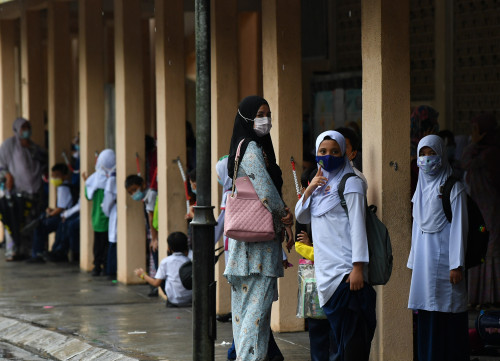
This lack of legal recognition results in refugees being unable to work or enrol in government schools.
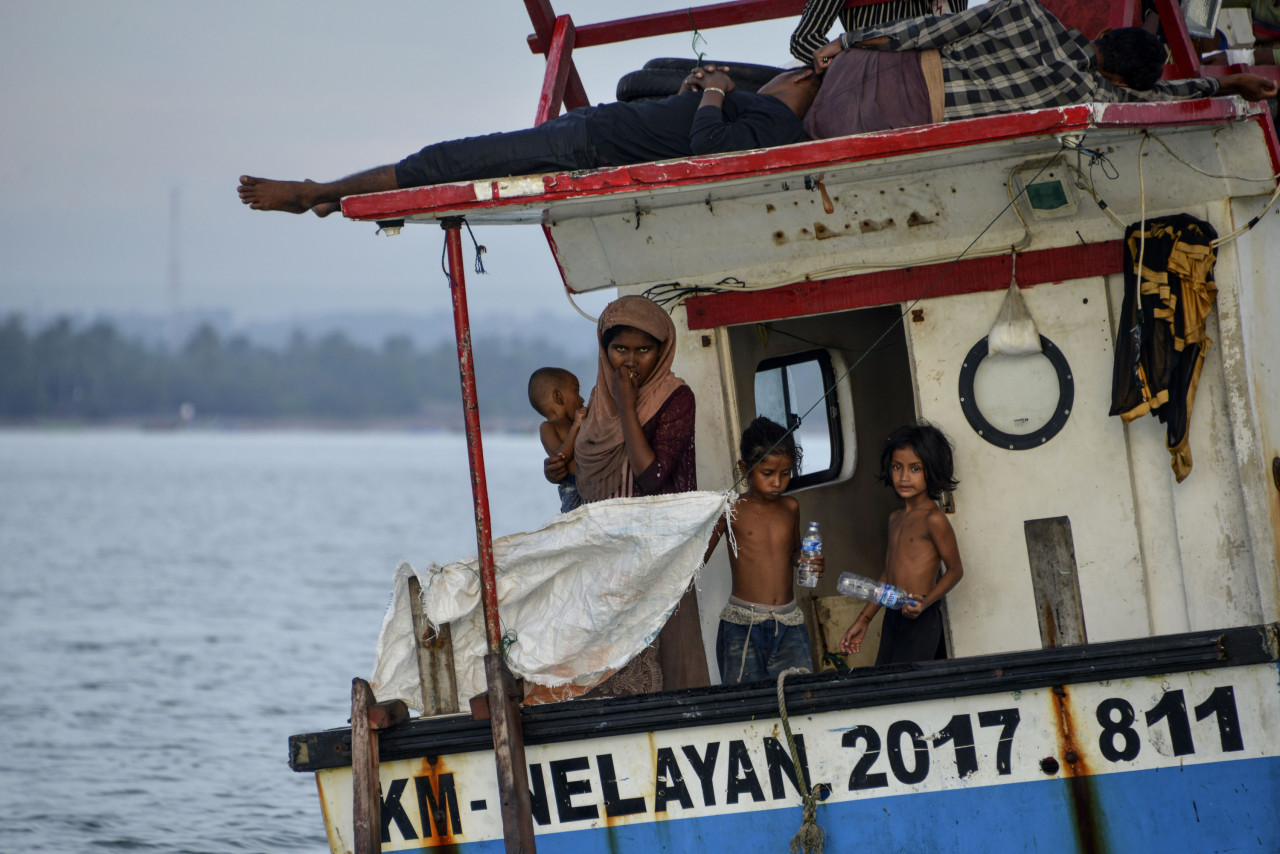
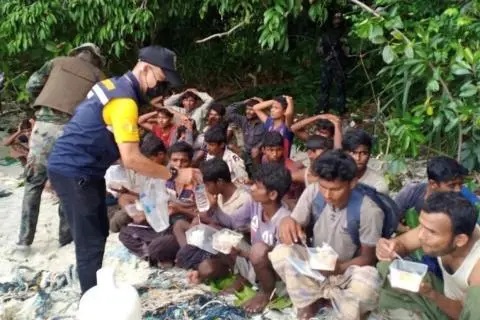
"The authorities pushed boatloads of desperate Rohingya refugees who were trying to reach Malaysia’s shores back out to sea, claiming that they were doing so to prevent the spread of Covid-19.
"Those that have been permitted to land have been detained as illegal migrants, with some prosecuted for immigration violations. Even children have been detained in shelters and threatened with prosecution."
Human rights abuses were not only limited to refugees, but illegal immigrants as well, HRW said.
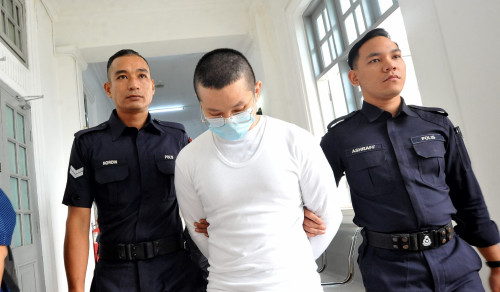
While the authorities had initially said they would not take action against undocumented migrants who came forward for Covid-19 testing, Ismail Sabri later announced that illegal immigrants in enhanced movement control order (EMCO) areas would be sent to detention centres.
Attack on Ahmadiyya adherents
The Ahmadiyya Muslim Community is an Islamic revival movement originating from Punjab, India.
However, the Court of Appeal has set aside a ruling stating that Ahmadiyya followers are not subject to shariah law.
The reason for setting the judgement aside is due to the fact that religious authorities do not consider Ahmadiyya followers as Muslims.
"The Court of Appeal ruled that if the Ahmadiyya are proven to have converted from Islam, then the religious authorities would have authority over them, and sent the case back to the high court for a determination of the original faith of the 39 plaintiffs," the report said.
HRW also pointed towards the judiciary's approach in labelling Sisters In Islam (SIS) as a deviant organisation.
"In April, the US Commission on International Freedom of Religion recommended that Malaysia be placed on a special watch list for violations of religious freedom," the HRW report said.
LGBT crackdown
Malaysia has long held a hard stance against the lesbian, gay, bisexual and transgender (LGBT) community.
HRW highlighted that Malaysia has federal and state shariah laws prohibiting sodomy, resulting in frequent arrests of transgender people.
"In July, the minister in charge of religious affairs gave full licence to the religious authorities to take action against transgender people, both through arrests and religious education to return them to the right path," the report said.
Child marriage
Under shariah enactments in most states, the minimum marriageable age is 16 for girls and 18 for boys.
Permission from the shariah court is needed to allow marriages below those ages.
"Widespread school closures due to Covid-19 may also increase risks of child marriage, as research shows that leaving education is highly correlated with girls being married off." – The Vibes, January 14, 2021