
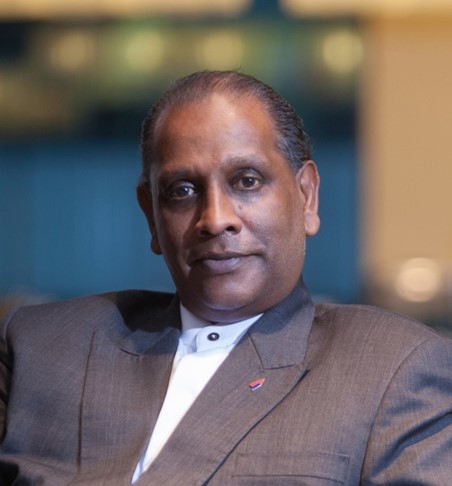
LANGKAWI – There is an immediate need of aid for the hospitality industry as the present relaxation of standard operating procedures (SOPs) is deemed inadequate to help in the recovery of hotels and resorts, said a veteran hotelier here.
Reginald T. Pereira said despite various hotel associations putting forward proposals to the relevant government agencies and dialogue sessions, the incentives provided by the authorities have not been encouraging enough for the industry to sustain.
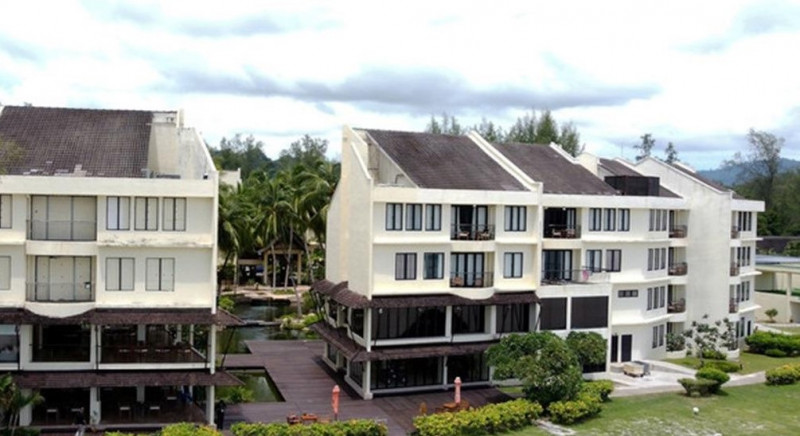
Pereira, whose company manages the Tanjung Rhu Resort Langkawi here, is of the opinion that the industry has been neglected during these challenging times.
All this while, tourism has been contributing billions of ringgit to the income of the country – one of the largest contributors.
However, when the pandemic hit the industry, hoteliers have not seen the government providing sufficient incentives for owners to retain employees and sustain businesses.
Pereira said this has resulted in almost 100 hotels nationwide having to cease operations, either temporarily or on a permanent basis.
“At the rate things are going, more hotels may have to go down the same path and more people will be unemployed.”
One of the incentives that the industry has been lobbying for more than a decade now is the preferred industry rate for electricity tariffs.
At the moment, hotels must pay commercial tariffs when they should be accorded industry tariffs.
All these years, Pereira said, Tenaga Nasional Bhd (TNB) has been collecting commercial tariff rates from the hotel industry, and the time has come for TNB to give back by charging hotels with industry rates.
He said Malaysia has also lagged behind other countries in providing wage subsidies.
“Even then, a lot of hotels have not received the subsidies from as far back as July last year. How are we expected to continue to retain employees when the assistance that was to be provided has not been released?”
Hotels are observing very stringent SOPs put in place since the first movement control order (MCO), and continue to maintain those SOPs even under the conditional MCO (CMCO) and recovery MCO (RMCO).
“We are still subject to MCO SOPs, especially with regard to dine-ins and the use of facilities for in-house guests.
“Even though some SOPs were relaxed under the CMCO and RMCO, the hotel industry still maintains social distancing and limit the number of patrons in its restaurants,” said Pereira.
He said each table will be sanitised after guests have had their meals, adding that the next guest is not allowed to sit at the same table until it has been sanitised.
At the Tanjung Rhu Resort Langkawi, the management has even appointed a health and safety officer to ensure that SOPs are maintained.
The property has also been certified “clean and safe” by Bureau Veritas and International Certification Company, supported by the Tourism, Arts and Culture Ministry.
“This is how serious the industry is in ensuring that standards are maintained,” said the veteran hotelier.
It was reported that tourism authorities are exploring the setting up of a green travel bubble for foreign arrivals, but Pereira has suggested that the priority be placed first on domestic travel.
“Let us put our house in order. Airliners should also assist with their fares rather than try to make up losses incurred. What is gone is gone, we should all work together.”
He also raised concerns on the duty-free exemption for tobacco, which will be revoked effective April 1.
“Domestic tourists may shy away from Langkawi if there are no longer incentives to visit.
“If the issues raised are not given immediate attention, rest assured that when Malaysia is ready to welcome International tourists, most of the country’s hotels will be shuttered.” – The Vibes, February 20, 2021.