
KUALA LUMPUR – Those involved in the creative industry know all too well of the battle to continue upholding the arts and culture economy in Malaysia even before the pandemic.
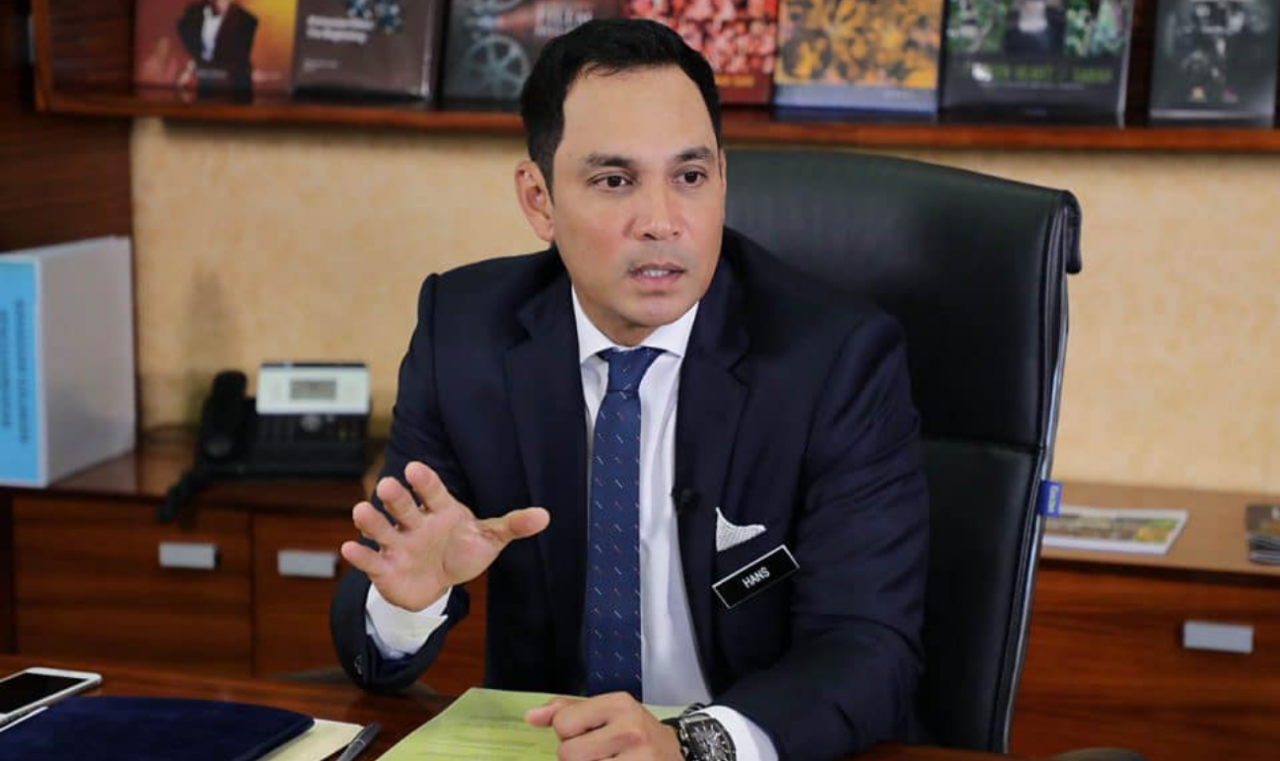
“My first thoughts are on the emphasis of implementing KWSP (Employees Provident Fund) and Socso (Social Security Organisation) contributions because more than 90% of creative practitioners do not have this,” said former National Film Development Corporation (Finas) chairman Datuk Hans Isaac.
“It’s not so much of a budget issue, but a policy issue. An ideal budget direction for the creative industry (or any industry for that matter) is how federal spending can support the relevant ecosystem competently.
“If a pandemic (or any similar unprecedented event) happens again and the government decides to go to these entities as monetary reserves, creative individuals, where most at present are gig-based, at least have something to fall back on.”
He told The Vibes that the industry does not necessarily have to follow the statutory contribution rate of employee-employer share if it is seen as “too high”.
“For instance, a total input of 15% (broken down to 8:7 of employer to employee) is enough to set the seal on. The paperwork was done when I was the chairman of Finas and it could have been easily implemented through a policy basis, utilising the national budget to support it.
“The Socso allocation is not that high to protect the entire ecosystem if you are looking at an average of 30,000 practitioners at the rate of RM20 to be insured.”
In favour of abolishing the entertainment tax, he said: “Currently, we are talking about over 20% on sales of cinema tickets. The government can decide to abolish this at the state level.
“Even after I left Finas, I managed to bring down the tax from 25% to 15% together with the MB of Selangor. Datuk Seri Amirudin Shari managed to put it in the state budget at the time (pre-pandemic), when I was part of the panel to consult on the entertainment industry.
“Unfortunately, when the pandemic hit and cinemas temporarily ceased operations, we were not able to take advantage of this benefit,” he said.
Sabah is the only state in Malaysia right now that does not have entertainment tax imposed because it encourages local investments. I hope that Budget 2022 will touch on the entertainment tax, abolishing it entirely for all cinemas nationwide. It will support the next five to six years since operators and filmmakers need to recover from the impact of the pandemic.”
Enhance quality resources for efficient support
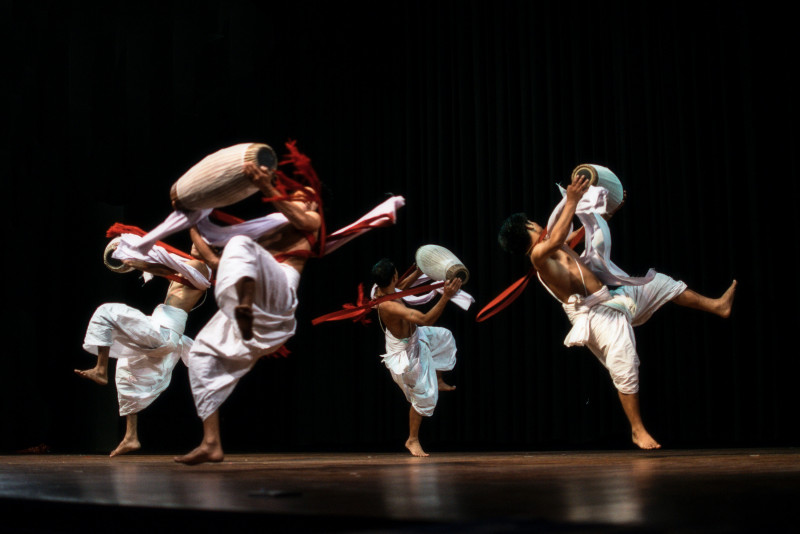
Meanwhile, Malaysian Indian classical dance pioneer Datuk Ramli Ibrahim said: “Waiving spending on performance tickets, venue rentals, and printing of arts brochures/books will recover confidence to spend in the arts again.
“A lot of my peers have spent a lifetime in the industry and not many are getting the appropriate funding needed. There seems to be a trust deficit where budget allocation (for the arts) is concerned.”
Ramli said independent artists and art managers have given their recommendations over the years, but few have been heeded.
“There has been hardly any tracking of how the funds had been spent in the last few years, even with Cendana’s (Cultural Economy Development Agency) involvement.
“There seems to be more money on ‘community’ arts (to gain electorate support) rather than ‘serious’ arts where the latter is not able to gain this mileage. Comprehensive auditing of the existing arts infrastructure must be in effect.”
Continuity of creation and creative control
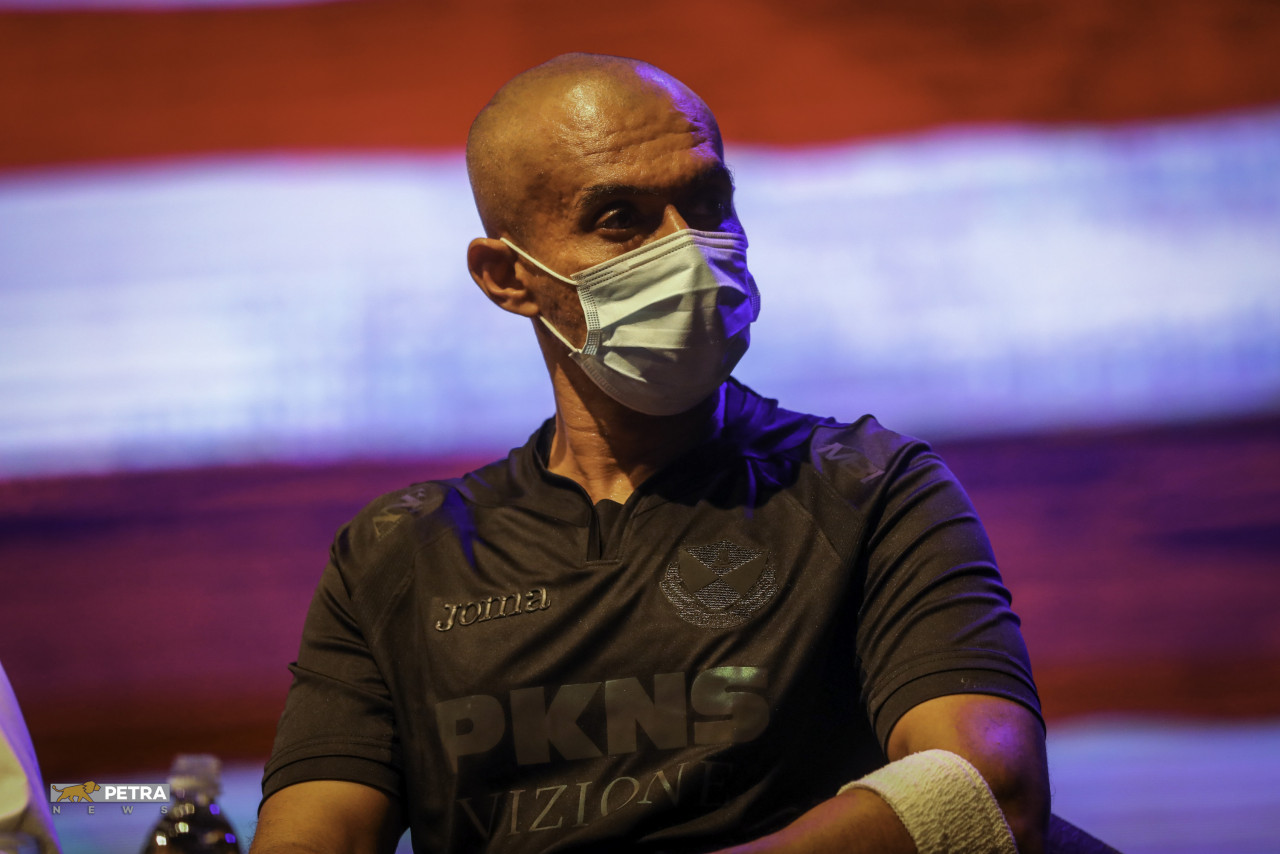
“As with other industries, there was a big struggle (among practitioners) to adapt to the pandemic well enough to survive. Some prevailed while others did not,” said rap artist and composer Syed Ahmad Syed Abdul Rahman Alhadad, also known as Altimet.
Despite grouses, he said practitioners should acknowledge that the government made efforts to help people in the creative industry, but fell short.
“My hope for the industry is for it (and creatives involved) to be less reliant on government aid, as the patterns (that we can observe today) have indicated that the intention and effort to help the stakeholders failed to reach them repeatedly.
“My call to action is to just let us work, guys. Our industry was the first to get shut down and the last to be allowed to operate. As a result, most of us have grown to be cynical – or sceptical – of the government’s help.”
Tough on freelancers
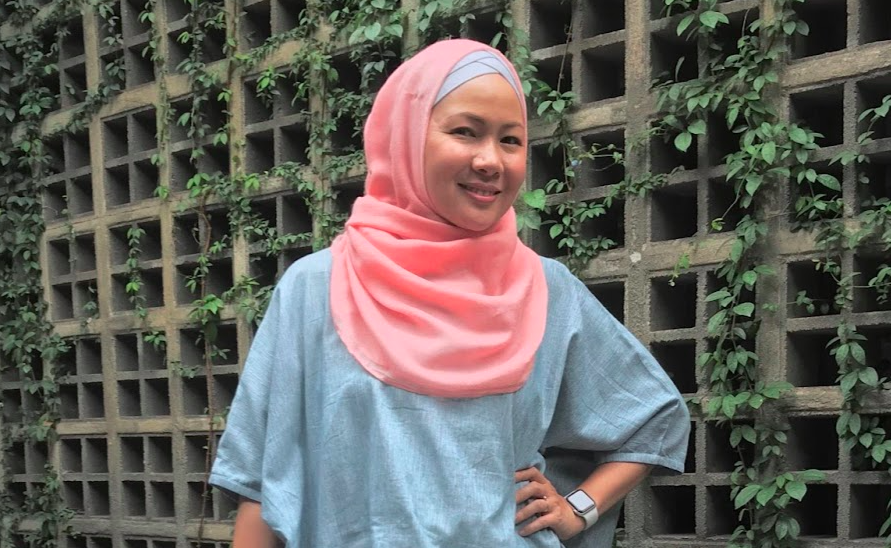
Former news anchor turned digital content creator Sheahnee Iman Lee shares that the creative/entertainment scene has been tough for those freelancing or owning businesses in TV, film and commercial production.
“Those who have stable jobs at TV stations are fortunate as many roles came under ‘essential business’ but for everyone else, external productions were not permitted to continue.
“TV hosts and actors who were able to pivot into virtual hosting and social media content found ways to survive while others honed their other talents and went into the home-based food delivery business.
“For production companies, complying with RTK-Ag testing and maintaining SOPs add up to a huge cost that has not been given sufficient consideration by the authorities upon implementation. It would be good to have some subsidies on these,” she said.
“Tax incentives and rebates of any kind would be helpful to get us back on our feet. Retrospective moratoriums may also help give us some additional grace period to recover financially and pay back our home and car loans.”
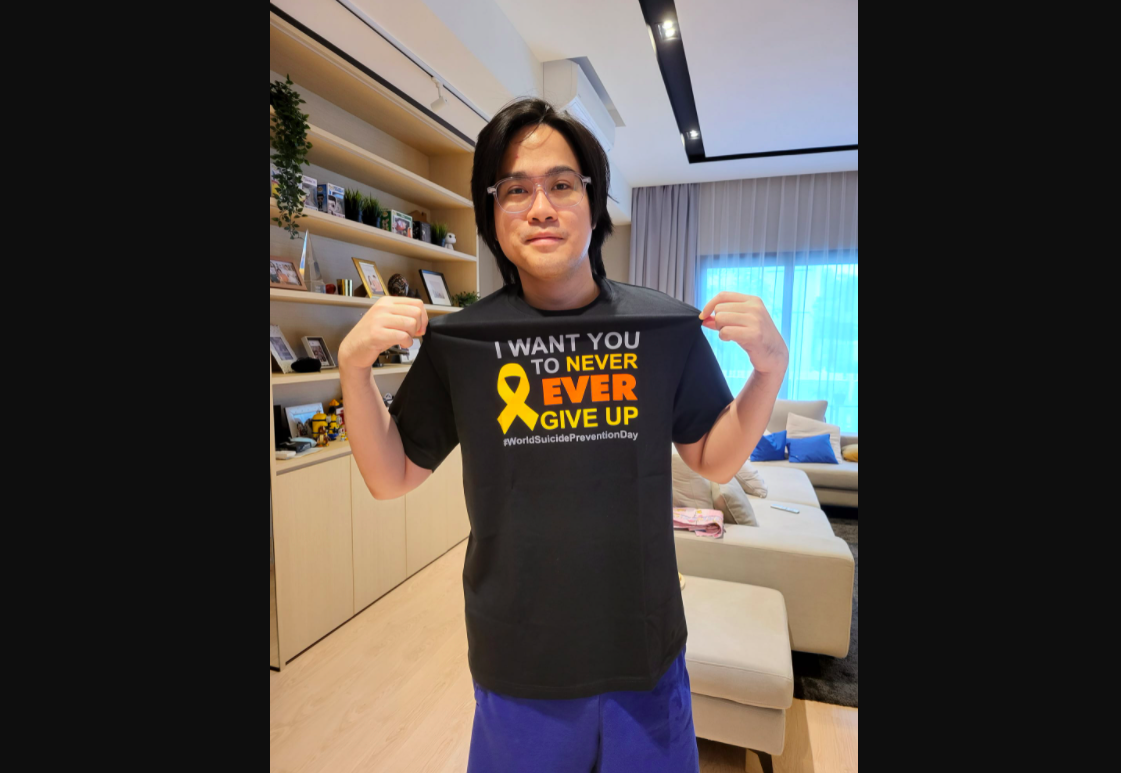
Content creator Jin Lim of JinnyBoyTV said more funds should be pumped into the creative sector to help those interested to learn the skills involved in content creation.
“There is a whole new generation of content creators, some of them only limited to using their mobile phones because of the high price point when it comes to filmmaking.
“An incubation fund, whereby people can come in and pitch their ideas to make pilots and who knows these ideas can be sold internationally.”
Budgetmakers must consider creative industry’s well-being
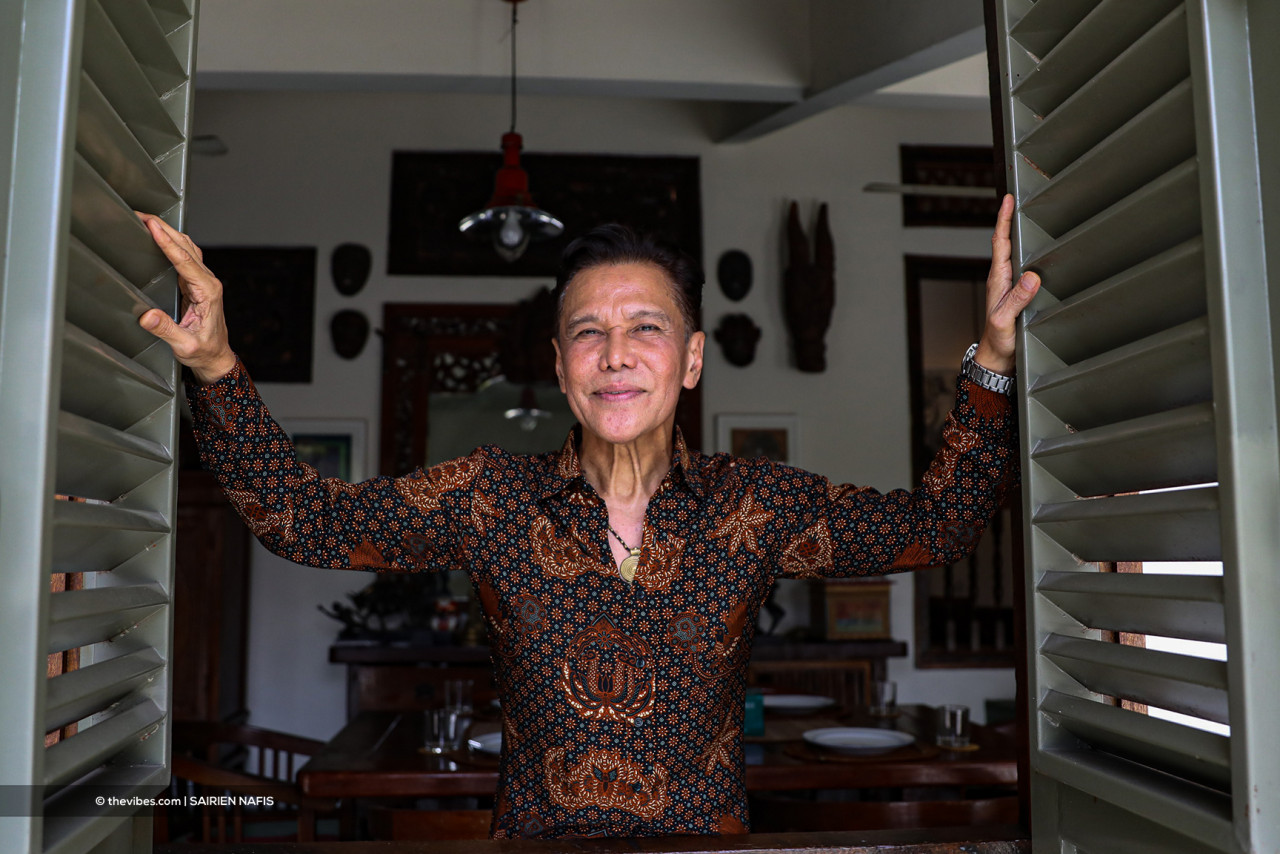
“If you really want to help creatives, establish an environment that we can thrive in that does not put us at the expense of handouts,” said veteran singer Datuk Zainal Abidin.
“Messaging is more about party and politicians, not necessarily about the practitioners. If we were to factor in the tourism perspective, the branding of our creative assets is outdated, which at times make outsiders think that we still live in the trees.
“Why are we not able to emphasise on the modernity of things as well. Having a broad spectrum of the arts, I’m talking about equal representation.
“Going back to the budget, it needs to be more forward-looking at improving the industry foundation, messaging and transparency in management of funds (via a comprehensive report) where practitioners who are at the forefront of their beat benefit directly.”
Will the government’s budget presentation be able to meet the mark set out by practitioners? – The Vibes, October 29, 2021
_-_Azim_Rahman46.jpg)