
KUALA LUMPUR – Over the past year, many aspects of life in Malaysia have altered significantly due to new policies, restrictions, and costs – some of which were brought about by the Covid-19 pandemic.
One important, and often neglected, segment of the Malaysian population that has been deeply impacted by them is the expatriate community.
Certain incidents and policies have affected them so gravely that a survey released in May – which gave high marks on how expatriates felt about living in Malaysia – may well have a different outcome, if it were done now as the year draws to a close.
The Expat Insider 2021 report by InterNations had ranked Malaysia as the fourth-best destination for expatriates out of a list of 59 countries. Malaysia was among the top 10 with two other Asian nations – Vietnam was ranked 10th, and Taiwan, first.
The survey’s findings had taken into account feedback from 12,420 expatriates based on aspects such as quality of life, cost of living, safety, personal finance, ease of settling in, and working abroad at the locations.
Had they been asked the same questions today, the responses would surely have been far different.
Expatriates have seen numerous hardships including rising costs, restrictions on re-entering Malaysia, and the curtailing of movements – mainly due to the pandemic.
When contacted, long-time expatriate Maggie Territt pointed to the government’s constant changes in rules related to the Malaysia My Second Home (MM2H) programme that have affected expatriates negatively.
“They made the new conditions of MM2H extremely difficult for most people to comply with.”
Territt – who is also president of the Penang Irish Association – said the frequent policy changes have caused a lot of difficulties, besides a loss of confidence.
“So many people in the MM2H programme have left because they fear that the government doesn’t want them, and that they will change the rules every so often.
“So, it makes it impossible for them to stay,” she said.
An example of the changes made was when they had increased the required income needed by expatriates. She said the increase was too much, and that it is hard for individuals to afford it.
The government had demanded the minimum monthly offshore income to be increased from RM10,000 to RM40,000 per month for new pass holders, as well as existing ones who wish to stay on.
In October – following strong criticisms – Putrajaya backed down from the 10 new regulations initially imposed on MM2H pass holders, and announced that they now need to comply with only two conditions.
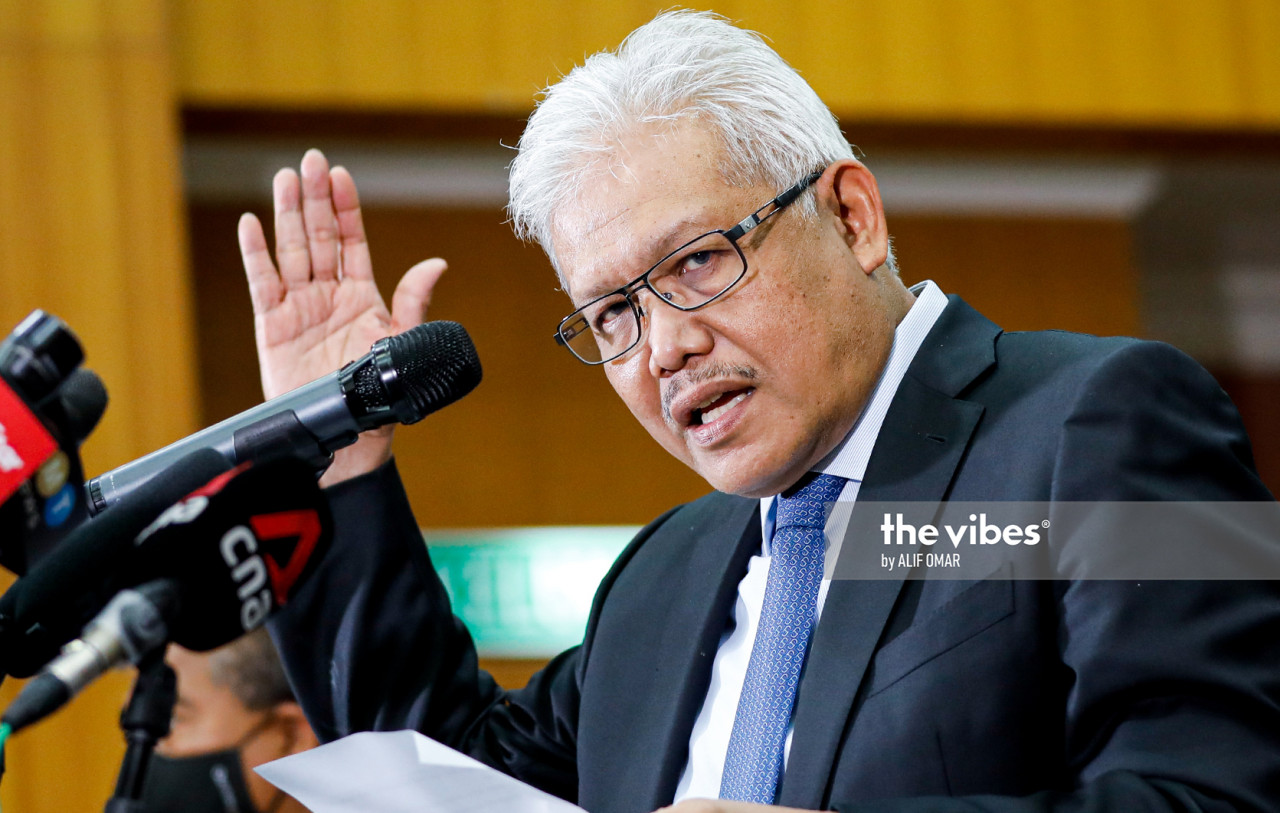
Home Minister Datuk Seri Hamzah Zainudin said existing pass holders will have to comply with the fee increase from RM90 to RM500, and the requirement for them to stay in the country for a minimum of 90 days a year.
Inconsistent govt policies lead to loss of trust
An Indonesian expatriate – who wished to remain anonymous – commented that she is not likely to stay on if the government continues to be disrespectful towards the community and inconsistent in its policies.
“I am willing to stay until my period is finished three years from now,” said the expatriate, who has been living in Malaysia for almost 10 years.
But after three years, if they ask me to pay more under new rules, I think I may move back to my country.”
The expatriate said it would be difficult to adhere to the new regulations as she is now retired, and would have trouble forking up the huge sum of money.
There is, however, a very vibrant and close-knit kinship among most expatriates in Malaysian cities.
Territt said there is a good sense of community and feeling of family built around her circles.
Other factors that have changed in Malaysia are rather global in nature.
For example, the recent hikes in prices of goods have caused much unease and inconvenience to those residing in Malaysia. However, this phenomenon has hit other parts of the world as well.
“I think everywhere in the world, not only Malaysia, (prices) are going up. Everywhere,” said Territt.
“After Covid-19, the price of every single thing is going up. Even in my country,” the Indonesian expatriate added.
The InterNations report had conveyed expatriates’ appreciation for the low cost of living. It also stated that the quality of life in Malaysia had caught their interest, as most of them were satisfied with their activities and lives in the country.
According to the expatriates surveyed, they found it easy to settle in Malaysia, and that it was easy to make friends with locals and other expats in the country as well.
“When it comes to their social circles, 64% of expats in Malaysia describe their friends and acquaintances as a mixed group of expats and locals,” the report said.
Despite the pandemic, an expatriate from France – who only wishes to be known as Valerie – still agrees with this statement.
“The pandemic definitely put a hold on most activities. We learned to socialise differently (through online meetings and activities).
“I’m still enjoying my walks on the beach during the week,” she said. – The Vibes, December 24, 2021






.jpeg)