WE are continuing with our efforts to control the worrisome Delta variant of Covid-19. Given its high transmissibility, it will be hard to bring infections down to zero. Instead, we are adopting an aggressive ring-fencing strategy – casting a wide net to isolate contacts of infected persons and testing tens of thousands every day. The aim is to minimise the risk of large clusters forming.
But it has been 18 months since the pandemic started, and our people are battle-weary. All are asking when and how will the pandemic end?
Endemic Covid-19
The bad news is that Covid-19 may never go away. The good news is that it is possible to live normally with it in our midst. This means Covid-19 will very likely become endemic, but what does that mean?
It means that the virus will continue to mutate, and thereby survive in our community. One example of such an endemic disease is influenza. Every year, many people catch the flu. The overwhelming majority recover without needing to be hospitalised, with little or no medication. But a minority, especially the elderly and those with comorbidities, can get very ill and sometimes succumb to the flu.
In a large country, the number hospitalised from influenza can be huge. For example, in the United States, hundreds of thousands are hospitalised each year because of the flu, and tens of thousands die.
As the chances of falling very ill from influenza are very low, people live with it. They carry on with their daily activities even during the flu season, taking simple precautions or getting an annual flu jab.
We can work towards a similar outcome for Covid-19. We cannot eradicate it, but we can make pandemic into something much less threatening, like influenza, chickenpox or the hand, foot and mouth disease, and get on with our lives.
Doing so will be our priority in the coming months. We already have a broad plan.
Vaccination is key
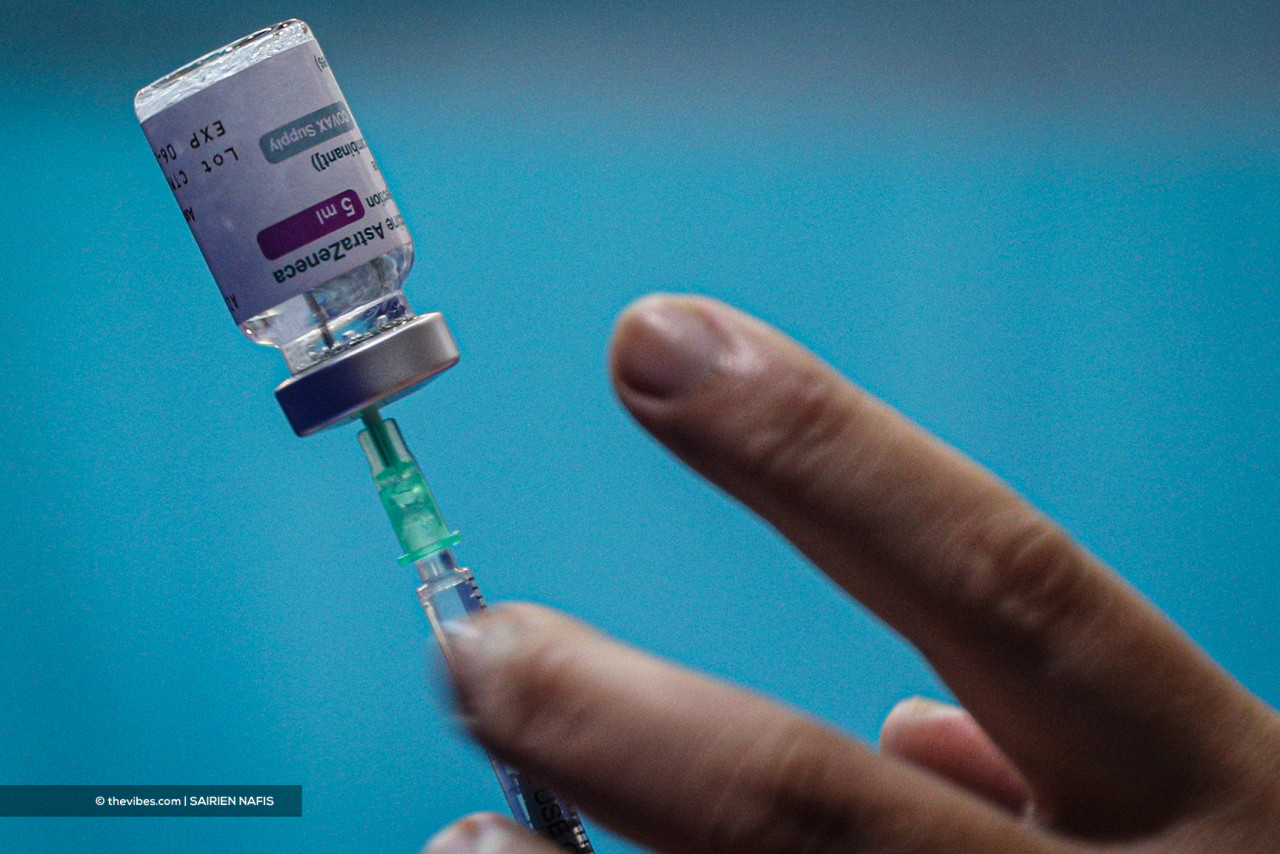
First, vaccination. During his broadcast on May 31, the prime minister said we aim to have two-thirds of our population to at least receive their first dose by early next month. We are on track to achieve that target. Our next milestone will be to have at least two-thirds of our population fully vaccinated around National Day, supply permitting.
We are working to bring forward the delivery of vaccines and speed up the process.
The evidence is clear: vaccines are highly effective in reducing the risk of infection and transmission. Even if you are infected, vaccines will help prevent severe Covid-19 symptoms.
Israel’s experience shows that the infection rate among vaccinated persons is 30 times less than that of the unvaccinated. The hospitalisation rate for the vaccinated is also lower by 10 times.
In Singapore, of the more than 120 individuals who are fully vaccinated but infected with Covid-19 – including some above-65s, and are not residents at hospitals or nursing homes – all exhibited no symptoms or mild symptoms. In contrast, about 8% of the unvaccinated developed serious symptoms.
To sustain a high level of protection and defend against new mutant strains resistant to current vaccines, booster shots may be needed in the future. We may have to sustain a comprehensive, multi-year immunisation programme.
Early evidence suggests that with vaccination, we can tame Covid-19. Again, the experience of Israel – which has vaccinated 60% of its population and is currently the highest vaccination rate in the world – is pertinent.
In Israel, across all age groups, the hospitalisation rate due to Covid-19 among those fully vaccinated is 0.3 per 100,000 persons daily, and the mortality rate is 0.1 per 100,000 persons.
In comparison, in 2018/19, the hospitalisation and mortality rates for influenza in the US were 0.4 and 0.03 per 100,000 persons daily, respectively. In a severe flu season, like in 2017/18, the rates were 0.67 and 0.05, respectively.
Essentially with a high rate of vaccination, Israel has brought the clinical outcomes of Covid-19 close to that of seasonal influenza in the US.
These are very promising outcomes.
Testing will be easier
Second, testing and surveillance will still be needed, but the focus will be different. We will still need rigorous testing at our borders to identify any person carrying the virus, especially variants of concern.
Domestically, testing will be less of a tool for ring-fencing and quarantining people exposed to infected persons. Instead, it will be to ensure events, social activities and overseas trips can take place safely, as well as to reduce transmission risks, especially to those who are vulnerable to infections.
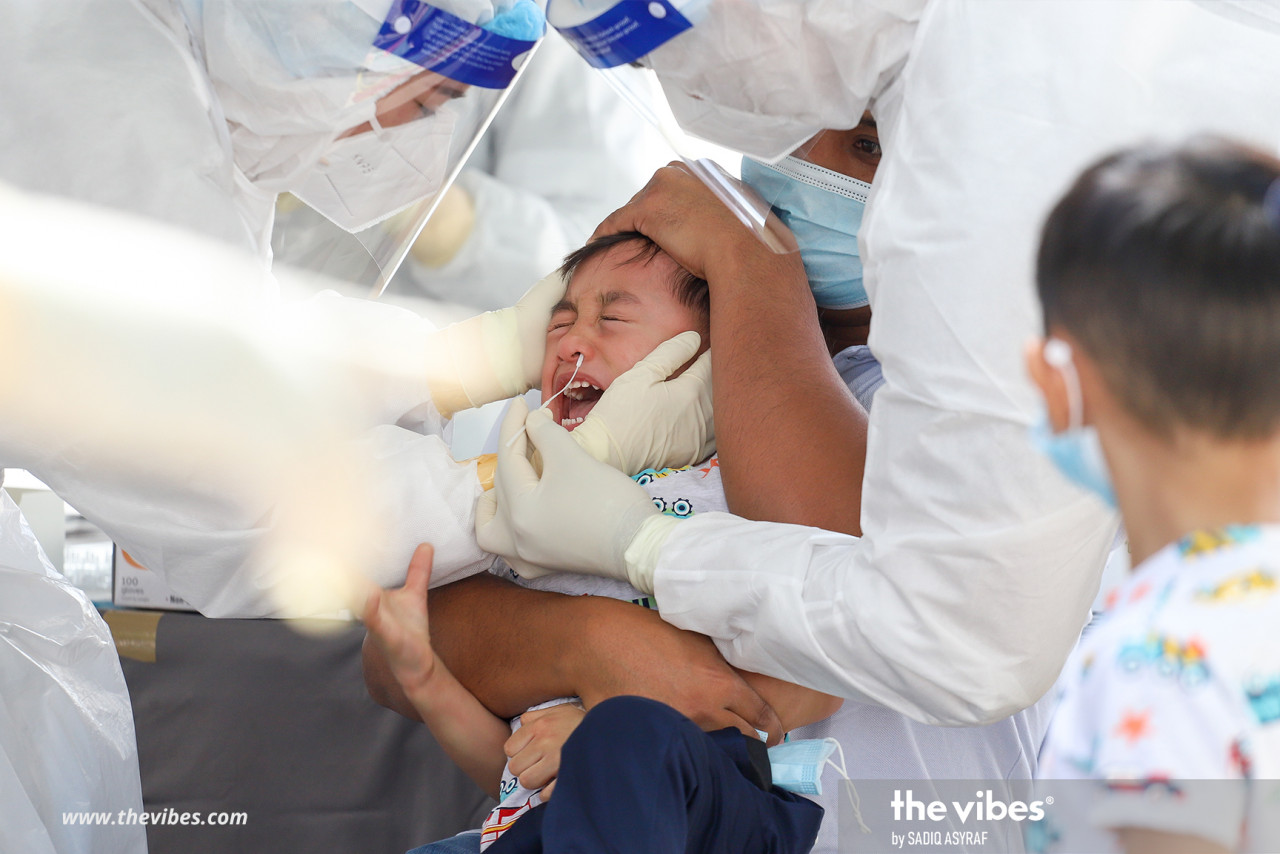
We cannot rely only on the polymerase chain reaction test, which can be uncomfortable and takes many hours to produce results. We need to make Covid-19 testing fast and easy. We have rolled out antigen rapid tests, including self-tests, to polyclinics, private clinics, employers, premises owners and pharmacies.
There are even faster test kits in the pipeline, such as breathalysers, that take about one to two minutes to produce the result and do not involve swabbing. In time, the airport, seaport, office buildings, malls, hospitals and educational institutions can use these kits to screen staff and visitors.
There is also wastewater testing, which is useful to find out if there are hidden infections in dormitories, hostels or housing estates.
Treatments will improve
Third, scientists around the world are working on treatments for Covid-19. Today, we already have a range of effective treatments, which is one reason why the coronavirus mortality rate in Singapore is among the lowest in the world.
Eighteen months after the pandemic started, we now have many therapeutic agents that are effective in treating the critically ill, quickening recovery, and reducing disease progression, severity and mortality.
The Health Ministry tracks these developments closely and ensures we have adequate supplies of these drugs. Our medical researchers also actively participate in the development of new treatments.
Social responsibility remains critical
Finally, whether we can live with Covid-19 depends also on Singaporeans’ acceptance that Covid-19 will be endemic and our collective behaviour.
If all of us practise good personal hygiene, we are less likely to be infected. If all of us are considerate to one another, staying away from crowds when we feel unwell, we will reduce transmission.
If all of us shoulder the burden together – workers keeping their colleagues safe by staying at home when ill, and employers not blaming them – our society will be so much safer.

Towards a new normal
With vaccination, testing, treatment and social responsibility, it may mean that in the near future, when someone gets Covid-19, our response can be very different from now.
The new norm can perhaps look like this:
First, an infected person can recover at home because with vaccination, the symptoms will be mostly mild. With others around the infected person also vaccinated, the risk of transmission will be low. We will worry less about the healthcare system being overwhelmed.
Second, there may not be a need to conduct massive contact tracing and quarantining of people each time we discover an infection. People can get themselves tested regularly using a variety of fast and easy tests. If positive, they can isolate themselves.
Third, instead of monitoring Covid-19 infection numbers every day, we will focus on the outcomes: how many falls very sick, how many are in the intensive care unit, how many needs to be intubated, and so on. This is like how we now monitor influenza.
Fourth, we can progressively ease our safe management rules, and resume large gatherings and major events, like the National Day parade or New Year countdown. Businesses will have certainty that their operations will not be disrupted.
Fifth, we will be able to travel again, at least to countries that have controlled the virus and turned it into an endemic norm. We will recognise each other’s vaccination certificates. Travellers, especially those vaccinated, can get themselves tested before departure and be exempted from quarantine with a negative test upon arrival.
We are drawing up a road map to transit to this new normal, in tandem with the achievement of our vaccination milestones, though we know the battle against Covid-19 will continue to be fraught with uncertainty.
In the meantime, we still need to take the necessary precautions and safeguards, to keep infections and hospitalisations at bay.
History has shown that every pandemic will run its course. We must harness all our energy, resources and creativity to transit as quickly as we can to the desired end-state.
Science and human ingenuity will eventually prevail over Covid-19. Cohesion and social consciousness will get us there faster. We must all do our part. – The Vibes, June 26, 2021
Trade and Industry Minister Gan Kim Yong, Finance Minister Lawrence Wong and Health Minister Ong Ye Kung are co-chairs of the Covid-19 multi-ministry task force in Singapore. This article appeared in The Straits Times, Singapore, on June 24, 2021



.jpg)