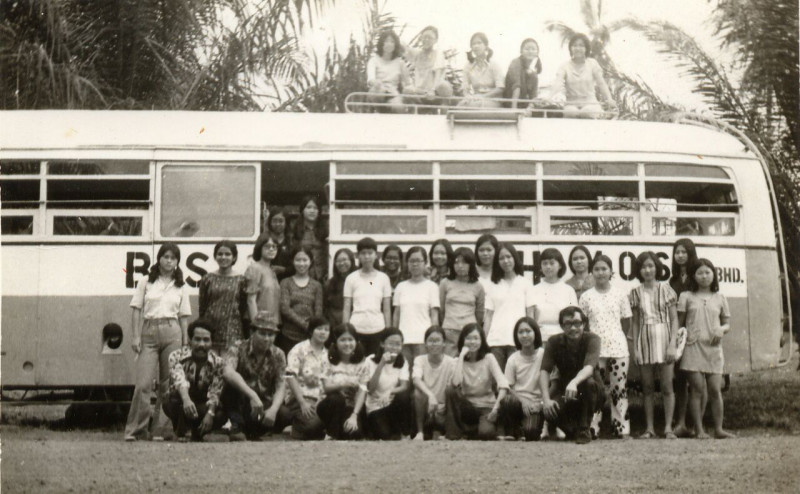
THE little girls must be sought out and no matter what surroundings you find them in, become one with them, said Nicholas Barre, founder of the Sisters of the Holy Infant Jesus.
When I first stepped into the Convent of the Holy Infant Jesus (CHIJ) in Melaka, I was an impressionable 6-year-old, and my class teacher, Mrs Morais smiled at me benignly from beneath her glasses.
Thus began my foray into a completely new world, where order and discipline are the hallmarks of my 12-year sojourn at CHIJ. Little did I know, every class teacher’s approach is different.
This year marks the 161st anniversary of the founding of CHIJ Melaka, as the school started in 1860 helmed by French principal Mathilde Raclot. She enrolled 15 pupils, housed in an attap structure in Jalan Bandar Hilir next to the sea.
Over time, the school acquired a brick-and-mortar structure, which later included a secondary school across the road as well as a chapel that became a part of the primary school.
My parents felt the convent was the best choice for my education, together with my sisters. This was due to CHIJ’s track record of producing students with good academic results.
Although buzzwords such as soft skills, marketability, innovation and creativity were unknown to us, the nuns had a multifaceted curriculum. While many hated the sewing classes, they confessed later to their usefulness.
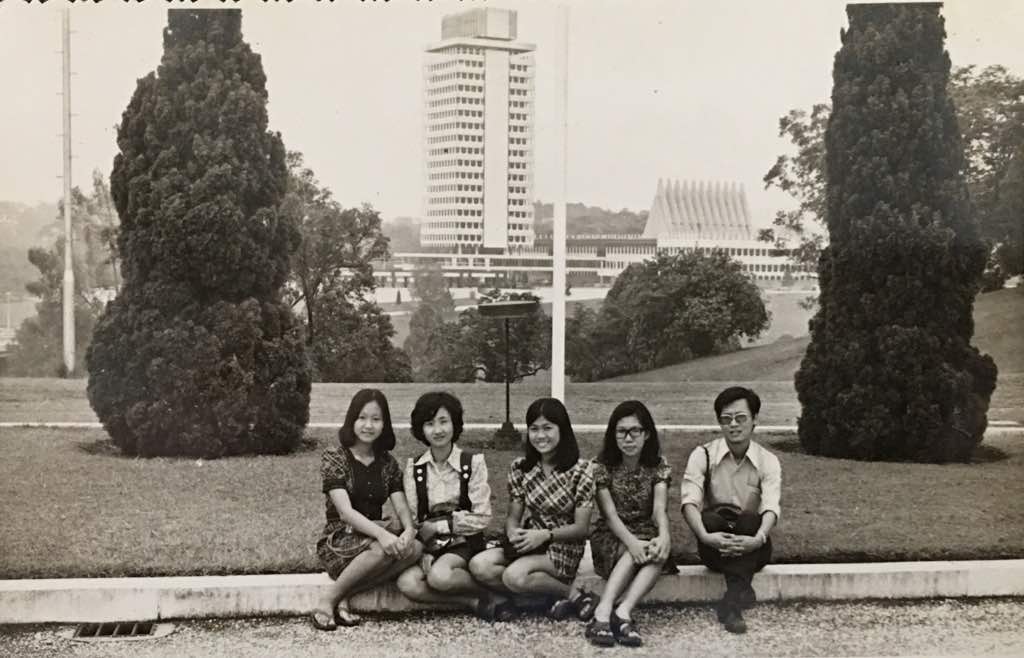
We also had sports days, annual concerts, funfairs, debates, outings to the beach nearby and even girl guides.
Our CHIJ annual concerts were not to be missed. It was a time of great excitement with improvised costumes, wigs and even moustaches.
We learnt teamwork as we managed wardrobes, backdrops and music. Laughter was also the order of the day, as wigs fell and swords broke unexpectedly during performances.
Sports day was taken seriously, and those picked to participate had long practice sessions, where winning for their houses – blue, yellow, green or red – meant glory.
Entrepreneurship was born out of funfairs and fundraising. I still remember baking a cake that resembled a book and happily handing over the sale profits to the class teacher. There was joy in contributing to a good cause and being charitable when needed.
Of course, the nuns were no pushovers. Sometimes, they did come across as bossy, pushy and even downright nasty to the students. Those who didn’t complete their homework had to endure the humiliation of sitting cross-legged outside their classrooms while finishing it up.
Some had to stand on their chairs as punishment and the indignity made many mend their ways and hand in their homework on time.

As I think back to those times, I realised that, not only did we learn the value of discipline, but the importance of keeping to deadlines.
The teachers and the nuns seemed to know everything about each student, especially problems faced by students from poor families. Often, fees were waived and books provided to them.
That by far was the greatest gift – the ability to understand and accommodate the poorer members of our community and provide support in whatever way possible. Many of us passed down our books to be reused.
When the class of 1975 met for our 60th anniversary a few years ago, many of them had settled overseas but the spirit of our alma mater continued to resonate as we mingled with each other.
I was amazed at how many had gone overseas and flourished, many pursuing higher education while working day jobs. Their ambition to do more came from the empowerment that we all felt as convent girls.
As we exchanged notes, we agreed that our convent experience has shaped the way we meet life challenges and have come out better for them. – The Vibes, September 13, 2021
Dharshini Ganeson is a reporter with The Vibes