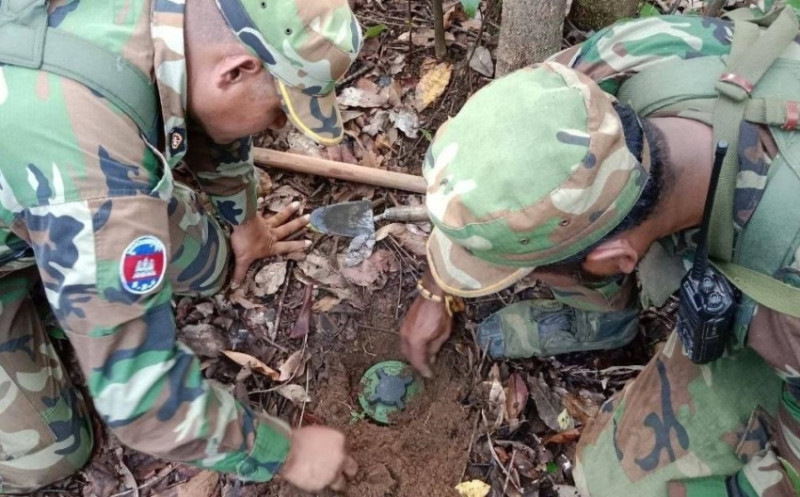
THE Royal Thai Army has accused Cambodia of repeatedly breaching a ceasefire agreement and violating the Ottawa Convention by planting anti-personnel landmines within Thai territory, following a recent incident in which Private Adisorn Pomklang lost his right lower leg after stepping on a landmine near the Ta Kwai temple in Surin province.
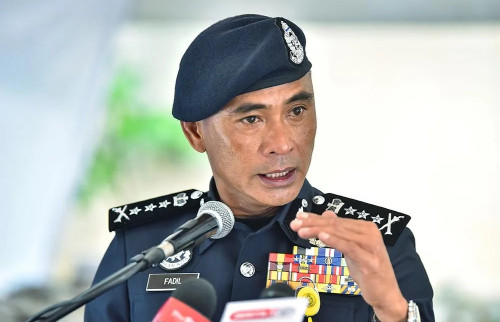
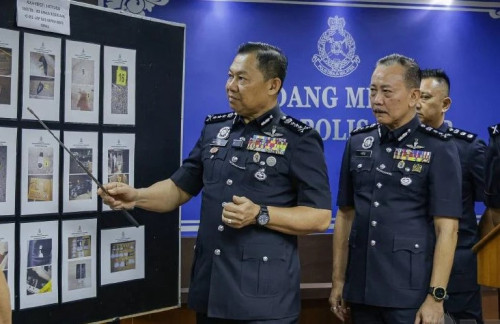
This marks the sixth such incident over two years, and the third since the ceasefire was established, according to Army chief spokesperson Major General Winthai Suvaree.
The Nation reported that he condemned the act as “deliberate… with malicious intent,” and a serious obstacle to bilateral peace efforts.
Major General Winthai warned that, should these violations persist, Thailand may be compelled to invoke its right of self‑defence under international law.
He reiterated that Thailand had consistently adhered to peaceful protocols and was not the instigator of recent confrontations
Cambodia has firmly denied the allegations, asserting that it upholds its commitments under the Ottawa Convention and has never deployed new landmines. Cambodian authorities instead point to longstanding remnants of wartime ordnance as possible causes.
The latest incident intensifies concerns over the fragile ceasefire there and underscores mounting tensions along the contentious border. Efforts for de-escalation via General Border Committee mechanisms now face renewed strain.
In Phnom Penh, Cambodia’s Ministry of Foreign Affairs and International Cooperation has submitted a formal diplomatic protest to Thailand following repeated incursions by Thai military forces into Cambodian border areas, including attempts to install barbed wire, barricades, and vehicle tyres in villages near the shared frontier.
Khmer Times reported that spokesperson Chum Sounry revealed that Thai troops made unilateral attempts on 12 and 13 August to encroach upon territory in Chouk Chey and Prey Chan villages of O’Beichoan commune, Banteay Meanchey province.
Further attempts were made on 14 August near the Boeung Trakuon border checkpoint—a move thwarted by the presence of local residents and observers.
Cambodia condemned these actions as contrary to the ceasefire agreement signed on 28 July and in violation of international accords governing border conduct
The Ministry emphasised that such actions undermined the 2000 Memorandum of Understanding and the authority of the Joint Border Commission (JBC), as well as contravening provisions of the United Nations Charter, ASEAN Charter, and the Treaty of Amity and Cooperation in Southeast Asia
“Despite expressing its commitment to peaceful, law-based resolution of boundary disputes, Cambodia insisted that “the border cannot be altered through force.” Chum Sounry said.
The growing diplomatic tension follows months of escalating conflict—including mine explosions, troop skirmishes, and reciprocal withdrawals of ambassadors by both nations. - August 28, 2025