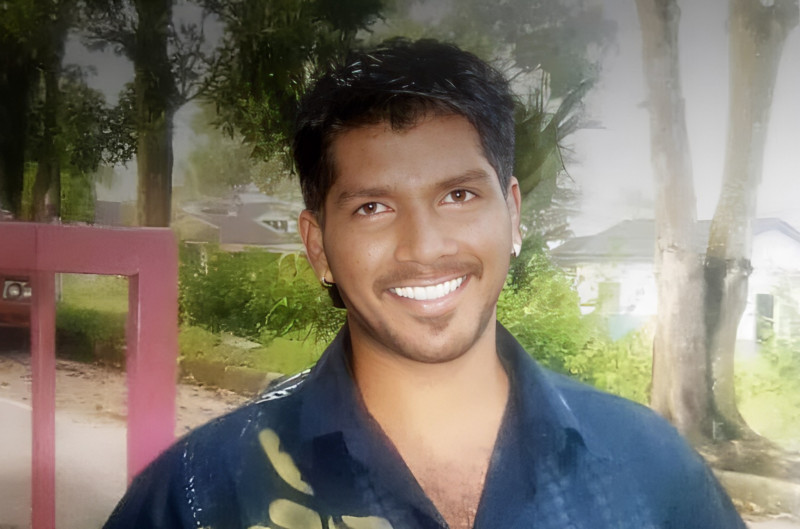
THE planned execution of Malaysian death row inmate K. Datchinamurthy has been suspended by Singaporean authorities, with a stay of execution issued just hours before he was due to be hanged at dawn on Thursday.
The 39-year-old, who was convicted in 2011 of trafficking nearly 45 grams of diamorphine into Singapore, was sentenced to death in 2015. His family was informed of the suspension shortly after midnight via a phone call from prison officials.
According to his lawyer, N. Surendran, the development comes as Datchinamurthy remains involved in ongoing legal proceedings that have yet to be resolved.
“We have no further information at this point,” Surendran told *Bernama*. “We are praying for the best outcome.”
It is understood the execution was halted because certain legal matters linked to Datchinamurthy are still active before the courts.
While authorities have not released a formal explanation, the move appears to echo a similar stay granted in 2022, when Singapore’s High Court intervened to allow a judicial review tied to the inmate’s civil suit over alleged breaches of prisoners’ rights, including the improper handling of privileged legal correspondence.
The decision to halt the execution has once again drawn attention to Singapore’s strict anti-drug laws, and the ongoing scrutiny they face from international human rights bodies.
Datchinamurthy is one of four Malaysian nationals whose death sentences in Singapore have come under renewed focus following the controversial 2022 execution of Nagaenthran K. Dharmalingam, a fellow Malaysian whose case sparked global outrage due to concerns over his intellectual capacity.
Alongside Datchinamurthy, Malaysians S. Saminathan, R. Lingkesvaran, and Pannir Selvam Pranthaman also face imminent execution after exhausting their legal avenues. Human rights organisations have criticised the Singaporean government for what they see as a lack of transparency and compassion in death penalty cases, particularly where questions of due process and mental health are concerned.
The United Nations and Amnesty International have repeatedly urged Singapore to halt executions, particularly for non-violent drug offences, arguing that such punishment is disproportionate and violates international human rights norms.
Singapore has maintained that the death penalty remains a necessary deterrent to drug trafficking.
At the time of writing, no new execution date has been announced for Datchinamurthy. - September 25, 2025