ESCALATION deepens with missile strikes, rising casualties and mounting fears over disruption to key maritime routes and global markets
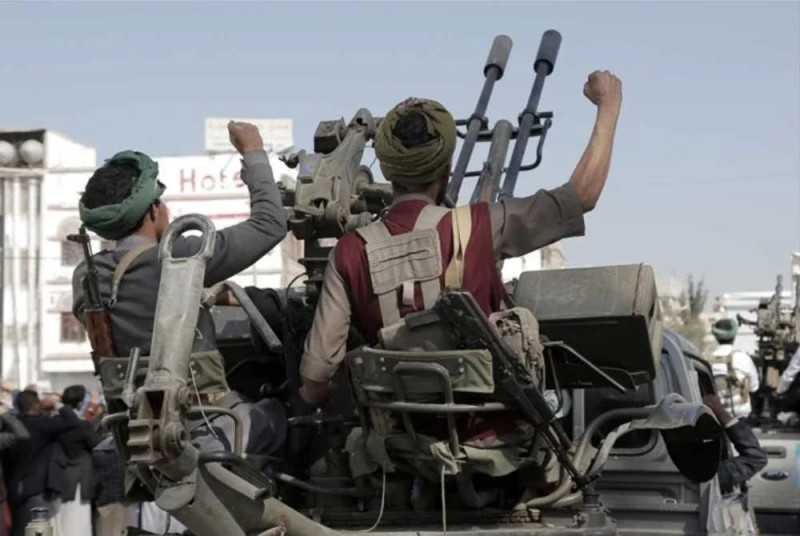
The conflict in the Middle East has widened significantly after Iran-backed Houthi rebels entered the war, launching missiles towards Israel and raising fresh concerns over global shipping routes and energy supplies.
AP reported on Sunday that the escalation comes as the United States bolsters its military presence in the region, with approximately 2,500 Marines deployed, while diplomatic efforts intensify ahead of high-level talks in Pakistan aimed at halting the fighting.
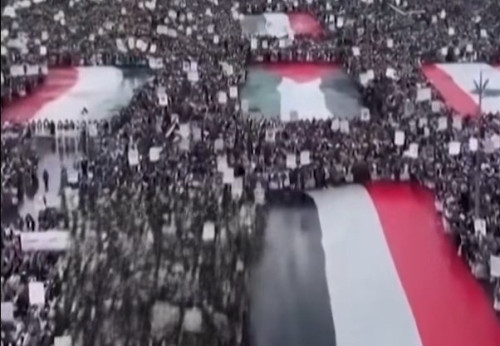
The Houthis’ involvement marks a critical turning point, with the group claiming responsibility for missile strikes targeting “sensitive Israeli military sites” in the south.
Analysts warn that any renewed attacks on commercial vessels in the Bab el-Mandeb Strait could disrupt a vital maritime corridor through which around 12 per cent of global trade passes.
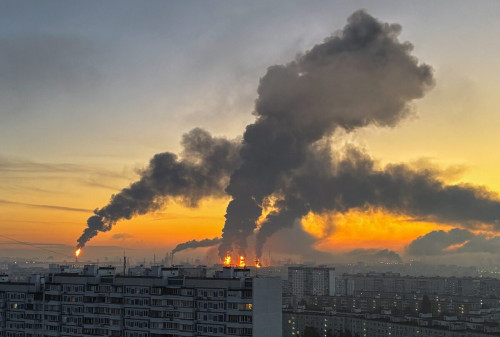
The conflict has already destabilised global markets, with Iran’s control over the Strait of Hormuz threatening oil and gas supplies, driving up prices and contributing to shortages in key commodities such as fertiliser.
Air travel across the region has also been severely affected.
Despite mounting tensions, there are tentative signs of limited relief after Iran agreed to allow humanitarian and agricultural shipments to pass through the strategic waterway following a request from the United Nations.
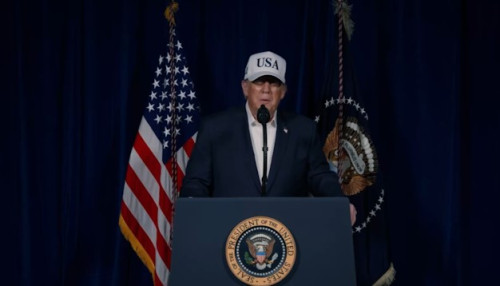
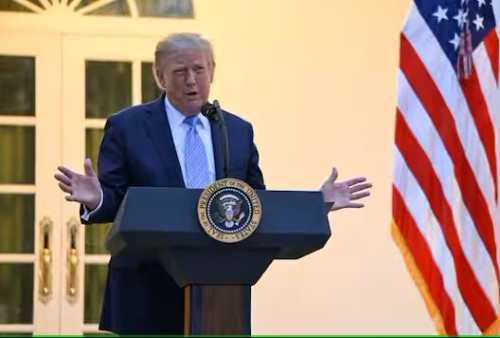
However, US President Donald Trump has issued a deadline of April 6 for Tehran to fully reopen the strait.
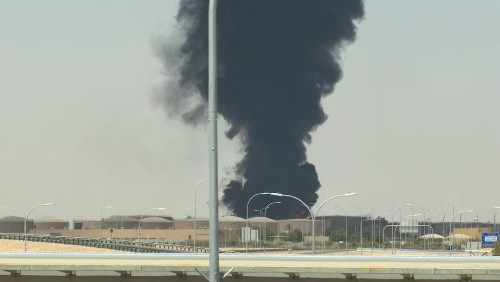
Meanwhile, hostilities on the ground and in the air continue unabated. Israeli and U.S. forces have intensified strikes on Iranian targets, with Washington claiming to have hit more than 11,000 sites inside Iran.
Tehran has responded with missile and drone attacks targeting Israel and Gulf states, many of which have been intercepted by air defence systems.
In a further escalation, Iran’s Islamic Revolutionary Guard Corps warned that Israeli universities and branches of American institutions in the region could be considered “legitimate targets” unless assurances are given for the safety of Iranian academic facilities.
“If the U.S. government wants its universities in the region spared, it should condemn the bombardment of (Iranian) universities by 12 o’clock Monday, March 30, in an official statement,” the Guard said.
Casualties continue to mount across multiple fronts.
More than 3,000 people have been killed since the conflict began, including over 1,900 in Iran and 19 in Israel.
In Lebanon, where Israeli operations against Hezbollah have intensified, more than 1,100 people have died, while additional fatalities have been reported in Iraq, the Gulf states and the occupied West Bank.
The humanitarian toll has also worsened in Gaza, where Israeli strikes reportedly killed six Palestinians, including three policemen, in separate incidents in Khan Younis.
Diplomatic activity is gathering momentum as regional powers seek to contain the crisis. Pakistan is hosting talks involving Egypt, Turkey and Saudi Arabia, with efforts focused on establishing a “direct dialogue” between Washington and Tehran.
At the same time, the United States has reinforced its presence with additional forces, including paratroopers from the 82nd Airborne Division, as tensions persist over the possibility of further escalation.
Despite this, U.S. Secretary of State Marco Rubio maintained that Washington “can achieve all of our objectives without ground troops.”
The widening conflict now threatens not only regional stability but also global economic security, as the involvement of new actors and continued military escalation increase the risk of prolonged disruption across critical supply chains and international shipping lanes. - March 29, 2026