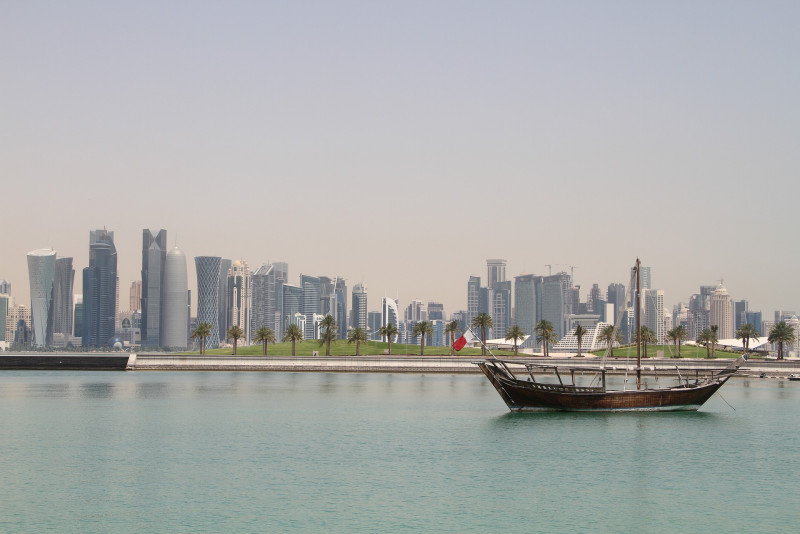
DOHA – A bitter feud between Qatar and a Saudi-led alliance may finally be nearing its end, as Gulf Arab leaders prepare to meet on Tuesday.
Here is a look back on the dispute that has divided the region for 3½ years, setting key Western allies at odds.
Ultimatum to Doha
On May 24, 2017, a statement attributed to Qatar’s ruler appears on the state news agency’s website, apparently endorsing Islamist movements and criticising United States President Donald Trump.
Qatar says the site has been hacked and that the statement is fake, but it is picked up and published by regional media.
On June 5, Saudi Arabia and its allies Bahrain, Egypt and the United Arab Emirates abruptly cut all air links, land crossings, direct shipping, and diplomatic ties with their neighbour.
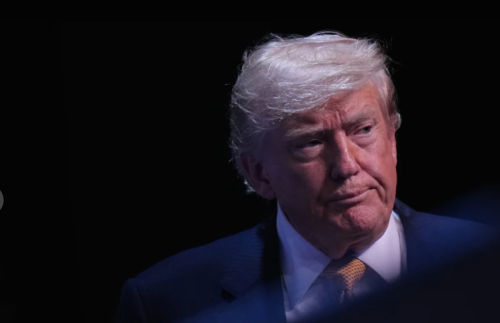
A day later, Trump wades in and tweets that during his recent visit to the region, a number of Middle East leaders “pointed to Qatar” for allegedly supporting “radical ideology”.
Later that month, the Saudi-led coalition issues 13 sweeping demands, including the closure of the Doha-based Al Jazeera news network and the shuttering of a Turkish military base, in return for lifting their boycott.
They also demand Doha curb its relations with Riyadh’s arch-rival, Iran.
Qatar rejects the demands, calling them “unrealistic” and “not actionable”.
The schism complicates regional travel, divides families, and raises costs faced by Qatari businesses.
The anti-Doha alliance doubles down, issuing in late July 2017 a list of 18 allegedly extremist individuals and entities, while demanding that Qatar take action against them. It later expands the list to 90 names.
Game of two halves
In August 2017, satellite channel beoutQ begins broadcasting events, including top-flight football, to Saudi audiences.
Qatar-based sporting broadcaster beIN accuses Saudi Arabia of pirating its production.
Throughout 2018, Qatar and the UAE trade accusations over access to airspace, in a row that ends up at the International Court of Justice (ICJ).
The following year sees the UAE hosting the Asian Cup football tournament. Qatar wins, but the stands are empty of the country’s fans, who have been barred from entering the UAE. One British attendee wearing Qatari colours is arrested.
Trump strikes a more conciliatory tone when Qatar’s ruler, Emir Sheikh Tamim Hamad Al-Thani, visits Washington in April 2019, calling him “a friend”.
Back on the football field, Saudi Arabia, the UAE and Bahrain reverse a decision to boycott a regional tournament in Qatar, with Bahrain going on to lift the trophy on December 8, 2019.
Just two years before, the same nations had refused to play another edition of the tournament in Qatar until it was moved to neutral Kuwait, so the teams’ presence raises hopes of imminent reconciliation.
As the tournament gets under way, Qatar’s foreign minister says there has been “some progress” in talks with Saudi Arabia.
More details emerge of mediation efforts by neutral Gulf nations Kuwait and Oman.
‘Doubts’ over GCC
But in December 2019, Qatar’s emir declines an invitation by Saudi Arabia to attend a Gulf Cooperation Council (GCC) summit in Riyadh, instead sending then prime minister Abdullah Nasser Khalifa Al-Thani.
In February last year, Qatar’s foreign minister reveals that talks with Saudi Arabia were suspended a month earlier, but says Doha “remains open if there are any benign efforts to resolve the issue”.
In the weeks leading up to the anniversary of the rift, a flurry of posts aimed at Qatar surface on social media, including claims it is considering quitting GCC.
On May 28, Qatar’s Foreign Ministry denies the claims to AFP, but warns that the people of the region are “doubting” the bloc because of its failure to remedy the diplomatic crisis.
Setbacks for Saudi camp
On June 16, a World Trade Organisation panel rules that Riyadh failed to protect the intellectual property rights of Qatari broadcaster beIN by refusing to take action against pirate outfit beoutQ.
On July 14, the United Nations top court, ICJ, finds in favour of Qatar in its complaint against the air blockade imposed by Saudi Arabia and its allies.
New talk of deal
On December 4, Saudi Foreign Minister Prince Faisal Farhan Al-Saud says a “final agreement looks in reach”.
Qatari Foreign Minister Sheikh Mohammed Abdulrahman Al-Thani says “there are some movements that we hope will put an end (to) this crisis”.
On December 30, GCC announces that King Salman has invited the Qatari emir to its summit in Riyadh on January 5 this year. – AFP, January 3, 2021







.jpg)