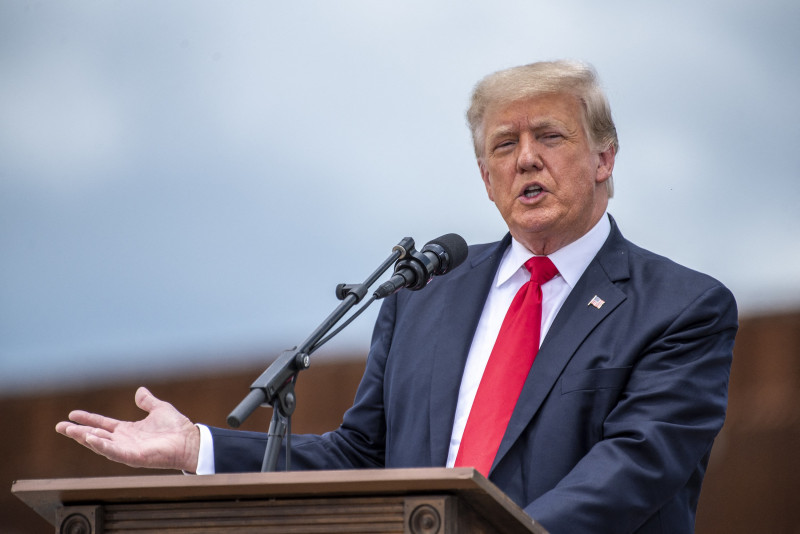
WASHINGTON has dismissed a new Iranian proposal to end the two-month conflict, with US President Donald Trump insisting that Tehran’s nuclear programme must be addressed at the outset rather than deferred until after hostilities cease, exposing a widening gulf between the two sides as global energy markets reel.
Reuters reported on Wednesday that the Iranian plan, conveyed through diplomatic channels over the weekend, would prioritise an immediate halt to fighting and the easing of maritime tensions, leaving the long-running nuclear dispute for later stages of negotiation.
However, the White House has signalled firm opposition, with Trump expressing frustration at any delay in tackling what he views as the central issue.
In a social media post, Trump claimed Tehran had privately indicated internal instability while seeking urgent relief from shipping restrictions in the Gulf.
“Iran has just informed us that they are in a 'State of Collapse'. They want us to 'Open the Hormuz Strait,' as soon as possible, as they try to figure out their leadership situation (Which I believe they will be able to do!).”
There was no immediate confirmation from Iranian officials regarding the communication referenced by Trump. Earlier, an Iranian army spokesperson told state media that the Islamic Republic did not consider the war over, underscoring the persistence of hostilities.
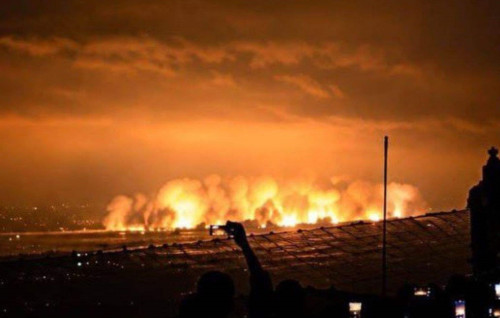
The conflict, which began on 28 February, has severely disrupted traffic through the Strait of Hormuz, a critical artery for global oil supplies.
Iran has largely restricted passage to its own vessels, while the United States has intensified countermeasures by blockading Iranian shipping, forcing several tankers to turn back in recent days.
Diplomatic momentum has faltered amid escalating military and political upheaval inside Iran.
The reported killing of Supreme Leader Ali Khamenei early in the war and the succession of his son, Mojtaba, have reshaped the country’s power structure, with analysts suggesting the Islamic Revolutionary Guard Corps has assumed a more dominant role in decision-making.
According to Iranian officials familiar with the proposal, Tehran envisages a phased process beginning with a binding end to the war and guarantees against renewed United States military action.
Subsequent steps would address the naval blockade and the future of the Strait of Hormuz, which Iran seeks to reopen under its control.
Only after these issues are settled would negotiations turn to the nuclear programme, including Tehran’s demand for recognition of its right to enrich uranium.
The approach echoes elements of the 2015 nuclear accord between Iran and world powers, from which Trump withdrew during his first term.
He now faces mounting domestic pressure to bring the conflict to a close, with polling indicating declining public approval amid concerns over the war and the cost of living.
Tensions have also surfaced with European allies. Trump criticised German Chancellor Friedrich Merz, stating he “doesn’t know what he’s talking about” after Merz questioned Washington’s strategy and accused Iran’s leadership of humiliating the United States.
Meanwhile, Britain’s King Charles told the United States Congress that despite disagreements, the transatlantic alliance would remain steadfast in defending democratic values.
Oil Prices Surge
Oil markets have responded sharply to the continued impasse, with Brent crude climbing towards US$111 a barrel.
Analysts warn that prolonged disruption could drive energy prices significantly higher into 2026. Shipping data indicate a dramatic drop in vessel movements through the Strait of Hormuz, with only a handful of ships transiting daily compared with more than a hundred before the war.
The economic fallout is compounded by new United States sanctions targeting dozens of entities and individuals accused of facilitating Iran’s sanctions evasion network.
Washington has also warned that any payments made to Iranian authorities or affiliated forces for passage through the strait would trigger severe penalties, further tightening pressure on Tehran as negotiations remain stalled. - April 29, 2026