THE financial burden of the United States’ military campaign against Iran has reached an estimated US$25 billion, according to the Pentagon’s first official accounting, as the conflict increasingly collides with domestic political and economic pressures ahead of crucial midterm elections.
Reuters, on Thursday, cited senior defence official, Jules Hurst, disclosing the figure during testimony before the House Armed Services Committee, stating that the bulk of the expenditure has been directed towards munitions.
However, questions remain over how the estimate was calculated and whether it includes longer-term costs such as rebuilding damaged military infrastructure across the Middle East.
The disclosure prompted a sharp response from Adam Smith, the committee’s top Democrat, who said: "I'm glad you answered that question. Because we've been asking for a hell of a long time, and no one's given us the number."
The US$25 billion figure is roughly equivalent to the annual budget of NASA, underscoring the scale of the military outlay. Yet its credibility has been questioned, particularly after earlier estimates suggested that the first six days of the war alone may have cost at least US$11.3 billion.
Defending the expenditure, Defence Secretary Pete Hegseth framed the cost as necessary to prevent Iran from acquiring nuclear weapons.
"What would you pay to ensure Iran does not get a nuclear bomb? What would you pay?" he told lawmakers, as he rejected criticism of the campaign.
Hegseth also pushed back forcefully against opponents of the war, saying: "You call it a quagmire, handing propaganda to our enemies? Shame on you for that statement," and criticised Congressional Democrats as "reckless, feckless, and defeatist."
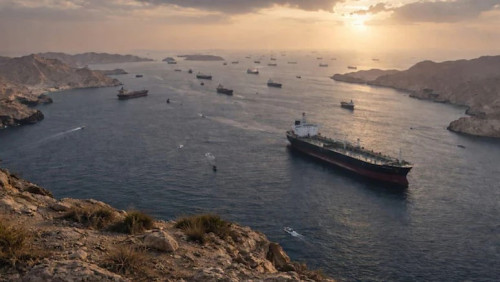
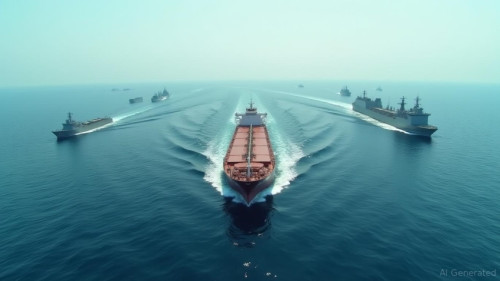
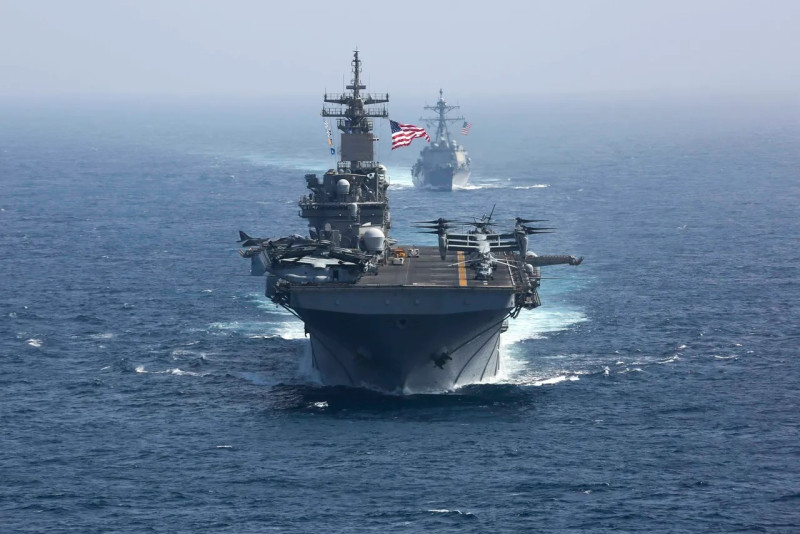
The conflict, which began on February 28 with US strikes against Iran, is currently under a fragile ceasefire. The Pentagon has since deployed tens of thousands of additional troops to the region, including maintaining three aircraft carriers in Middle Eastern waters. Thirteen American service members have been killed, with hundreds more wounded.
For the US, the war’s economic consequences are becoming increasingly pronounced.
Disruptions to global oil and gas supplies have driven up fuel prices, contributing to broader inflationary pressures that are weighing on voters.
Data from the American Automobile Association shows that average US petrol prices have climbed to their highest level in nearly four years.
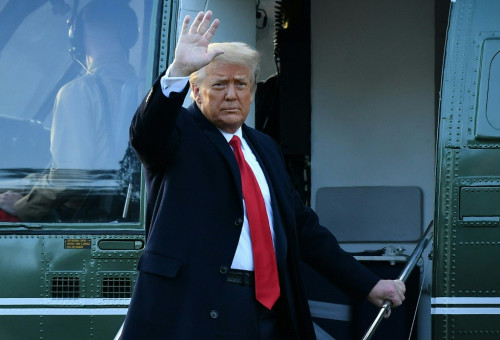
These developments are reshaping the political landscape as Donald Trump and his Republican Party prepare for midterm elections that will determine control of Congress.
Democrats have sought to capitalise on public dissatisfaction, linking the rising cost of living to the war.
Public opinion appears to be shifting.
A recent Reuters/Ipsos poll found that only 34 per cent of Americans approve of the US conflict with Iran, down from 36 per cent in mid-April and 38 per cent in mid-March, signalling waning support as the financial and human costs continue to mount. - April 30, 2026