World

EU countries agree on US$60 per barrel price cap for Russian oil by sea

Decision puts end to days of tough negotiations 

Updated 3 years ago · Published on 03 Dec 2022 11:00AM

EU countries agree on US$60 per barrel price cap for Russian oil by sea
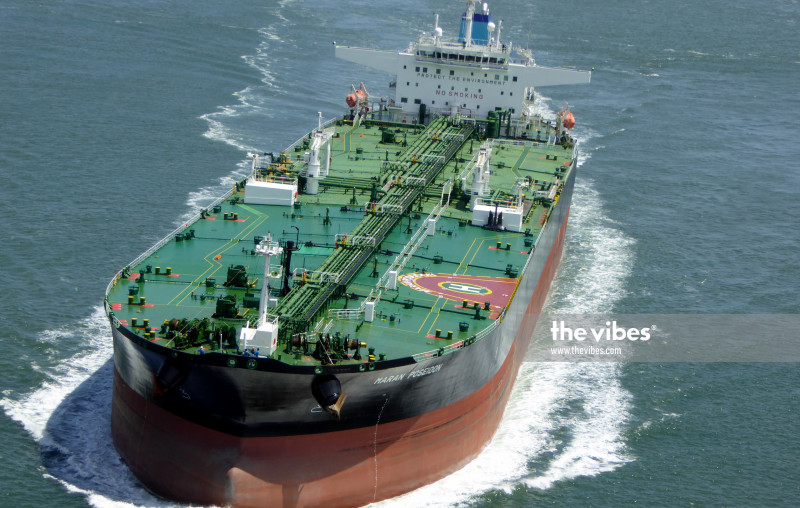
European Union member countries has agreed on a US$60 (RM263.25) per barrel price cap for Russian crude oil exports transported by sea, ending days of tough negotiations. – The Vibes file pic, December 3, 2022

ISTANBUL – European Union (EU) member countries on Friday agreed on a US$60 (RM263.25) per barrel price cap for Russian crude oil exports transported by sea, Anadolu Agency reported.

“Ambassadors have just reached an agreement on price cap for Russian seaborne oil. Written procedure follows, decision will enter into force on publication in the Official Journal. EU stays united and #StandWithUkraine,” the Czech Presidency of the Council of the European Union announced on Twitter.

The decision puts an end to days of tough negotiations among representatives of the 27-member bloc.

While Poland, Estonia, and Lithuania sought a lower price, Greece, Malta, and the Greek Cypriot administration – all of which earn money from transporting Russian oil – had pushed for a higher price.

The price cap aims to hit Moscow’s revenues from crude oil exports and sales as Russia's war on Ukraine approaches 2023, its second calendar year.

In addition, the agreement will ensure the Russian price cap is set at least 5% below the market price of crude oil, while it will be reviewed every two months.

As part of the deal, G7 countries will ban their shipping companies from facilitating Russian oil shipments if they are sold above the price cap of US$60 a barrel.

The agreement will go into effect on Monday when the EU will begin cutting off crude supplies from Russia by sea.

Russia is the world’s second-biggest crude oil exporter after Saudi Arabia, meeting around 10% of global crude demand.

European Commission President Ursula von der Leyen said the agreement, coordinated with G7 and others, will reduce Russia’s revenues significantly, and wrote on Twitter: “It will help us stabilise global energy prices, benefitting emerging economies around the world.” – Bernama, December 3, 2022
Related News

Education / 2mth

Zambry leads Malaysia delegation to Russia for bilateral cooperation talks

Opinion / 2mth

Wikipedia has become compromised by intelligence agencies and ideological capture

World / 2mth

Why Russia is expanding the Northern Sea Route

Malaysia / 2mth

Malaysia must prepare for the effects of the Gulf War

Opinion / 3mth

US attacks in the Gulf show the weaknesses of MOUs

Education / 3mth

Malaysia must embrace AI in education to avoid falling behind

Spotlight

Malaysia

Haze: Schools in Johor, Melaka, and Negeri Sembilan to close tomorrow

Malaysia

Tun Mahathir’s health improves, but not ready to leave hospital

Malaysia

LPT3 row puts Kelantan’s infrastructure priorities under scrutiny

Malaysia

Terengganu royal family member sues two banks over RM1.99m missing from savings

Malaysia

Irene Sofiya murder probe referred to Johor prosecutors for review

Malaysia

Teacher denies negligence charges over fatal school SUV crash in Kota Bharu

Malaysia

Sulaiman Md Ali opts out of Melaka polls, will not defend Lendu

You may be interested

World

Fresh magnitude-6 earthquake strikes Panama after deadly tremor

World

North Korea test-fires tactical ballistic missile amid rising regional tensions

World

Five Malaysians held in Tokyo over RM3.1m cocaine haul hidden in shoes

World

Indonesia rules out national disaster status for forest fires despite regional haze

World

Iran says US response on Hormuz Strait reopening proposal falls short

World

IMF warns AI sell-off; Soaring bond yields could trigger global market turmoil

World

Malaysia seeks China’s satellite technology to improve flood warnings, combat cross-border crime