TOKYO – Japan outlined plans today to drastically expand its defence capabilities over the next five years in response to threats from China and nuclear-armed North Korea.
Here are some of the key changes:
Counter-strike capacity
Defence spending will be ramped up to reach the Nato standard of 2% of GDP by fiscal 2027, rising from a traditional level of about 1%.
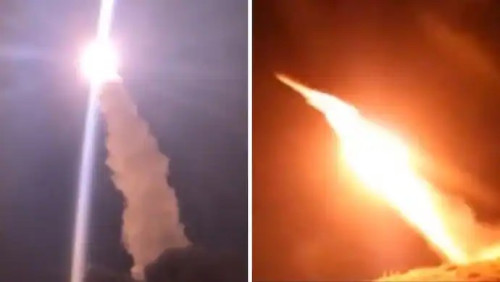
Some of the money will be for missiles that can be used to destroy enemy launch sites that threaten Japan during an attack – so-called “counter-strike capacity”.
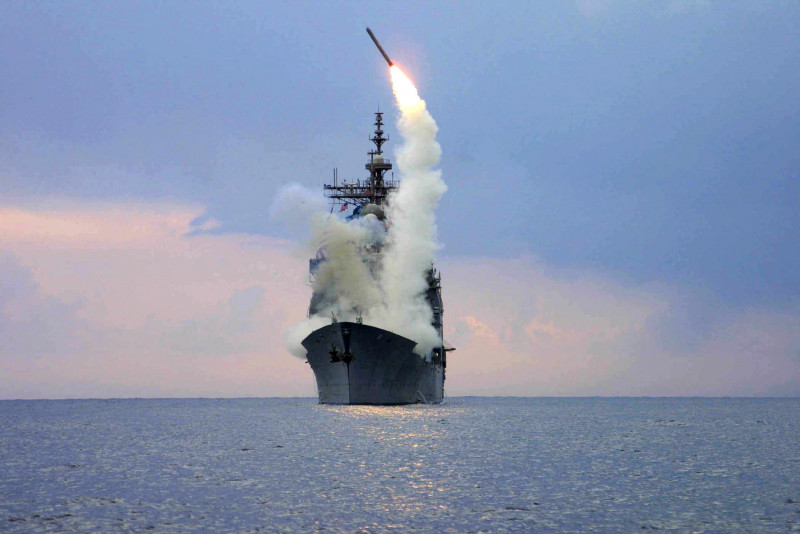
To achieve that quickly, the country plans to buy US-made Tomahawk and long-range SM-6 missiles. It is reportedly already in talks with Washington to buy up to 500 Tomahawks.
Missile upgrades
Eventually, Japan aims to deploy more than 1,000 long-range cruise missiles able to reach North Korea or coastal areas of China, according to the Yomiuri newspaper.
The nation will likely spend ¥5 trillion (RM161.4 billion) “to develop and build out its own domestic missile capacity”, said James Brady, vice-president of Teneo consultancy.
Japanese-developed “extended-range Type-12 (surface-to-ship) missiles, diversified launch platforms, and high-speed glide weapons” could be included in the upgrades, Brady added.
The country plans to build around 130 new ammunition depots by 2035 to hold counter-strike missiles and other armaments.
Southern islands
To counter threats from an increasingly assertive China, Japan wants to strengthen military operations on its southernmost islands.
The country will reportedly triple the number of military units there equipped with ballistic missile interception capabilities.
According to local media, the government also plans to increase the number of troops stationed in the southern Okinawa region from 2,000 to 3,000.
Military structure
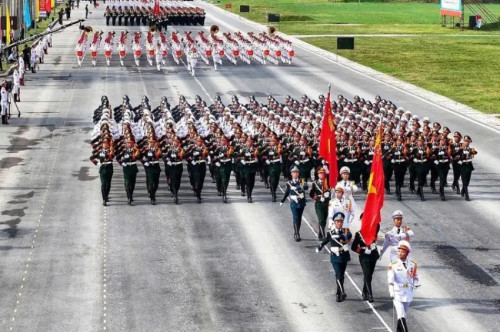
Japan's Self-Defense Forces (SDF) will be reorganised, with the army, navy, and air force placed under a permanent joint command to respond more quickly to emergencies.
For the same reason, the government wants to make it easier for the military to use civilian ports and airports by March 2024, and to strengthen cooperation between Japan’s coastguard with the SDF and foreign coastguards.
Japanese officials also want to improve coordination with US forces to better prepare for a potential Taiwan crisis.
There will be new units responsible for drones and another dedicated to cyberwarfare, as well as improved capacity for information-gathering and responding to high-tech weaponry, such as hypersonic weapons. – AFP, December 16, 2022