KUALA LUMPUR – When the International Seabed Authority begins accepting applications for deep-sea mining operations in the coming weeks, there will remain a lingering question.
How much control will authorities have over operations to ensure environmental protection of marine habitats far from coastlines, or will it turn into a wild high seas free-for-all?
The answer seems to be: the new High Seas Treaty is powerless.
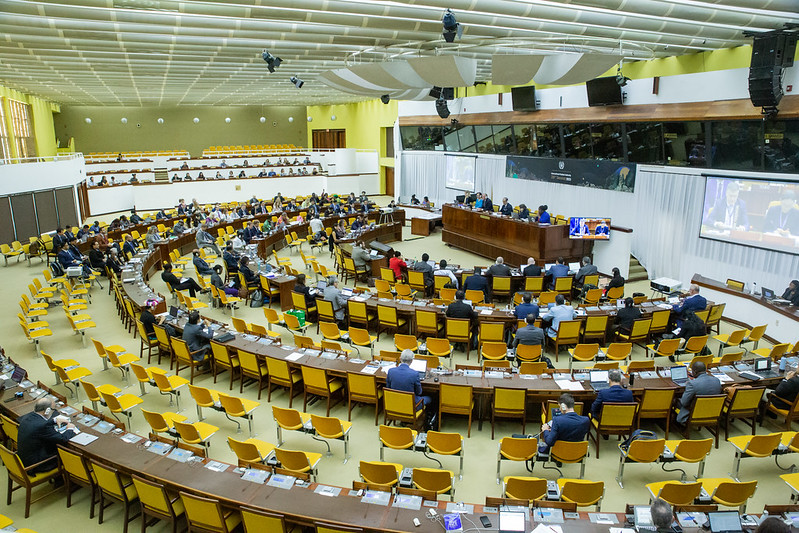
The International Seabed Authority, established under the United Nations Convention on the Law of the Sea 1982, regulates and controls all mineral-related activities on seabeds in international waters and is currently negotiating a mining code to establish the rules under which companies will be allowed to extract minerals from the seabed.
But the clock is ticking. The authority has been forced to speed up finalising the code after the tiny Pacific nation of Nauru triggered a two-year rule to allow applications for seabed mining starting in July 2023.
Although commercial mining has not yet started, companies such as De Beers, China Minmetals Corporation, UK Seabed Resources Ltd., and others from Tonga, Nauru, Germany, Japan, and Singapore are lining up to make it a reality.
As a result, there are fears that environmental protection for international waters will be drowned in the rush by these companies hoping to exploit one of the planet’s final frontiers for mining.
Treaty has no say over mining
Deep seabed mining for metals such as cobalt, manganese, and nickel could potentially support the mass production of essential electronics such as smartphones and tablets as well as stimulate the development of green technology like electric vehicles and wind turbines.
Realising the imminent impacts of deep-sea mining and how it could affect the marine environment, the world in March this year reached what could well be a turning point in the protection of the world’s oceans – the adoption of the High Seas Treaty.
Without such a treaty, the high seas and deep seabeds beyond national jurisdictions had, for decades, been governed and managed in a fragmented way.
The Treaty, which took two decades to finalise and will not be signed off until later in 2023, seeks to change this by establishing a new framework to address marine resource conservation with new management tools and institutional mechanisms for decision-making and equitable benefit sharing.
But the treaty doesn’t have any power over mining activities overseen by the International Seabed Authority because it does not apply directly to activities already regulated by existing bodies.
In other words, the High Seas Treaty would not impede or hamper deep-sea mining exploration or any mining activities.
It only provides the world with an institutionalised and coordinated protective measure without any clear provisions to obstruct mining. The International Seabed Authority can issue licences to companies intending to explore the deep sea without much hindrance.
15-year exclusive contracts
Not only that, there are no guarantees the High Seas Treaty could even offer environmental protection despite clauses in it allowing for the creation of marine protected areas beyond national jurisdictions.
It also remains to be seen how nations might work together for the establishment of marine protected areas beyond national jurisdictions.
Proposals would first have to be submitted by participating countries to the International Maritime Organisation, supported by a draft management plan detailing whether or not activities like fishing, shipping, and deep-sea mining would be restricted within the suggested designated area.
Such proposals may likely face opposition, resulting in years of delay before designations of marine protected areas in the international high seas or seabeds could be realised.
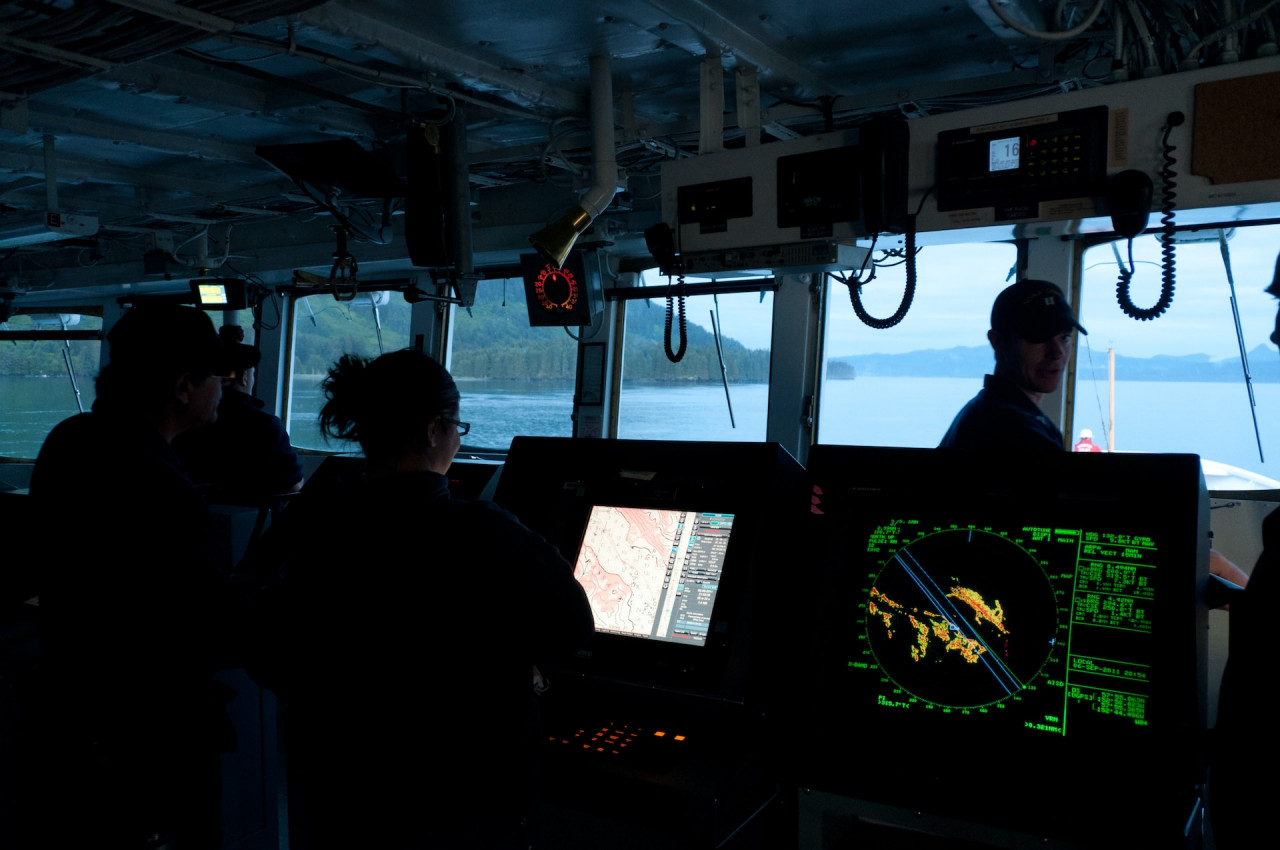
In the meantime, regulations allow countries to apply to the International Seabed Authority for 15-year exclusive rights to explore a specific area for deep-sea mining.
To receive such contracts, they must submit work plans demonstrating the contractors they are sending out for exploration possess the financial and technical capabilities to fulfil their obligations.
It is an expensive endeavour, costing up to US$1.4 billion (RM6.5 billion) over five years.
A 2017 Unesco report stated that ocean research vessels may cost between US$10,000 and US$40,000 a day to operate. The projected total cost to process the minerals is estimated to be approximately US$135 million.
Contractors are expected to follow best environmental practices and work closely with the authority to come up with programmes for monitoring and evaluating the biodiversity impacts of their exploration and mining activities.
As seabed explorations are now ongoing but mining is yet to start, contractors, scientists, legal experts, and the authority must continuously work together to monitor the environmental impacts.
With more scientific data, it would then be possible for member countries under the High Seas Treaty to unearth the most sustainable way of balancing mining activities with the protection of the marine environment. – 360info, July 9, 2023
Mohd Hazmi Mohd Rusli is an associate professor at the Faculty of Shariah and Law, Universiti Sains Islam Malaysia, and a former research fellow at the Australian National University, Canberra
Published under Creative Commons and in partnership with 360info.org

.jpg)