KUALA LUMPUR – Malaysia sold a measly 15 electric vehicles (EVs) last year while many countries globally are phasing out the production of petrol vehicles, putting the country on the backfoot.
This is the main contention raised by industry players who are urging better incentives from the government to drive up EV demand for the upcoming Budget 2022.
Malaysian Automotive Association president Datuk Aishah Ahmad said it is about time the government introduced these incentives for EVs.
“Last year, only 15 units of completely built EVs were sold by car companies in Malaysia.
“We are hoping under Budget 2022, there will be no import or excise duties on EVs, to spur demand,” Aishah told The Vibes.
Sharing a similar view, Malaysian Electric Vehicle Owners Club (MyEvoc) president Datuk Shahrol Halmi suggested stimulating demand for EVs would see the cabinet’s Low Carbon Mobility Blueprint’s realisation.
However, to build up customer demand, there needs to be attractive government and financial incentives for the public, given the high costs of EVs.
There should be zero import taxes and excise duties for EVs. The government did this in 2011 via tax exemptions for hybrid vehicles, which saw demand shoot up.”
During the Budget 2011, the government introduced full import and excise duty exemption for hybrid vehicles, and according to an automotive article, this saw the demand for Toyota Prius and Honda Insight vehicles rise.
Similarly, the policy also saw Lexus taking advantage to introduce its CT 200h hatchback to Malaysia at an attractive price.
Thus, Shahrol said when contacted, such a policy would not only see high-end EVs such as Teslas entering the market, but also cheaper products from China coming in.
Much to fix in EV tax system
But it does not end there, as Shahrol suggests Budget 2022 should consider other matters relating to EVs, particularly a relook at road tax structures for EVs.
Shahrol said currently, road tax prices for EVs are calculated based on power output, while combustion vehicles are taxed based on engine size.
This would see the 240kW-output BMW iX xDrive40 EV SUV paying a road tax of RM 3,063, while the non-electric BMW X2 2.0 is taxed at RM379 in Peninsular Malaysia.
Additionally, given the global push towards environmentally friendly EVs, Shahrol says there would be more EVs on the roads in 10 to 15 years’ time.
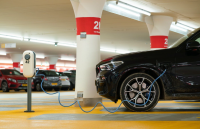
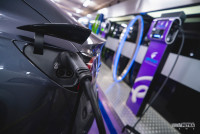
However, Malaysia must have the infrastructure to support these vehicles, which he says should be considered in the Budget 2022.
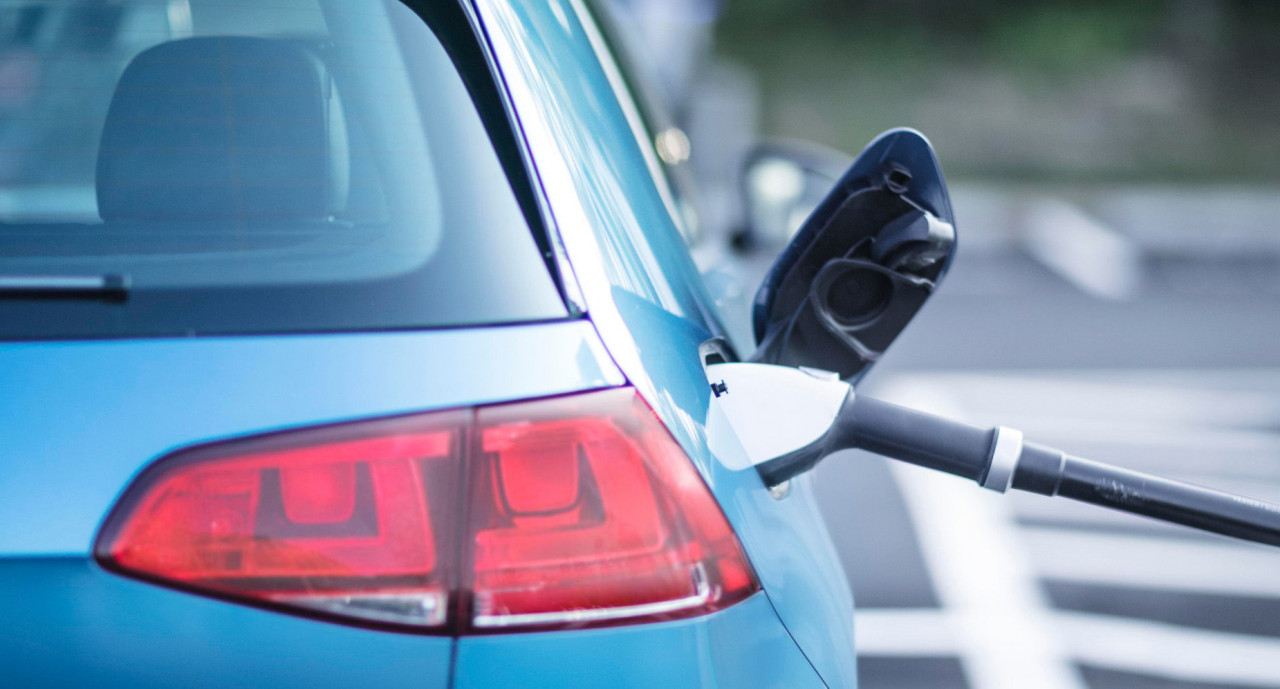
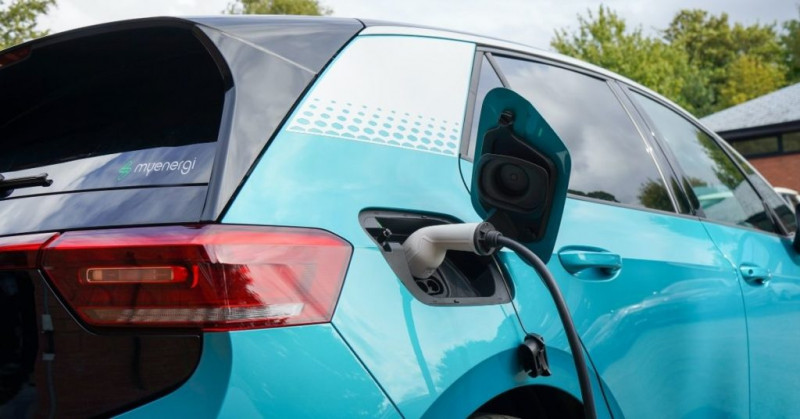
“There has to be more support to build EV charging infrastructure.
“The point is if the infrastructure is built now, it will drive down the costs of EVs for everyone.
“If the infrastructure is dense, car batteries can be smaller, meaning the vehicles will cost less to buy,” Shahrol added.
According to Malaysian Green Technology Corporation’s Low Carbon Mobility Blueprint, Malaysia had 250 EV charging stations as of December 2018.
However, countries like Singapore have pledged to phase out combustion engine vehicles by 2040.
Similarly, international auto manufacturers such as Volvo have pledged to phase out combustion engine vehicles starting 2019, while Volkswagen Group said 2026 would be the year it produces its last combustion engine vehicle. – The Vibes, October 27, 2021