Business

Chinese city suspends rail imports after fresh Covid-19 outbreak

Decision comes as country forced to ramp up output after hit by energy shortage

Updated 4 years ago · Published on 01 Dec 2021 1:30PM

Chinese city suspends rail imports after fresh Covid-19 outbreak
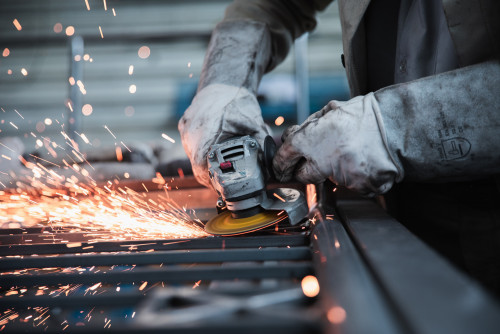
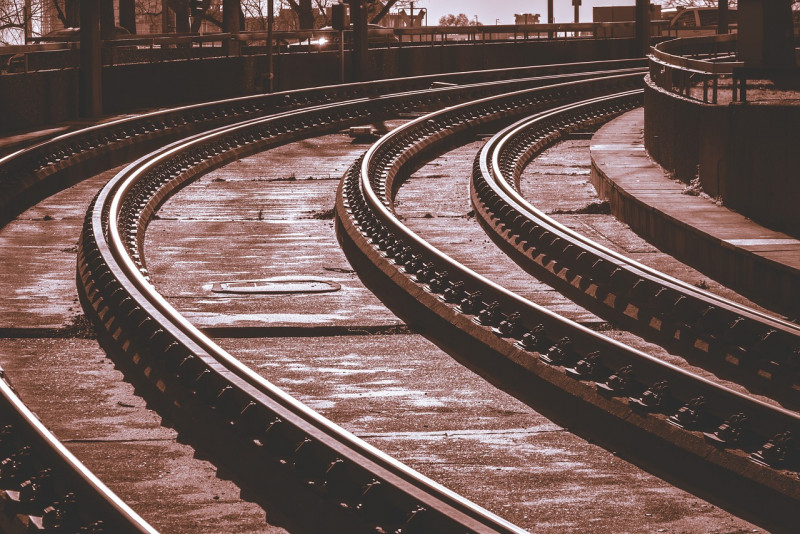
Manzhouli authorities say its railway port will suspend the import of non-containerised goods including timber, coal, mineral powder, chemical fertiliser, and other products that require manual loading and unloading. – Pixabay pic, December 1, 2021

BEIJING – A northern Chinese city bordering Russia today halted rail imports including coal and timber over fears of a fresh cluster of Covid-19 infections, as the country logged its highest domestic cases in a month.

Health authorities reported 91 new cases in or close to Manzhouli – a city of 231,000 in Inner Mongolia that handles more than 65% of China-Russia trade – after seeing dozens in recent days, forcing leaders to impose localised lockdowns and travel restrictions.

Authorities also said its railway port will “suspend the import of non-containerised goods including timber, coal, mineral powder, chemical fertiliser...and other products that require manual loading and unloading”, starting today.

The aim is to “strengthen prevention and control” of the outbreak at ports and “effectively block the spread of overseas epidemics through imported goods”, the notice added.

The decision to stop trains carrying coal comes as China has in recent months been forced to ramp up output after being hit by an energy shortage that forced factories to close, owing to strict emissions targets and record prices for the fossil fuel.

Beijing has maintained a strict zero-risk approach since the virus first surfaced in the central city of Wuhan in late 2019, using targeted lockdowns, border controls, and mass testing to keep outbreaks under control.

But recent Delta-driven surges have piled pressure on this strategy.

The latest cluster involved three Covid-19 cases found through regular testing, with state media reporting that patients possibly came into contact with imported items.

Infected patients have since included workers in the timber industry, and those who load and unload goods.

After having stamped out most domestic infections, China has linked most recent outbreaks to the virus carried by imported and cold-chain products.

“Since November, most of our newly confirmed domestic cases have been concentrated at border and port cities,” said National Health Commission spokesman Mi Feng this week. – AFP, December 1, 2021

Related News

Malaysia / 2w

PM Anwar loses beloved elder brother; Idrus Ibrahim passes away

Malaysia / 2w

Anwar asks Loke to reconsider resignation over Najib pardon

Opinion / 1mth

Foreign influence, covert activities within Malaysian politics and society

Malaysia / 1mth

Jokowi calls on global institutions to meet  needs growing, interconnected world

Malaysia / 1mth

Billionaire numbers reach record high as wealth remains concentrated

Malaysia / 1mth

Anwar backs One China policy, says Beijing can pursue reunification

Spotlight

Malaysia

Five fatal helicopter crash victims honoured in Sarawak state awards

Malaysia

No Malaysian is left behind; Budget 2027 puts people first - Anwar  

Malaysia

Panama hit by 6.4-magnitude earthquake

Malaysia

Haze blankets 33 areas with unhealthy air

Malaysia

Malaysia’s 2027 Budget is a steady one: people-oriented continuity rather than bold reform

Malaysia

Budget 2027: What is in it for me?

Malaysia

Budget 2027 steps up Sabah, Sarawak funding by RM2.2b amid push for development parity

Malaysia

Budget 2027: Maternity leave entitlement increased, minimum pension raised to RM1,350

You may be interested

Business

Oil slips on Trump’s Iran remarks, but supply risks and strong US dollar keep markets on edge

Business

Budget 2027 targets foreign e-commerce platforms, channels billions into local firms and startups

Business

Budget 2027 channels RM270m to SMEs through crowdfunding, P2P financing

Business

Malaysia draws US$9.5b in orders for US$1.5b sukuk, cuts borrowing costs