Business

Malaysia Airports to replace KLIA’s aerotrain system after 23 years

Managing director says old assets more likely to break down, harder to get parts for

Updated 4 years ago · Published on 27 Dec 2021 9:00PM

Malaysia Airports to replace KLIA’s aerotrain system after 23 years
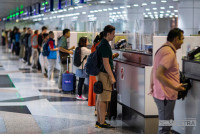
Datuk Iskandar Mizal Mahmood says there would be some inconvenience to passengers during the three-year upgrading period but pointed to the airside bus service as an alternative option. – Facebook pic, December 27, 2021

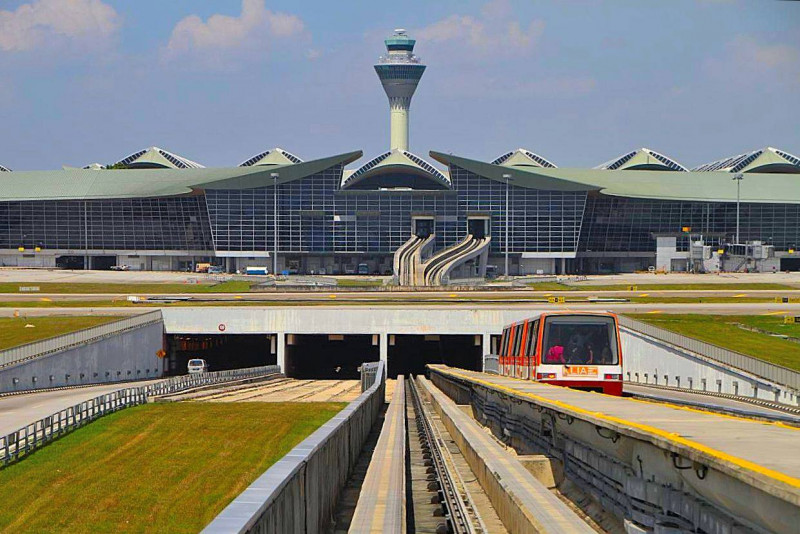
KUALA LUMPUR – Malaysia Airports Holdings Bhd has embarked on the replacement of its Automated People Mover (APM), also known as the aerotrain system, in Kuala Lumpur International Airport (KLIA).

Malaysia Airports managing director Datuk Iskandar Mizal Mahmood said the current aerotrains were approaching their end-of-life stage and needed to be upgraded so that passengers can be better served.

“It is no longer feasible to maintain the current aerotrains. Old assets are more prone to break down and this will inconvenience passengers.

“They are also running on old technology, making it difficult to get parts,” he said in a statement today.

The new APM project that has been awarded to Pestech Technology Sdn Bhd (Pestech) will begin in March 2022 and take three years to be completed.

Pestech will work together with Bombardier Transportation on the project, which encompasses the replacement of the aerotrain system as well as its maintenance for ten years until 2034.

Iskandar said the new aerotrains would be upgraded together with the track system infrastructure, and this would also provide the airport with better operational efficiency.

“No doubt there will be some inconvenience to passengers in the next three years during the upgrading period.

“While we will endeavour to minimise the disruption of service, passengers will continue to be shuttled using the airside bus service, which has been running well as an alternative service since 2017,” he added.

The current aerotrains have shuttled more than 300 million passengers between the satellite and main terminal buildings since the airport opened 23 years ago.

Over the past few years, the ageing aerotrain system frequently faced service disruptions, contributing to operational inefficiency and inconveniencing passengers who must use the alternative busing service instead. – Bernama, December 27, 2021
Related News

Malaysia / 5d

Cabinet approves 17 measures to beef up KLIA security checks, controls

Malaysia / 6d

Disturbed woman at KLIA taken to hospital, had forgotten to take medication

Malaysia / 6d

Woman, believed to be foreigner, allegedly causes disturbance at KLIA (video)

Malaysia / 2w

KLIA security gaps exposed as Malaysian pilot clears checks, flies while high

Malaysia / 2mth

Tourist claims he was locked in car, threatened to pay RM300 from KLIA T2 to T1

Malaysia / 2mth

Aerotrain at KLIA Terminal 1 resumes 24-hour operations from June 1 - Loke

Spotlight

Malaysia

Tuanku Muhriz urges Malaysians to uphold Rukun Negara, strengthen unity

Malaysia

PM to bring Felda forensic audit proposal to Cabinet

Malaysia

Malaysia tightens Thailand border security after wave of southern attacks

Malaysia

Mohd Amar’s three-year remark puts PAS’ Kelantan record under spotlight

Malaysia

KPF’s Al-Rawda exposure raises fresh questions over RM119.38 million

By Alfian Z.M. Tahir

Trump’s North Korea gamble deepens Asia’s doubts over US alliances

Malaysia

Rayer denies involvement in 'Maha Kali Red Rally', claims name and photo misused

Business

Nation’s economic outlook strengthens as leading index signals continued growth

You may be interested

Business

Oil prices pull back after rally as markets brace for tougher Iran sanctions

Business

Oil prices hold near US$85 as US-Iran tensions keep hormuz risks in focus

Business

Matrix Concepts records RM416.7m in 1Q27 sales as geographic diversification gains traction

Business

K8 cargo: Businessman seeks clarification from MOF, Customs, Petronas

Business

Nation’s economic outlook strengthens as leading index signals continued growth