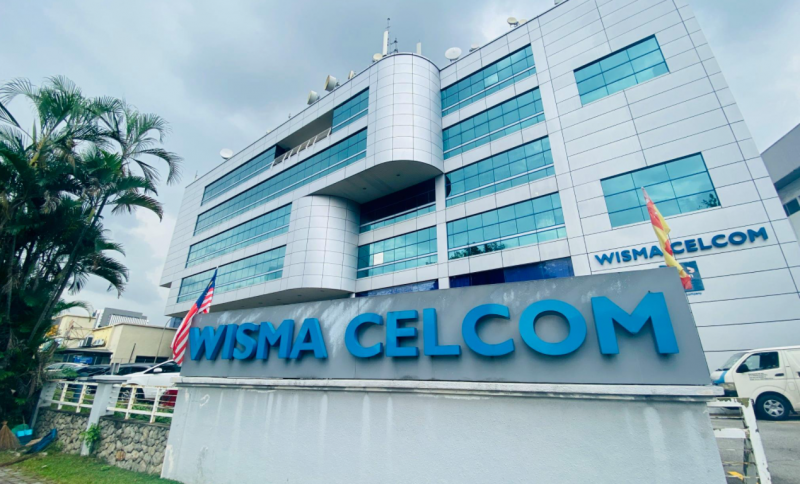

KUALA LUMPUR – Analysis of three of the country’s biggest mobile network operators (MNOs) – Celcom, Digi, and Maxis – suggests they could collectively earn some RM250 billion in revenues within the next 10 years as a result of acquiring wholesale 5G connectivity from a common network.
Industry analysts said that with the MNOs, or telecommunications companies (telcos), warming up to the idea of buying stakes in single wholesale network (SWN) provider Digital Nasional Bhd (DNB), the sector’s biggest players stand to enjoy significant long-term revenue growth between 2022 and 2031.
“This revenue upside is possible without MNOs having to undertake prohibitive upfront network and infrastructure investments,” an analyst who declined to be named said.
“Revenue upside will come from vastly increased demand for data. Users are consuming more data than ever, a trend that has been accelerated by the pandemic.”
The analyst was referring to a study by Kenanga Research, which upgraded the Malaysian telco sector from “neutral” to “overweight”, following the recent move by the telcos to begin embracing the SWN model, which they had previously resisted.
With the predicted increase in future data consumption, coupled with the falling prices of 5G – at around 30 sen per gigabyte (GB), from the current RM2 per GB – the telcos will be able to maintain or improve their present average revenue per user (ARPU) figures.
He noted that 5G-powered revenue drivers include high definition (4K and higher) video content and streaming, alternate reality and virtual reality applications, emerging opportunities in the so-called metaverse, at-scale artificial intelligence and machine learning, 5G-enabled enterprise, private networks, and fixed wireless access, among others.
The optimised services, he said, could drive upwards of a fourfold increase in operating cash flows.
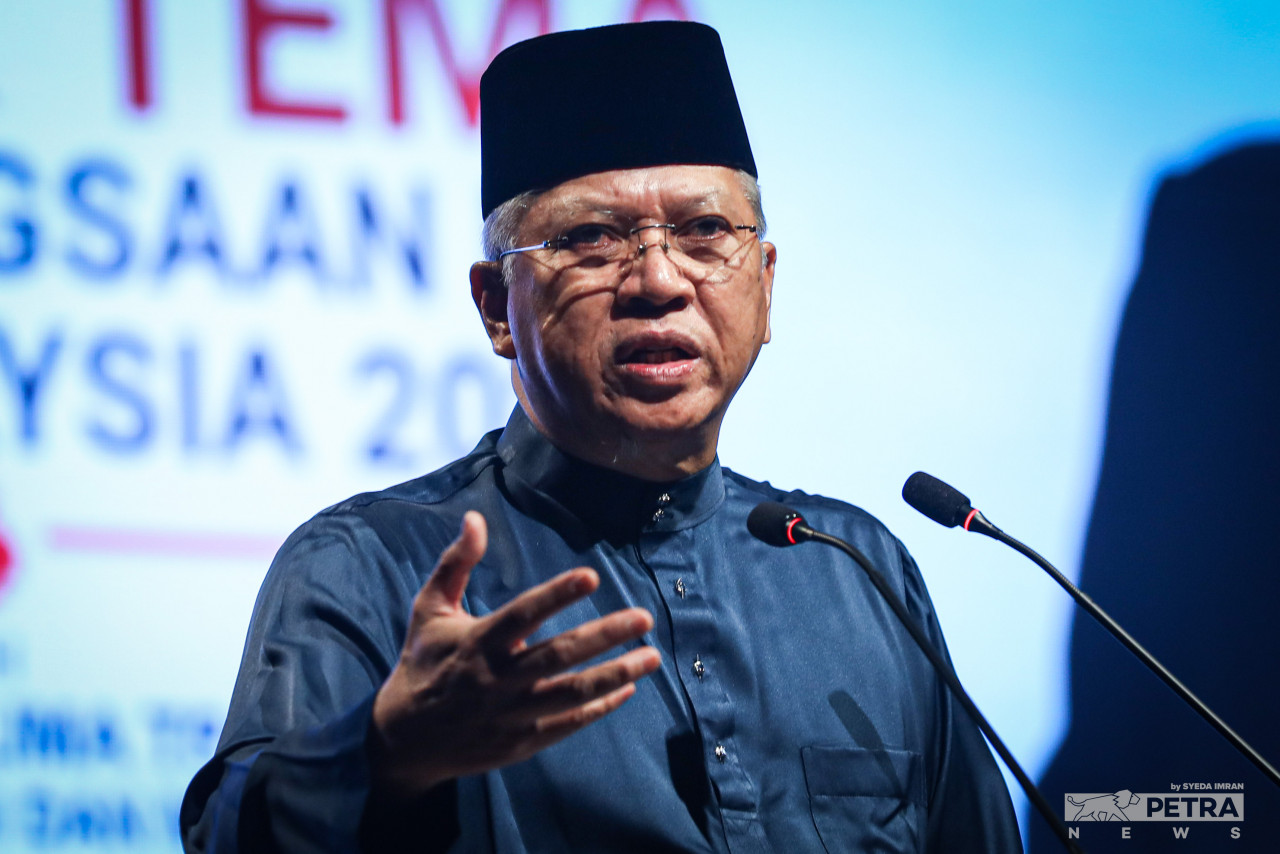
In late June, Communications and Multimedia Minister Tan Sri Annuar Musa said six telcos had agreed to hold equity stakes in the Finance Ministry-owned DNB.
Previously, the country’s four major telcos – Celcom, Digi, Maxis, and U Mobile, collectively known in the industry by the CDMU moniker – had resisted the implementation of the national 5G service by DNB.
DNB has been tasked to build the nation’s infrastructure for 5G, which is the next exciting stage of mobile telephony, and telcos would need to subscribe for access and subsequently offer products and services to consumers.
Prior to Annuar’s announcement, Finance Minister Datuk Seri Tengku Zafrul Tengku Abdul Aziz insisted the 5G network roll-out is ultimately a matter of national interest meant to uplift Malaysians and should not be considered merely through the commercial needs of the telcos.
Tengku Zafrul said the 5G network will boost the economy by RM650 billion and create 750,000 high-value jobs between now and 2030.
Short-term flat revenue would quickly reverse
While there is expected to be some short-term revenue reduction caused by the 5G network’s gestation period, the analysts projected that revenue will bounce back with a 2% yearly growth rate, as measured by ARPU.
“This is possible as industry observers noted that 5G use cases will take off in 2024, with the proliferation of 5G smartphones as well as enterprise/industrial use cases,” another analyst, who spoke on the condition of anonymity, noted.
“These use cases will introduce new business models and revenue drivers that MNOs can and should embark on where possible.”
The analyst also pointed out possible competition from other smaller telcos as access seekers to the 5G wholesale network.
He added this was a “valid concern” for the MNOs that resisted signing up with DNB and were willing to wait until 2024 when 5G devices become more widely available.
“There is a potentially decisive trade-off here – certain MNOs could adopt a ‘wait-and-see’ approach while the 5G network grows,” the analyst said.
“But this would almost certainly come at the expense of market share, as existing users are pulled away to other MNOs that choose to commercialise 5G and make it available to their end-users in the near term.”
On the upside, the analyst said telcos can use the expenditure that would have been spent on self-built 5G networks to invest in unique, 5G-enabled services for consumers.
He noted that the cost savings would be “significant”.
“Depreciation and amortisation are forecast to remain high in the early years of the 5G roll-out due to legacy 4G costs, anticipated (minimal) 4G densification, and accelerated depreciation of MNOs’ 4G investment and spectrum,” another analyst said.
However, he said the maintenance capital expenditure (maintenance capex) would ease and reduce to a minimum of around RM1.3 billion for the three MNOs combined, compared with RM4.6 billion in 2021.
He said the total estimated capex incurred would be at RM7.3 billion, in contrast to a total of RM30 billion for the three MNOs spent during the 4G era.
“DNB also helps eliminate duplication and redundancy of assets through the SWN framework, such as single highway versus multiple highways,” he said.
“While DNB begins to invest in 5G sites today, it is for the benefit of MNOs to adopt 5G early and use funds previously intended for capex to defend market share via new product offerings and accelerate 5G use cases to reach parity with 4G even before 2026.” – The Vibes, July 15, 2022