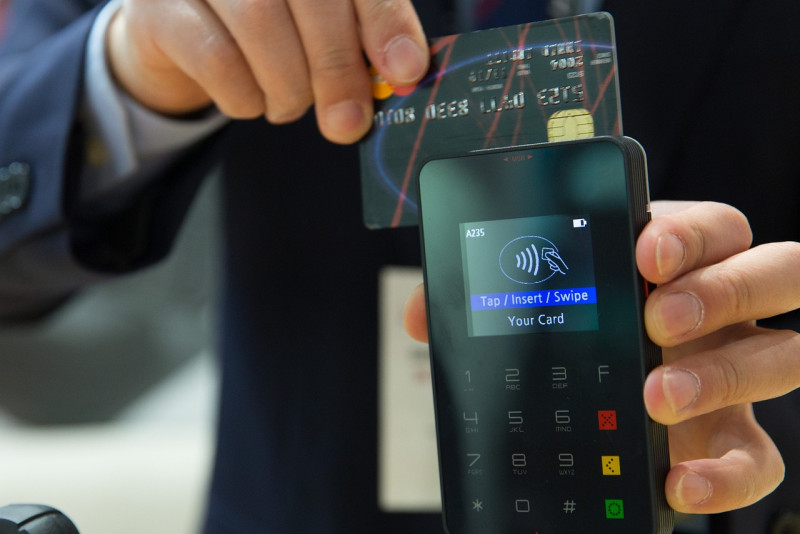
KUALA LUMPUR – A total of seven out of 10 Malaysian consumers are now actively using contactless card payments systems as part of the effort towards becoming a cashless society, said Visa Inc.
According to the 2022 Visa Consumer Payment Attitudes (CPA) study, more than 90% of Malaysians are familiar with the contactless payments system, with almost 70% of them using it, an increase from 56% recorded in the previous year.
The top categories that Malaysians spend on using contactless payments included supermarkets (53%), retail stores (46%) and restaurants (44%).
Based on the study, Malaysian consumers also indicated that contactless payment is their most preferred payment method when paying for their groceries at supermarkets, retail shopping and making purchases for entertainment.
Visa country manager for Malaysia Ng Kong Boon highlighted that Malaysia has become one of the most developed contactless payments markets in Asia Pacific, where eight in 10 Visa transactions are contactless payments.
“Compared to 2019, whereby only three in 10 Visa transactions made in the country were contactless payments.
“We are proud to share that contactless payments have grown significantly over the past few years, especially when we compare its growth since the pandemic,” he told Bernama.
According to Ng, Visa has worked with merchants to expand contactless payments’ acceptance across daily spending categories in Malaysia, as well as with issuers to educate consumers on the benefits of contactless payments and the results were great.
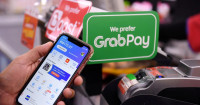
“Our mobile pay partners launching mobile contactless payments in Malaysia have also supported this growth in usage.
“Consumers value the convenience of being able to tap and pay using their mobile devices and embrace it as a secure way to pay given every transaction is tokenised,” Ng added.
Towards cashless society
The 2022 Visa CPA study, conducted with 1,000 Malaysians aged 18 to 65 is part of a regional research project conducted in Southeast Asia with 6,550 consumers across seven markets.
The study was conducted by CLEAR on behalf of Visa across seven Southeast Asian countries, namely Cambodia, Indonesia, Malaysia, the Philippines, Singapore, Thailand, and Vietnam.
The study also highlighted that Malaysians are becoming more cashless, given card payments have overtaken cash usage in the country especially since the pandemic.
The majority of Malaysians or 92% of respondents indicated that they have used credit or debit card payments.
In addition, more than three in four local patrons have attempted to go cashless with 67% of consumers in the country having tried to go cashless for at least a few days.
“Close to 50% of Malaysian consumers said they are carrying less cash in their wallets compared to before.
“The top reasons for carrying less cash included using more contactless card or mobile payments, more places adopting cashless payments and fear of carrying cash as it may be lost or stolen,” according to the report.
Consumer payment habits and preference
The use of cashless payments has significantly increased over the years with high usage observed for contactless cards, QR payments or online and in-app payments.
Despite recent cashless growth, cash is still the most frequently used payment method, however, the usage frequency of cashless payments has increased since 2021.
“Attempts to go cashless are relatively high in Malaysia, driven by younger consumers such as Gen Z and Gen Y who were leading the percentage of consumers attempting to go cashless.
“Malaysia is expected to be a cashless society by 2030, meaning the majority of consumers will be using cashless methods and no longer relying on cash for their daily transactions,” according to the study. – Bernama, July 4, 2023