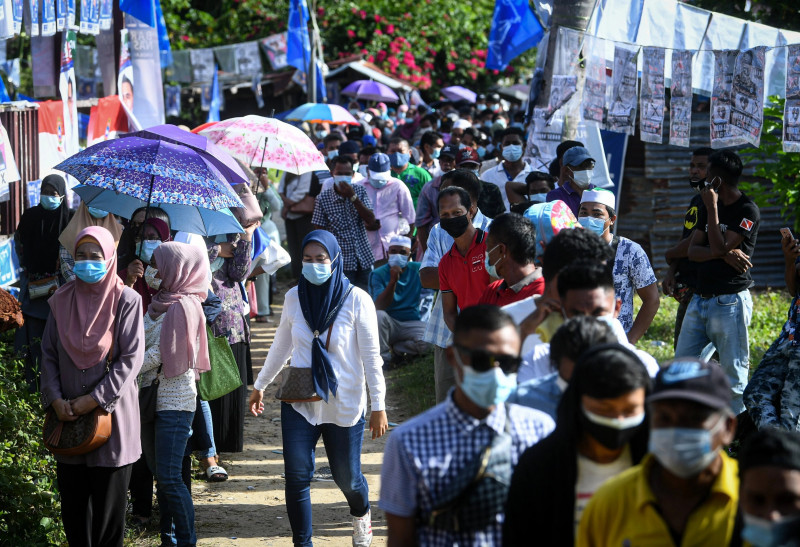
THE upcoming 17th Sabah State Election (PRN17) is expected to be dominated by debates on economic development and the realisation of rights under the Malaysia Agreement 1963 (MA63), according to political observers and analysts.
Economic development and the fulfilment of Sabah’s rights under the Malaysia Agreement 1963 (MA63) are expected to take centre stage as the state prepares for its next election, with political analysts identifying youth unemployment and local political dynamics as critical factors shaping the outcome.
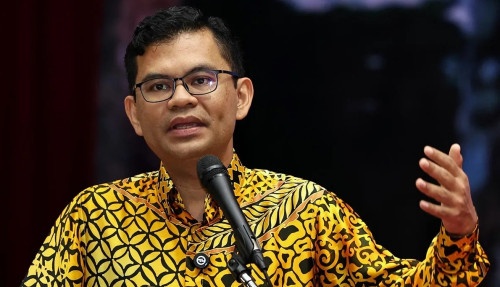
Mujibu Abdul Muis, Research Fellow at ILHAM Centre, said that although the federal MADANI Government has committed RM6.7 billion to Sabah under Budget 2025, the state continues to struggle with the country’s highest youth unemployment rate, which stood at 6.7 per cent in the first quarter of 2025.
“Youth unemployment and job opportunities remain critical issues in Sabah, particularly among the growing number of young voters following the introduction of automatic voting at age 18,” he said during Bernama TV’s Ruang Bicara programme titled Sabah State Election – Strengthening Preparedness and Inclusive Strategies.
He added that MA63 would likely become a powerful campaign issue, particularly for parties seeking to prove that Sabah’s constitutional rights within the Federation are not merely rhetorical.
“The Malaysia Agreement 1963 affirms the concept of equal partnership within Malaysia, especially concerning the revenue that Sabah should rightly enjoy as part of the Federation,” Mujibu said. “Political parties that understand this dynamic will need to craft their strategies wisely.”
Deputy Prime Minister Datuk Seri Fadillah Yusof recently announced that a final decision on Sabah’s claim to 40 per cent of federal revenue, as guaranteed under MA63, is expected before Malaysia Day on 16 September. Thirteen demands from Sabah and Sarawak have already been resolved, nine under the current administration.
Meanwhile, Dr Sharmin Kutty Sivaraman, senior lecturer at INTI International University, noted that while Sabah voters have matured in evaluating development issues, strong cultural and ethnic sentiments remain a major influence on electoral decisions.
“I believe Sabah voters now possess a rational approach in making their choices, but village-based sentiment and cultural identity remain deeply entrenched,” she said, referring to religion, ethnicity, and geography as enduring influences in the state’s political landscape.
According to ILHAM Centre’s Executive Director, Hisomudin Bakar, Gabungan Rakyat Sabah (GRS) enters the election as the frontrunner, benefitting from its incumbency, access to resources, and strong local candidates.
“Sabah’s political landscape is quite unique. Although national issues such as corruption or infrastructure may arise, voters tend to evaluate the candidates in their respective constituencies,” said Hisomudin.
He noted that Warisan remains dominant in areas such as Tawau and Kalabakan, while PBS and STAR continue to perform well in Kadazan-Dusun-Murut-Rungus (KDMR) regions. Pakatan Harapan’s support is concentrated in urban centres such as Kota Kinabalu and Sandakan.
Newer parties, like Datuk Peter Anthony’s KDM, are also gaining ground, particularly in urban areas. In contrast, UMNO and Barisan Nasional are struggling to regain footing after internal defections and limited appeal among younger voters.
“Young voters, aged between 18 and 40, represent a decisive swing group in many seats,” Hisomudin said. “The youth segment is largely undecided. Any party or candidate that fails to engage and convince them could face serious risk in securing victory.”
He added that the survey was conducted prior to the rise of the Zara Qairina Mahathir controversy, which has since become a subject of national attention.
The current Sabah State Assembly is set to dissolve automatically on 11 November unless dissolved earlier. Analysts believe the upcoming election will be closely contested, with local dynamics likely to outweigh national narratives.
“Based on our findings, GRS still leads other parties due to the advantages of incumbency, access to resources and the machinery of government,” Hisomudin said. - September 12, 2025