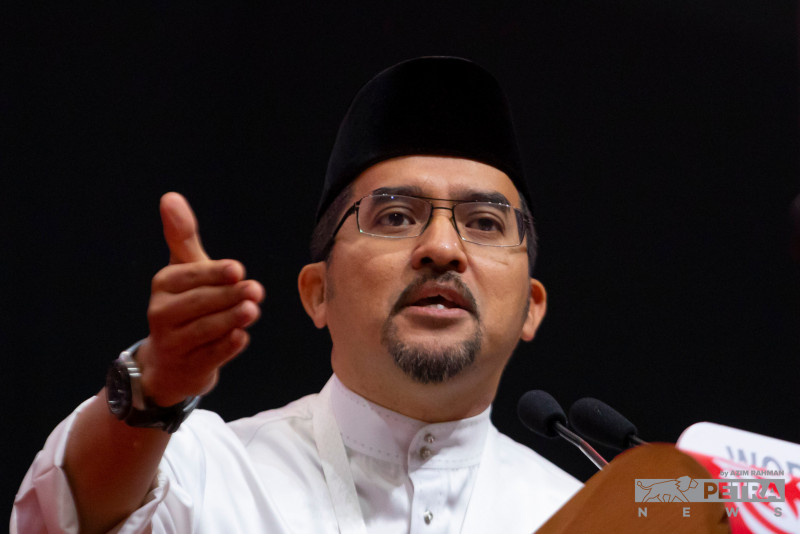
MARA chairman Datuk Dr Asyraf Wajdi Dusuki has dismissed claims that reinstating major school examinations will produce a generation of “parrot-like” students, insisting that such tests are crucial for assessing students’ mastery of knowledge.
In a Facebook post today, the Umno secretary-general argued that concerns over rote learning were unfounded.
“Such reasoning is unreasonable. If exams truly created a generation of 'parrots', then the Malaysian Certificate of Education (SPM) should also be abolished.
“Exams like the Primary School Achievement Test (UPSR) are essential for gauging students' understanding of their studies and should be reinstated. The School Academic Final Test (UASA), on the other hand, is not a standardised assessment; it is school-based,”New Straits Times cited him saying.
The remarks come after Education director-general Dr Mohd Azam Ahmad warned that returning major examinations to the school system could result in students who perform well academically but struggle to apply knowledge effectively.
He emphasised the importance of producing students who are skilled, morally upright, and emotionally balanced.
Azam also noted that, in an increasingly automated world, examinations may encourage rote learning, with teachers focusing solely on academic achievement rather than nurturing holistic development.
Responding to these concerns, Asyraf stressed the importance of UPSR in shaping a student’s character and future.
“UPSR helps students evaluate the extent of their understanding and mastery of knowledge, while enabling teachers to identify areas that require improvement.
“Exams also cultivate discipline and responsibility, as they demand planning, dedication, and time management, fostering perseverance and resilience under pressure,” he said.
He added examinations such as UPSR play a crucial role in the selection process for higher-level institutions, including Fully Residential Schools (SBP), Mara Junior Science Colleges (MRSM), National Religious Secondary Schools (SMKA), vocational schools, and others.
“Examinations motivate students to work harder, foster healthy competition, and nurture the drive to succeed. The process teaches patience, reliance on God, and acceptance, while reinforcing that success comes through consistent effort and not easily achieved,” Asyraf said. - November 10, 2025