THE government’s decision to tighten fuel subsidy allocations marks a significant shift in economic policy, as Putrajaya seeks to balance mounting fiscal pressures with the risk of rising living costs.
The overhaul comes after subsidy spending surged dramatically from RM700 million to RM4 billion per month, prompting the government to recalibrate its approach while keeping retail fuel prices unchanged.
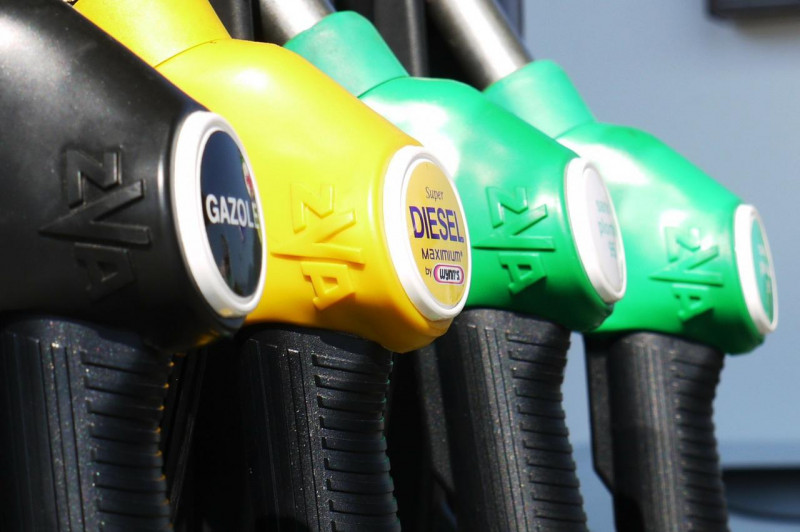
According to Bank Muamalat Malaysia Berhad Chief Economist Dr Mohd Afzanizam Abdul Rashid, under the revised framework effective 1 April 2026, the monthly cap for subsidised RON95 petrol will be reduced from 300 litres to 200 litres, with the price maintained at RM1.99 per litre.
Diesel subsidies remain in place at RM2.15 per litre, although stricter purchase limits have been introduced in Sabah and Sarawak based on vehicle categories.
While the policy is primarily aimed at containing public expenditure, it also targets long-standing concerns over fuel smuggling, a persistent issue attributed to Malaysia’s relatively low fuel prices compared with neighbouring countries.
Despite these objectives, the changes have intensified concerns among households and businesses over the potential for price increases across the broader economy.
The targeted nature of the subsidy system has amplified such anxieties, particularly as its benefits are unevenly distributed.
Currently, eligibility for RON95 subsidies is limited to Malaysian citizens with valid driving licences, while subsidised diesel is channelled mainly towards essential transport services, including school and express buses, ambulances and other public carriers.
In practice, consumers often lack insight into the true cost structures faced by businesses, leaving them reliant on claims of rising operational expenses to justify higher prices.
Although price adjustments are a legitimate aspect of maintaining profitability, this imbalance of information raises questions about transparency and fairness in pricing, Afzanizam told Sinar Harian.
As a result, regulatory oversight is seen as crucial in distinguishing genuine cost pressures from opportunistic price increases.
Government agencies are expected to play a central role in monitoring pricing behaviour and addressing the risk of profiteering.
At the same time, fostering greater competition is viewed as a key mechanism to ensure that prices remain responsive to market forces, allowing for both upward and downward adjustments,
Digital platforms, including e-commerce and social media, are increasingly identified as tools to enhance price discovery and market efficiency.
Policymakers have suggested that incentives such as tax breaks could encourage businesses to expand their online presence and improve competitiveness.
Ultimately, the policy shift underscores a broader recalibration of roles, with the government acting as a facilitator rather than a comprehensive provider of solutions.
Individuals and businesses are being urged to adapt through more prudent spending, strategic planning and greater use of technology.
The evolving subsidy landscape, analysts say, will require both structural adjustments and a shift in public mindset towards resilience and financial discipline. - March 30, 2026