KUALA LUMPUR – After swiftly mobilising its workforce in recent flood relief efforts, the Human Resources Development Corporation (HRD Corp) is now launching a pilot project to help rebuild the lives of the victims affected.
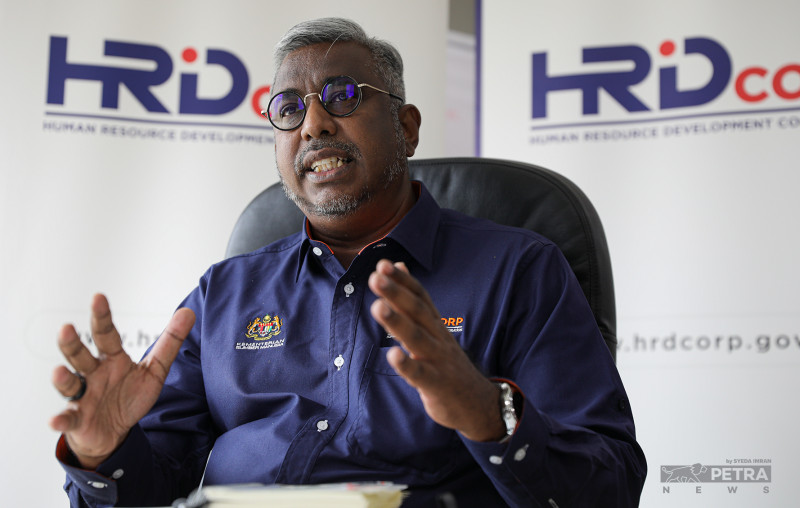
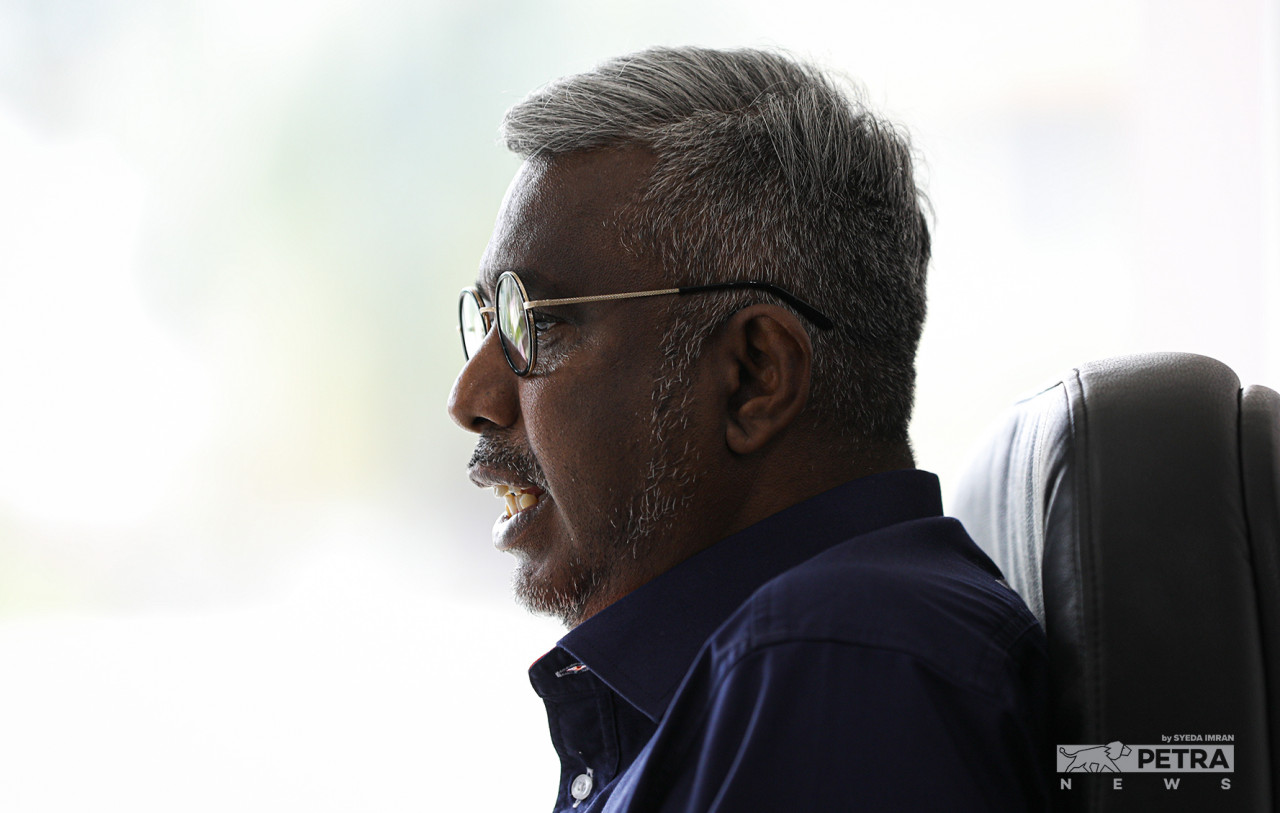
Its chief operating officer Datuk Ariff Farhan Doss said the project, which is yet to be named, will involve vocational students providing repair and restoration works on households in the Petaling district.
He recently told The Vibes that this would involve anything from plumbing, electrical wiring, and even household appliances. This would allow flood victims to set aside their expenses for other matters instead of basic repair works.
Working alongside the Human Resources Ministry’s Manpower Department and the local district office, Ariff said the first phase of the programme will involve at least 100 vocational students from Industry Lead Body training institutes, who will be working in flood-hit Kg Bukit Lanchong and Bukit Lanchong Jaya in Subang Jaya starting this weekend.
Ariff said each of the areas had about 500 houses, and that the programme would cover more than 1,000 homes over the span of 30 days. If successful and with proper funding, Ariff said the programme could be expanded nationwide.
The areas, he said, were chosen as they were among the worst hit by the floods, which began inundating neighbourhoods in the Klang Valley and some areas in Pahang on December 18.
Ariff said the Human Resources Ministry has been tasked to “adopt” the Petaling District and collaborate with the district office.
“HRD Corp as one of the agencies under the Human Resources Ministry will work together with other agencies under the ministry namely the Manpower Department under the leadership of the ministry’s secretary-general.”
Ariff said the idea for the programme came after HRD Corp took part in a flood aid distribution and clean-up effort around disaster-struck areas in Selangor and Pahang recently.
Many of the affected homes, he said, had faced tens of thousands of ringgit in damages and many occupants have already lost their income due to the Covid-19 pandemic, making it even more challenging for them to get back on their feet.
“What we have learned is that a lot of the items that were damaged in the floods can actually be repaired. You don’t have to buy new items, but the skills necessary to repair them is what HRD Corp is looking at,” he said.
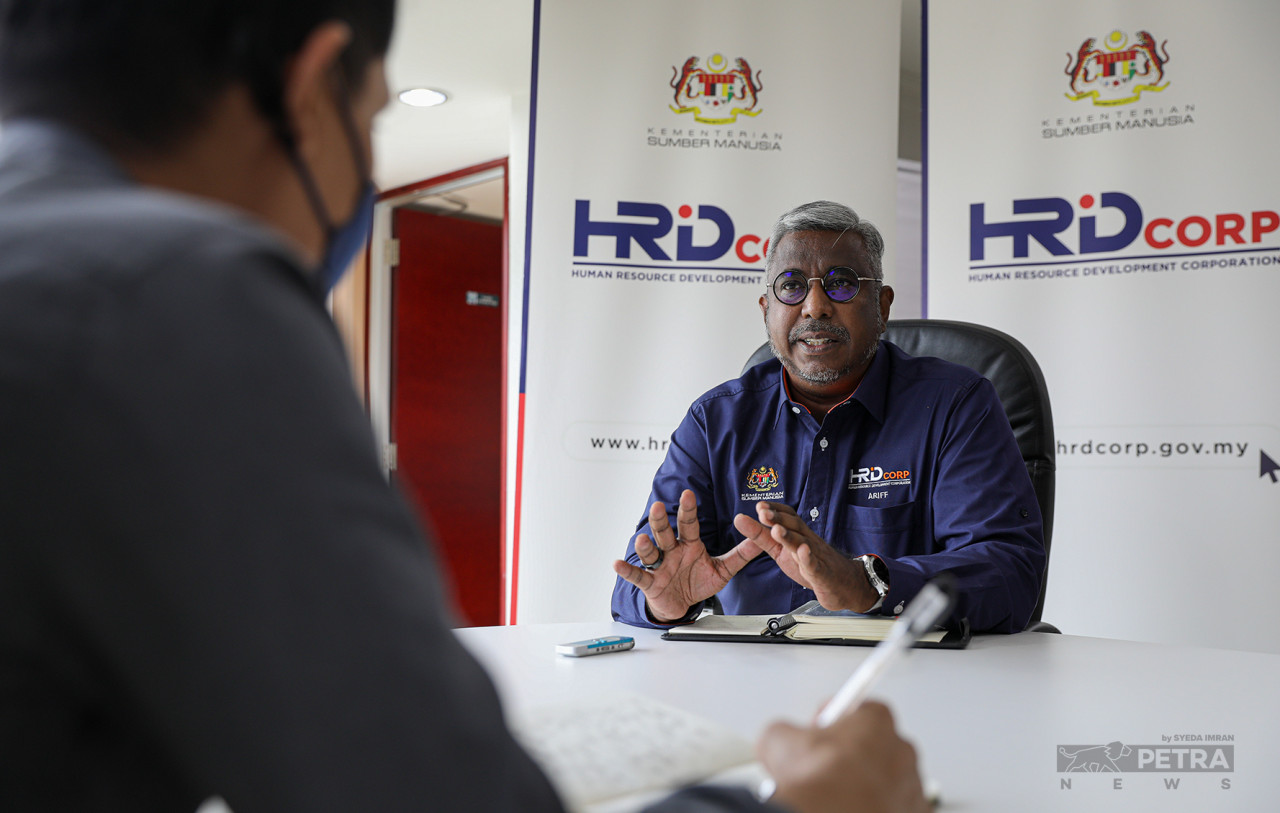
“Under the direction of the various agencies under the Human Resources Ministry, we (HRD Corp) will start working with each other to get the students to check the electrical wiring and plumbing of households, as well as other needs that these households may require.
“We will be going house to house to make sure that the wiring in the house is safe, and then ensure the plumbing is working. We can also look at making sure that these people have enough funds to be able to purchase items to once again have a liveable house.”
Ariff also said that the approach to the programme would be done strategically and on a case-by-case basis to ensure that the students involved did not disrupt the daily lives of the victims.
Aside from households, he said the programme could include shops that were destroyed in the floods. He added that during the first week of the disaster, HRD Corp noticed that much of the damage faced could have been avoided if people were more prepared to face such occurrences.
“When we were on the ground, we saw many shops that were destroyed, and so many of them could have also been well-prepared if their employees were trained to foresee a disaster.
“All of these are actually avoidable. So we also have to look at how to assist these people as well, including microbusinesses, or people who conduct operations from homes.
“This is another group of people who have been neglected. So, we can buy sofas and whatever you need for a house, but what about equipment that they had to generate income such as ovens, grills, and other equipment?”
One of the first on the ground
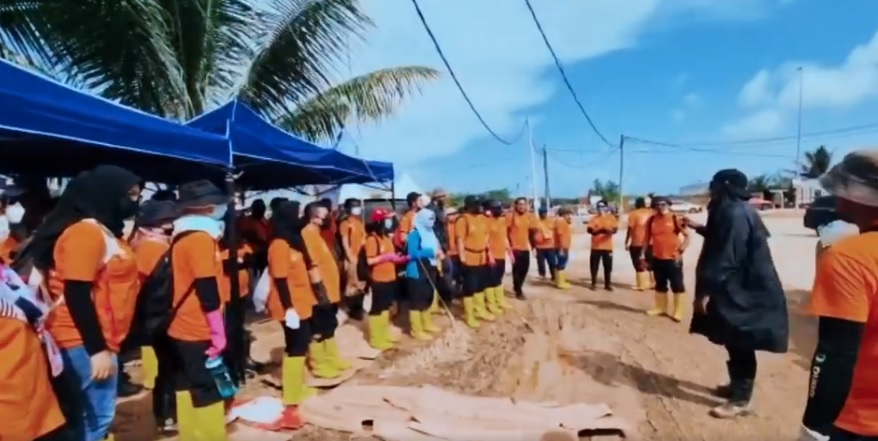
When floodwaters began receding around December 19 and 20, HRD Corp was among the first agencies under the Human Resources Ministry to mobilise a large team for aid distribution and clean-up efforts in the Klang Valley and other areas that were hit by the disaster.
Ariff said on the first day of deployment, 40 HRD Corp staff were split into three teams covering Taman Sri Muda in Shah Alam, Kg Kubur Gajah and Saujana Aman in Sg Buloh, and Kg Johan Setia in Klang.
He said by the eighth day of HRD Corp’s volunteering on the ground, the total manpower ballooned to about 150 people, including friends of the agency and students from Mahsa University who helped in clean-up efforts in Taman Mentakab Indah in Pahang. Other places covered included Taman Sri Nanding and Sg Lui in Hulu Langat, Selangor.
Ariff said HRD Corp had handed out some RM160,000 worth of aid to flood victims, but all of this was not from its annual allocation as it was governed by the Pembangunan Sumber Manusia Bhd Act 2001.
“We are not allowed to use the training levy or any kind of funds that we have for anything other than training. We did not touch any of our core funds, whatever funds that we have are all raised through friends, family and also our top management, board of directors, and minister (Datuk Seri M. Saravanan).
“And we had a lot of good people who owned restaurants, who gave us hot food, in every area that we went. We had at least 1,000 packs of hot food to be distributed.”
He said last week, HRD Corp also delivered 100 gas tanks and stoves to flood victims, thanks to the kind donations received.
“I think the whole experience has taught our staff and our volunteers a lot, and I think it will put them in good stead as volunteers in the future for any kind of disaster.
“What we learned the most was that as a government agency, you do not have to wait for instruction. We were very lucky. We had a minister and a chief executive who empowered us.” – The Vibes, January 9, 2022