
SANDAKAN – Sabah generated RM1.8 billion from palm oil exports – the largest amount reaped from the product in the country – thanks to the massive planting of the cash crop on the state’s east coast.
Although billions of ringgit are generated from the boom, most of the folks, especially in Tongod, Telupid and Beluran, are still living in abject conditions.
As a matter of fact, these are the poorest districts in the country. Villagers live without proper water and electricity supply.
However, the boom in the oil palm sector after the pandemic has not provided any kind of steady employment to locals.
Raymond Kindi is one of them. The 34-year-old native of Beluran had to work two jobs to survive in the east coast district, which is almost the size of Kedah in the peninsula.
Kindi is paid RM1,500 monthly to work as a mechanic at a local workshop, and in his spare time he repairs smartphones.
The self-taught smartphone technician said he is able to earn RM50 for each phone he fixes.
“All of my peers are like me. If we want to stay in our hometown, we have to accept that we are not going to earn that much.
“You want a RM2,000 to RM3,000 job? You have to move to Kota Kinabalu,” he said.
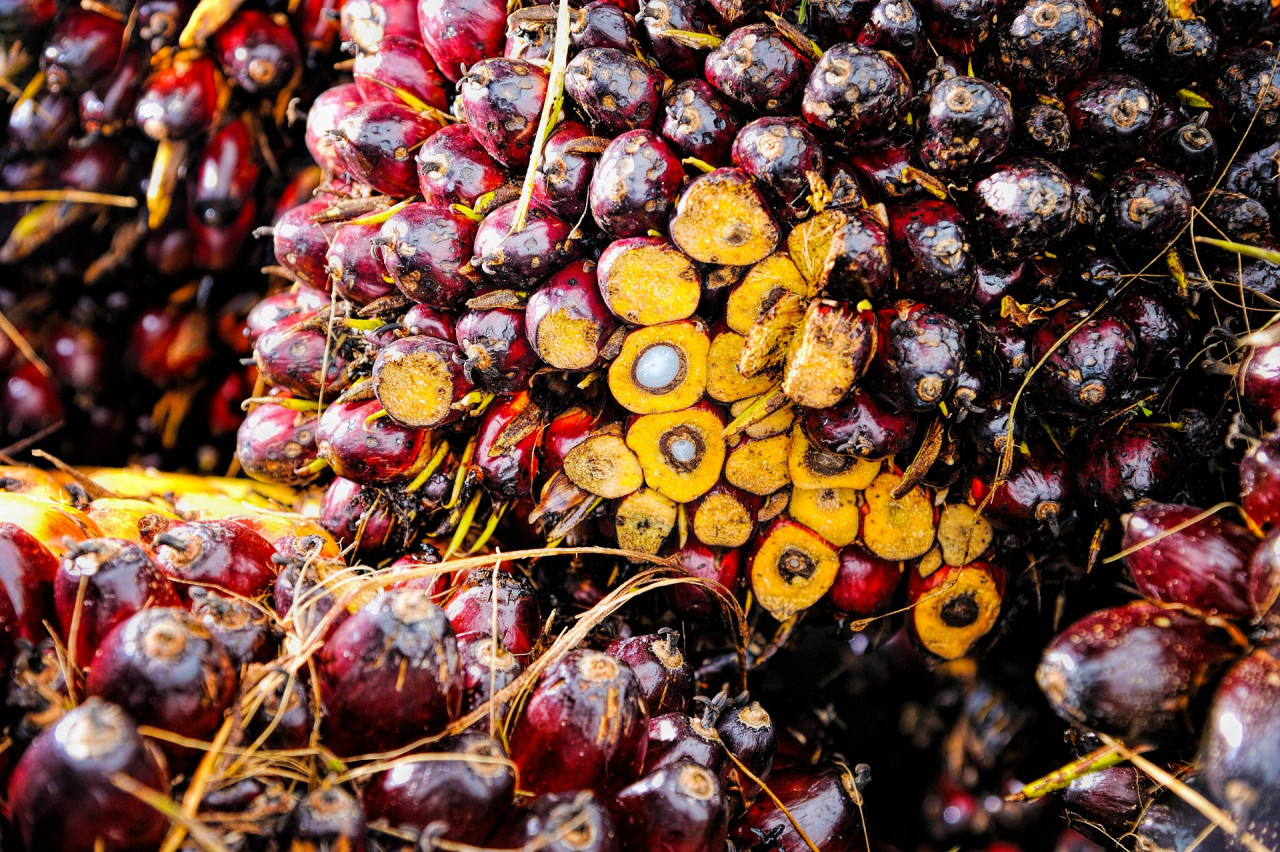
Where have the millions from palm oil gone?
Giant palm oil companies in Sabah produced five million tonnes of palm oil in 2020 or about 6% of the global output, making the state the second largest oil palm producer in Malaysia, after Sarawak.
Cultivation of oil palm stood at 1.544 million hectares, which is 21 times the size of Singapore, employing 220,000 workers, mostly foreign, and contributing around RM1 billion to the state coffers annually.
The industry is dominated by giant companies like Wilmar International, QL Resources, Kuala Lumpur Kepong, IOI Corporation, Genting Plantation, Sime Darby, and federal government-linked companies like the Federal Land Development Authority in Lahad Datu.
Only a fraction of around 20% to 30% is from the smallholders. Districts like Tawau, Lahad Datu, Kinabatangan (Tongod), Kalabakan, Semporna, and Kunak account for 65% of the total planted areas in Sabah and 75% of the state’s produce.
Despite the massive wealth generated from the oil palm sector, many of the districts, namely Tawau, Kinabatangan, Sandakan, Telupid, Lahad Datu, and Beluran, remain backward and poor, although the sector has been in existence for over two decades in Sabah.
Aid for locals a hindrance to investments?
The Plasma Programme was introduced in 2007 by the Indonesian government to encourage plantation owners to provide economic and social aid to the communities where their estates are located.
Companies were made to allocate one-fifth of their land to smallholders to toil and improve their economic and welfare standing.
However, Indonesia abolished the scheme in May 2020 after it was found to be a hindrance to investments.
In Malaysia, companies are encouraged to do corporate social responsibility (CSR) initiatives, but to only little effect.
An industry source told The Vibes that no amount of CSR could help the communities. Firms come to Sabah to earn a profit.
We pay taxes, including billions of ringgit of it. Where has all this money gone? Are they not to help the people in terms of infrastructure, education, and health?
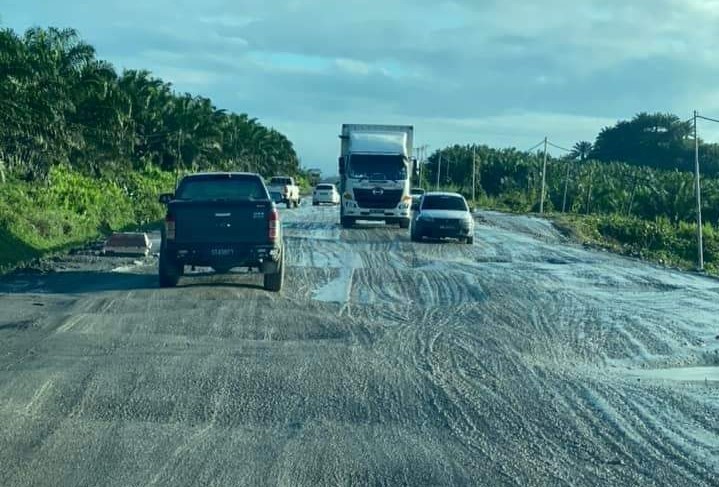
“Instead, we built the roads around here and the locals benefited from them,” said the source.
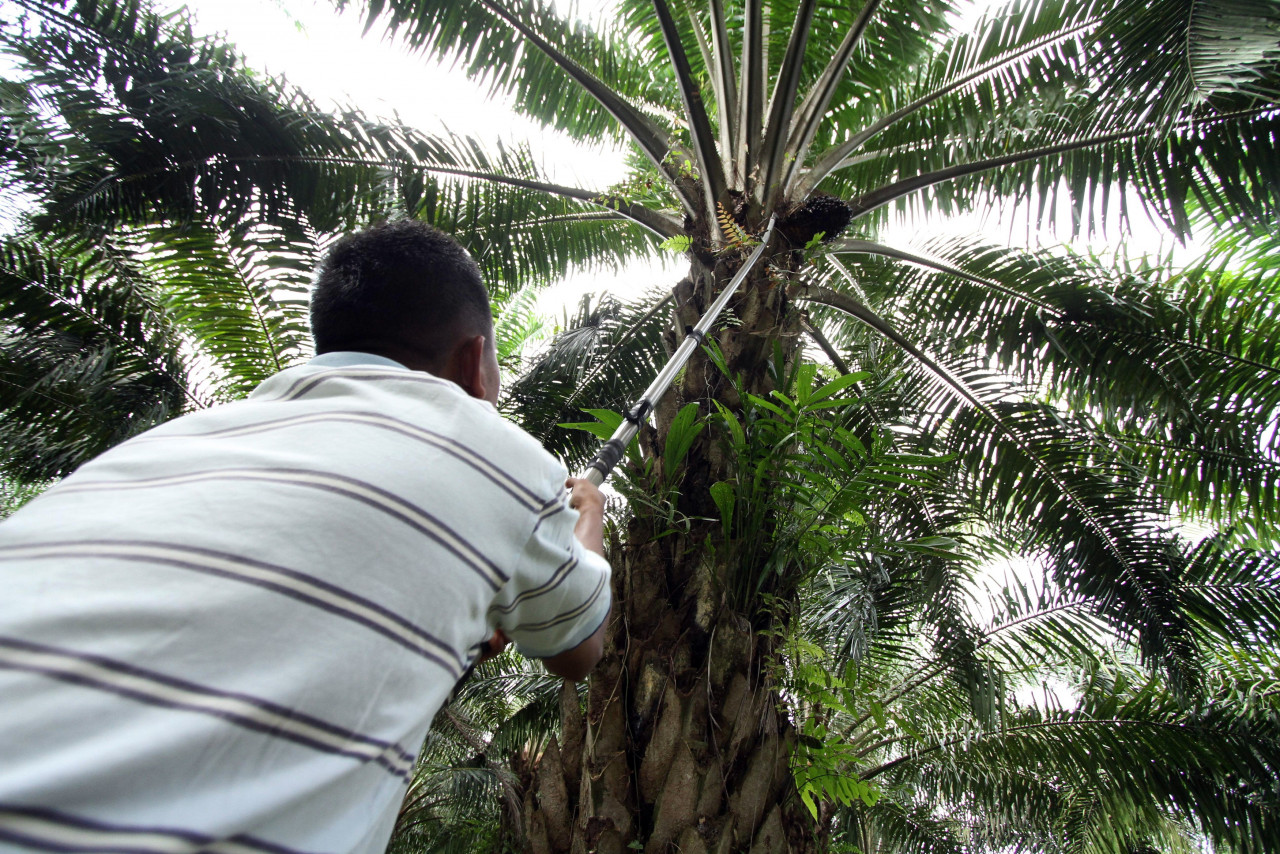
Lucrative job opportunities wanting
Research done by postgraduate student Nuraffizah Roslan has shown that youth, especially young women, are keen to work in oil palm estates.
This is contrary to the industrial notion that locals refuse to work in the “3D” sector, where the tasks are “dirty, dangerous and difficult”, she said.
“It is almost like a dream job for women here. They want to work as clerks, administration officers, or any office jobs in the palm oil estates because these large palm oil companies pay well and offer many benefits too.
The problem is not that the locals are not keen. The problem is that there are not many jobs available,” she said.
Nuraffizah added that there are limited vacancies for men. However, oil palm players claim they face a shortage of workers and have called for the government to source foreign workers, she said.
“At this point, I am starting to doubt. Are the locals choosy and don’t want to work in estates? Or are the companies choosy and don’t want to hire locals?” she said.
‘Rich’, but not quite
For some smallholders, the boom of oil palm after the pandemic has been quite good for them.
Will Izaak from Tongod said a lot of families earned quite a bit from the recent rise in palm oil prices by planting within 10 to 30 acres.
But despite windfalls, many of them still live without basic amenities like water and electricity, as well as the internet.
Even with good income, youth in this village still consider leaving this place for Kota Kinabalu, or even Kuala Lumpur, because we don’t have basic infrastructure and facilities. Imagine raising your children without electricity and water?” he said.
Such lack of amenities has become among many reasons many of the locals in the area decide to sell their land to companies, according to industry sources.
Izaak said that if there is excess land under native titles or native customary land rights, then the government can form cooperatives with the involvement of the natives and the palm oil companies.
Unfortunately, he stressed, many natives have sold their lands.
“But this is oversimplifying the situation. There are a multitude of issues involved (with land titles) and it is not fair to narrow them to one or two. No point in looking retrospectively. Move forward instead,” he said.
“The question is – is there a political will free from self-interest to drive this?” – The Vibes, June 13, 2022