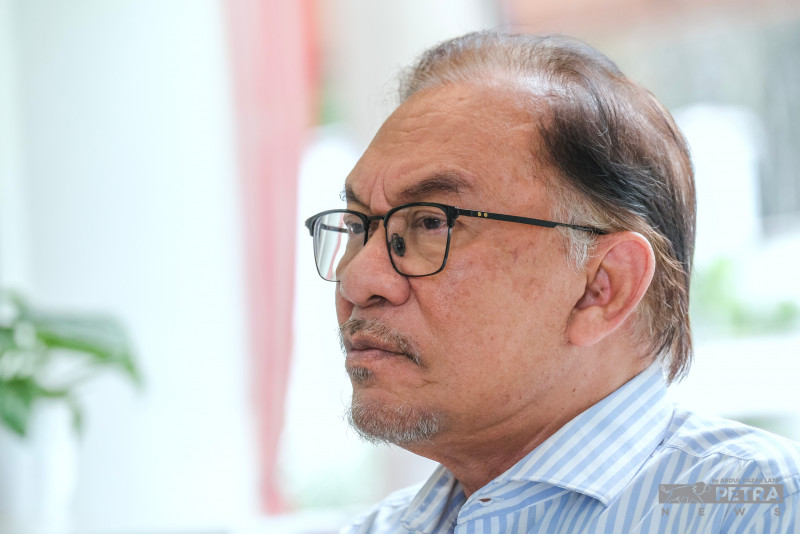

KUALA LUMPUR – The grand hall of the Dewan Rakyat is set to become the centre stage of the country’s attention this afternoon as Prime Minister Datuk Seri Anwar Ibrahim tables a revised version of Budget 2023 before his fellow MPs.
It could not have come at a more critical juncture for the less than 3-month-old unity government, which is set to face vital elections in six states this year – its first true test of public support.
While Anwar may be tempted to offer a plethora of goodies to get support on his side, in the grander scheme of things the Pakatan Harapan (PH) chairman ought to focus more on uplifting the economy and addressing the critical state of several key sectors.
This is particularly crucial in anticipation of a rough global economy and as the country continues its recovery from the financially draining Covid-19 pandemic that took away countless Malaysians’ sources of income.
For Anwar, who is finance minister, no other point in his tenure since his appointment as the head of government has seen the weight of expectation fall on his shoulders this heavily.
The poor and ‘new poor’
Certainly, at the forefront of most minds would be how the prime minister attempts to address the perennial issue of poverty and financial hardship faced by B40 households.
Already, there have been indications that the government would do away with blanket subsidies on a number of goods in favour of targeted ones. But how much this would actually imbue a sense of financial security remains to be known.
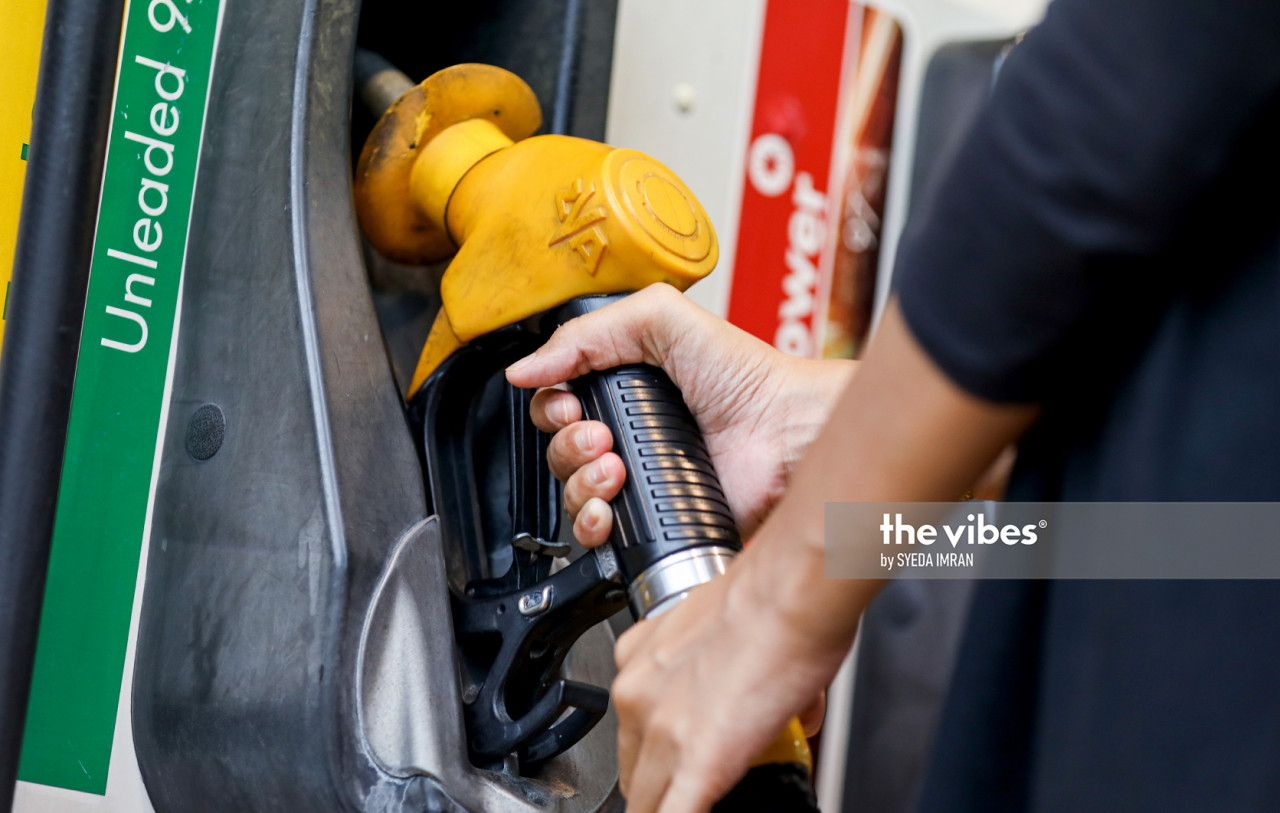
There is also the question of how middle-income groups would be affected should they be omitted from the list of individuals qualified for subsidies and social assistance.
After all, these are the income earners who are aptly dubbed the “new poor” – making just enough money to miss out on government incentives but not enough to have a stress-free standard of living.
Anwar has said that he has no intention of introducing any broad-based consumption tax in the near future, which should at least offer some relief to all Malaysians.
But with sustained inflation and the rising cost of living – the country’s headline consumer price inflation is projected to moderate between 2.5% and 3% this year – the public would be forgiven in hoping for more aid, be it in the form of direct assistance or tax relief.
Grave state of health sector
With the country seemingly successfully recuperating from the Covid-19 pandemic, the government is also highly expected to finally focus on the dire state of the country’s healthcare system.
There has been no shortage of media reports highlighting the grave issues affecting what is supposed to be one of the most important government sectors.
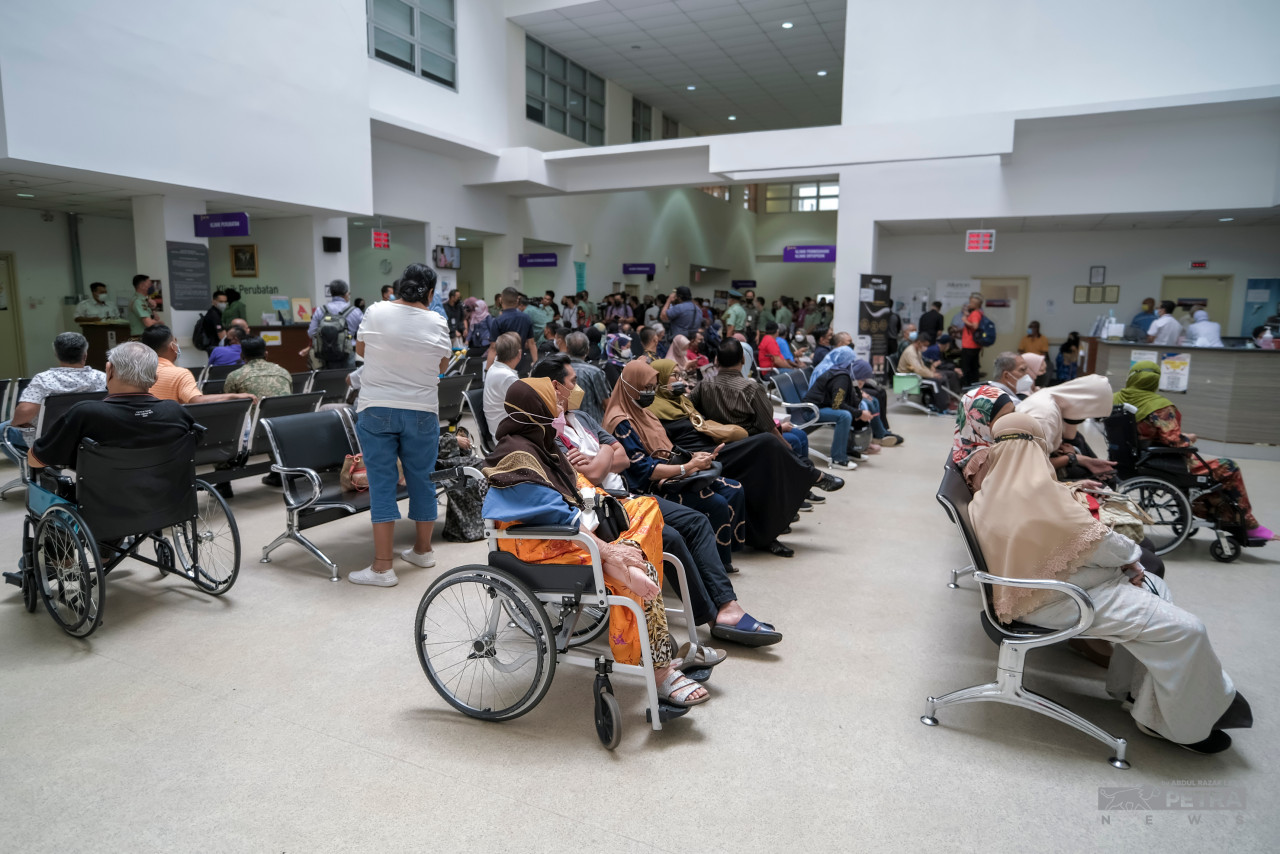
Severe staff shortages, long queues, insufficient beds, and months-long waiting times for appointments are just a few of the issues currently plaguing the sector.
Many medical officers also appear to be quitting the fraternity while others are threatening to strike amid swelling anger in the public health service over difficult working conditions.
These problems underscore just how deeply the Health Ministry needs additional allocation.
While the government may be forgiven previously for placing its focus on Covid-19 – which has taken away much of the national budget and focus on other health issues – there should not be any excuse now.
Challenges in the education sector
On the education front, there have been growing calls for an updated syllabus and curriculum to be made so that they are more in line with present needs – crucial in the bigger context of producing a more competent future workforce.
There is also the long-standing issue of dilapidated schools nationwide, with over 300 having been identified as needing immediate upgrades and repairs.
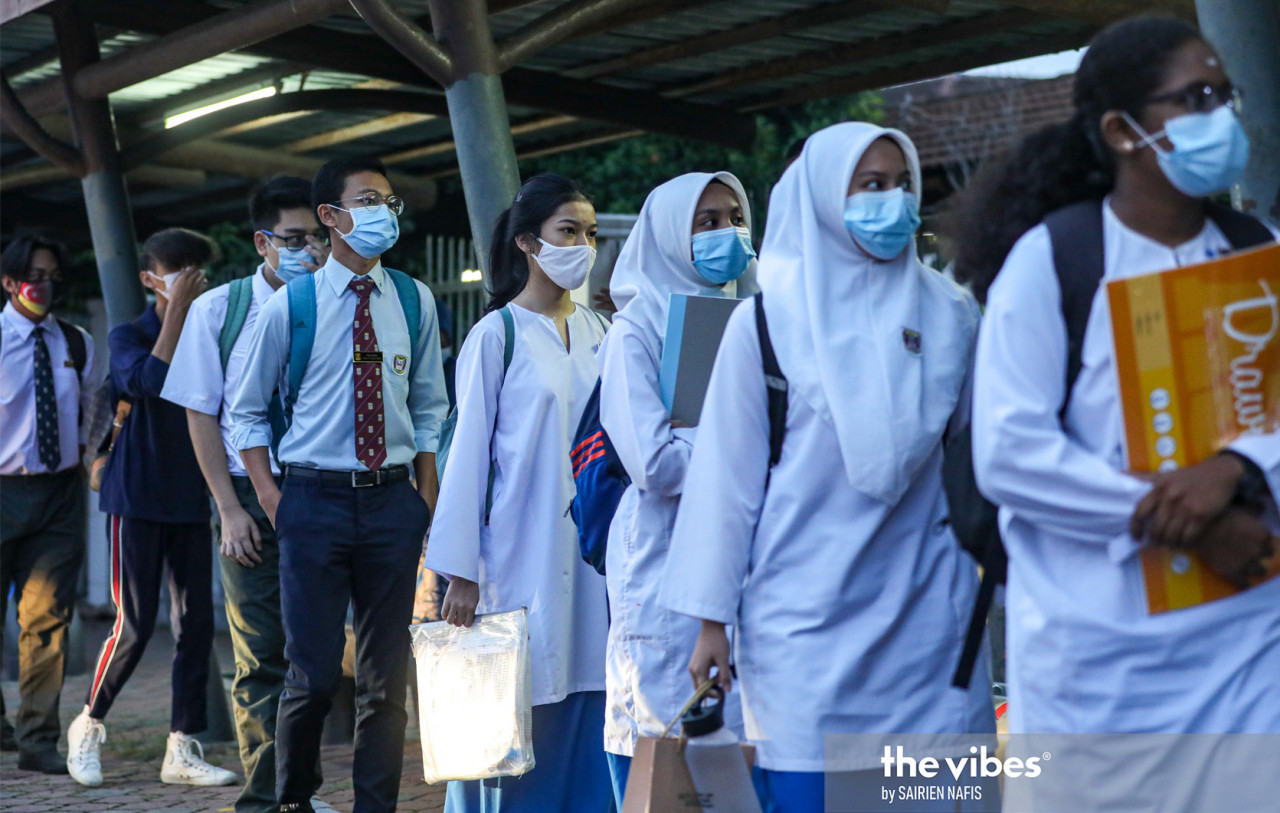
Former education minister Maszlee Malik had previously set up an online dashboard during his brief time in office to keep a close eye on such progress, but this has appeared to be on the back burner since the pandemic.
As for higher education, two pressing issues that immediately come to mind are the lack of government funds being channelled to public higher learning institutions.
This has raised concerns about the quality of local graduates, and the need for financial injection to realise the country’s push for digitalisation of the education system.
Anwar would do well to address all these critical concerns – having helmed the education portfolio himself for five years from 1986 to 1991 – and having been the 25th president of the United Nations Educational, Scientific, and Cultural Organisation’s general conference.
Improving essential infrastructure
One other pressing focus of attention that has long been unresolved is issues concerning the country’s essential infrastructure, particularly in the more rural areas.
These have persisted despite perennial complaints concerning road connectivity and the lack of water and electricity supply in the more socio-economically disadvantaged areas and the outskirts of major cities.
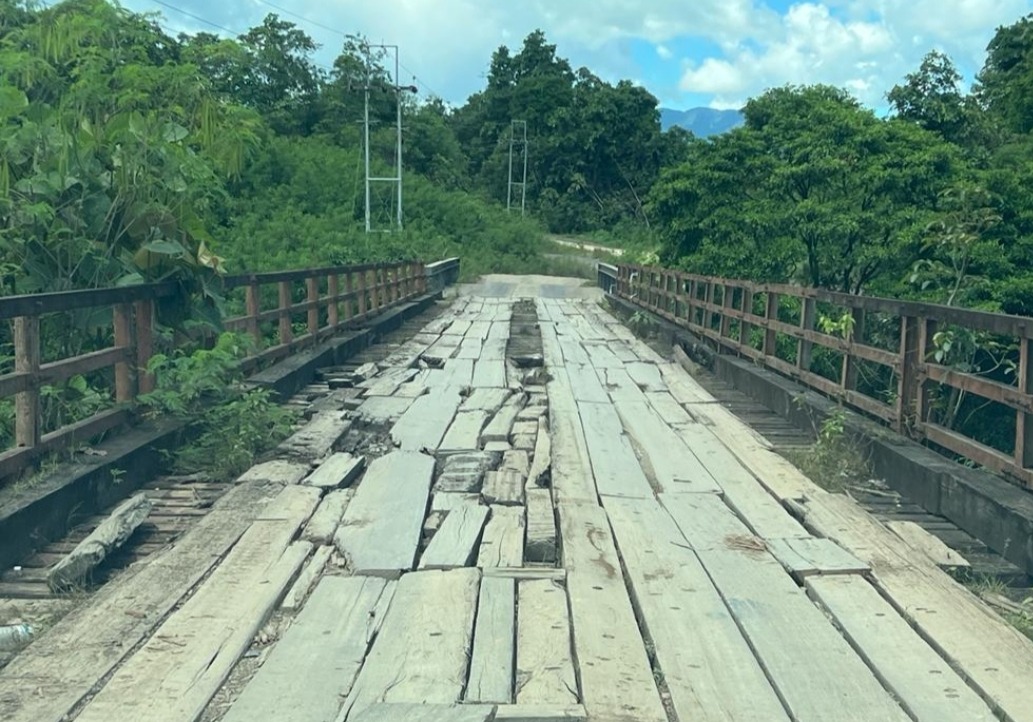
Reports of collapsing bridges and social media posts showing schoolchildren and teachers risking life and limb to get to school due to the lack of proper connectivity should be enough to attract Anwar’s attention to finally act on these complaints.
Beyond this, there is certainly also a desire to see the authorities act on the nation’s constant water supply issues.
The government though should be credited for already taking steps to amend the law to increase the penalty for pollution, one of the main contributors to water supply disruptions. – The Vibes, February 24, 2023







.jpg)
.jpeg)