
KANGAR – A former Perlis political and government leader is lobbying Putrajaya to legalise the planting and trade of the ketum plant despite the existence of narcotic elements in it.
Datuk Seri Zahidi Zainul Abidin said that the huge market for ketum in Thailand provides an opportunity for Malaysia’s northern states to supplement their normal agriculture activities by growing and exporting this plant’s leaves as cash crops across the border.
“What I am trying to do is help generate additional revenue for both the public and private sectors,” said Zahidi, who was formerly MP for Padang Besar next to the Thai border and also a Perlis executive councillor for a term.
“I believe that if we get the economy back on a higher growth threshold, politicking would be reduced,” he added, referring to the attempts to ensure political stability in Malaysia.
Ketum is predominantly found in the northern climate states of Perlis, Kedah, and Penang with some in Perak.
Known scientifically as mitragyna speciose, it is a plant in the coffee family historically used as a herbal medicine to expel gas from the body, but it does possess some narcotic after-effects.
The rise in the ketum business has come in tandem with government approval in Thailand for the recreational use of cannabis in selected cafes.

Recreational cannabis has become a hit among tourists visiting the kingdom since last year with various places seeing the mushrooming of cafes offering cannabis.
Zahidi’s conviction about benefiting from the ketum business is strong despite objections from former prime minister Tun Dr Mahathir Mohamad, who considers it essentially an addictive narcotic drug.
On January 30, Deputy Prime Minister Datuk Seri Fadillah Yusof had said that the Plantation Industries and Commodities Ministry is looking at the medicinal potential of cannabis and ketum plants.
Fadillah, who is also plantations and commodities minister, said discussions would be held between his ministry and the Health Ministry on methods of controlled cultivation and production of cannabis and ketum should they be allowed to be grown for medicinal purposes in this country.
It was also reported that a farmer in Kedah made a gross income of about RM60,000 per month just from selling ketum water.
Data from 2016 showed that some 400 tonnes of ketum were exported from Asean to the United States monthly, with the business worth about US$130 million (RM529 million) annually.
In Malaysia, mitragynine, the active compound in ketum, is categorised as a psychotropic substance and regulated under the Poisons Act 1952.
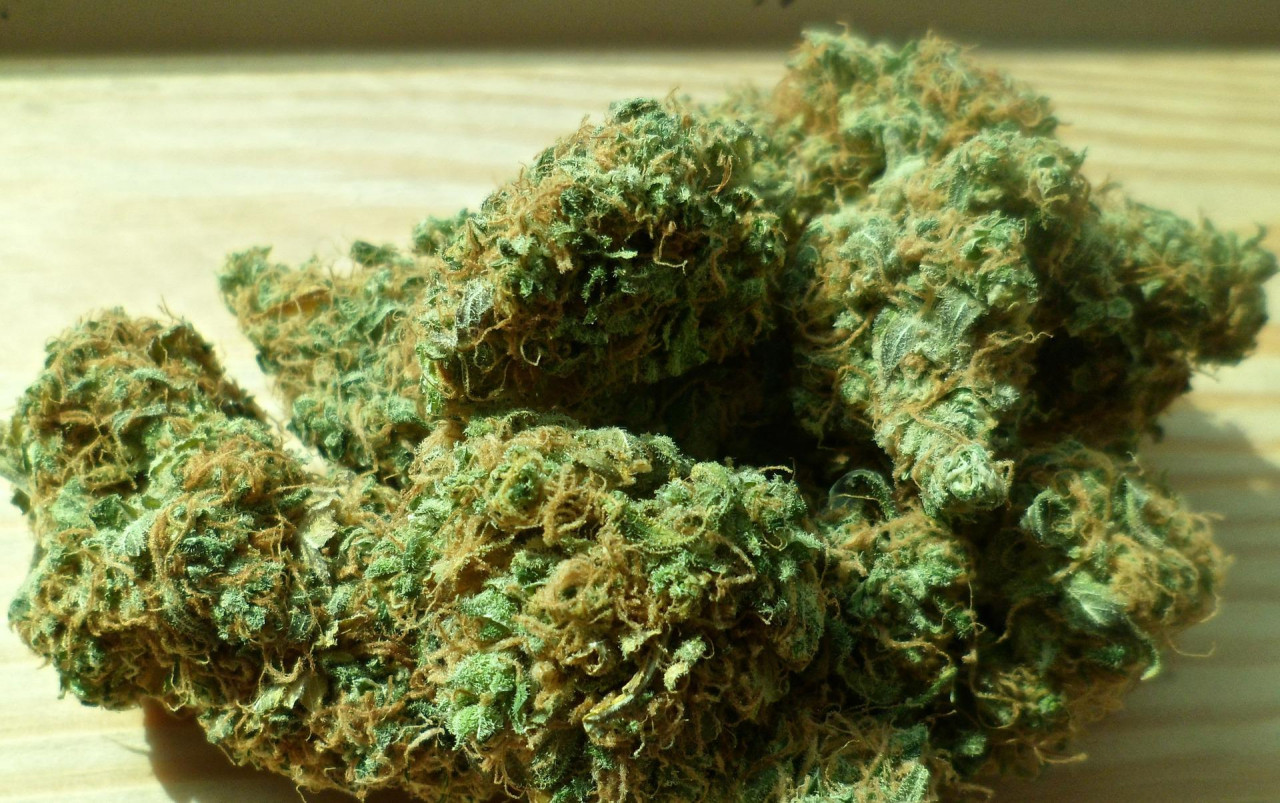
Based on Section 30, the importation, export, manufacturing, sale, and possession of psychotropic substances are considered an offence and a person who is convicted can be fined up to RM10,000 or be slapped with four years of imprisonment, or both.
Although he was dropped as a parliamentary candidate and eventually expelled from Umno, Zahidi said that he will continue his political struggle.
He has now set his sights on joining Amanah, a component of the ruling Pakatan Harapan (PH) coalition.
Stressing that he has moved on after the bitter experience of leaving Umno, Zahidi, who formerly also served as a deputy multimedia and communications minister, said that he will help the government to push through the proposed digital tax on e-commerce items.
The plan is to tax those who conduct online shopping, particularly for luxurious items.
He said that he also can play a role in educating the masses about online shopping.
Zahidi also said that he has approached the Agriculture and Food Security Ministry to conduct a study on how to lower the prices of raw food, as it can eventually also help the people mitigate the rising living costs.
“I have been entrusted with doing a case study, which I am doing as it can help us drive down prices, contrary to current conditions where global inflation has sent food prices skyrocketing,” he said. – The Vibes, March 2, 2023