ISKANDAR PUTERI – Police in many parts of the world resort to force – sometimes excessively and unlawfully. While infrequent, Malaysia has experienced cases where detainees have died in custody.
Human rights group Suara Rakyat Malaysia (Suaram) has raised concerns about the alleged excessive use of force by the Royal Malaysia Police and the ill-treatment of detainees, as well as the lack of accountability and transparency.
The group released a Human Rights Report, which revealed that 21 deaths in police custody were recorded by the criminal investigation unit on deaths in custody in 2022.
This unit was founded in 2022 to investigate deaths in police custody under the Royal Malaysia Police’s integrity and standards compliance department. It is managed by 13 police officers and one public official to investigate any elements of crime or negligence regarding every death in police custody.
According to Suaram, of the 19 cases investigated by the unit, only one led to the prosecution of two police officers and two detainees for voluntarily causing hurt.
Malaysia will implement the Independent Police Conduct Commission in July 2023, which is intended to investigate and address allegations of police misconduct and promote accountability, while ensuring adherence to human rights.
The introduction of the bill has sparked significant conversations as it is said to lack the authority to uphold police accountability, defeating its purpose.
Forensic psychology – the practice of psychology in the justice system – offers a way to address Malaysia’s issues with police violence.
Forensic psychology has provided expertise in enhancing police practices. Researchers and practitioners have come to understand that reactive policing strategies of the past were not effective in crime prevention, and even led to miscarriages of justice, eroding community trust in policing.
Implementation in Malaysia unprecedented
There is now a drive for law enforcement agencies to become more proactive and data-driven, which has led to the emergence of an evidence-informed model of policing.
Psychologists help law enforcement agencies collect and understand data on their officers’ behaviour – data that can encourage policy change to tackle police use of excessive force and unconscious bias.
In the United States, there is evidence to suggest African-American men are 2.5 times more likely than white men to be killed by police. This disparity is largely due to implicit biases. As a result, implicit bias training programmes were introduced to help officers better manage their biases, change their behaviour, and track their progress.
Although the integration of psychology in policing is not a novel concept (for instance, in countries such as the United Kingdom and the Netherlands), its implementation in Malaysia is new.
Despite the prevailing sense that the Malaysian police force is not open to change, the force is receptive to the integration of psychology in policing, as seen by its efforts to engage with non-governmental organisations and academic institutions in recent years.
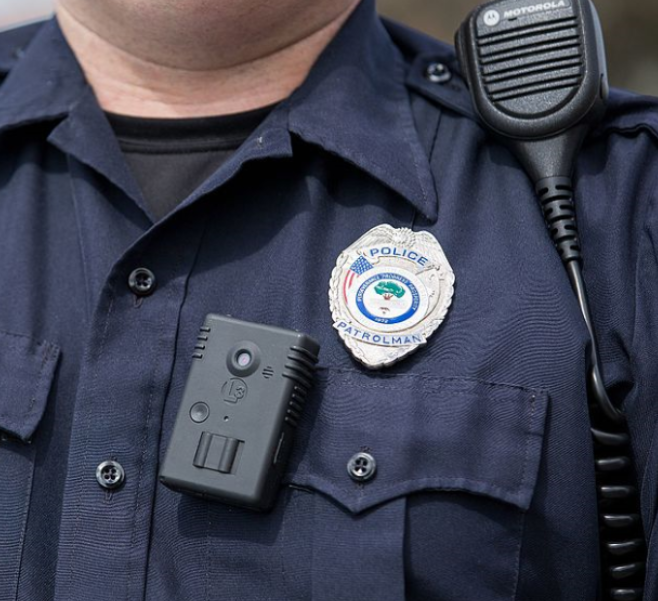
Technology used in crime fighting can also be used to promote police transparency and improve objectivity. With an allocation of RM30 million, Malaysia is looking to equip its police officers with body cameras.
However, camera angles can alter our perception of a filmed police encounter; psychology research has shown that video footage that focuses on the citizen can lead to the citizen being seen more negatively than if the footage showed just the officer or both parties.
With the implementation of police body cameras, the use of video evidence will increase in court cases, and more research is therefore needed to identify potential biases among video viewers.
While this marks a positive beginning, forensic psychology in Malaysia still has a considerable journey ahead. One reason is that forensic psychology has yet to permeate the psychology and law curricula.
Research in forensic psychology primarily draws on samples from Western contexts, thus posing theoretical challenges when applying these findings in Malaysia. Most police work is concerned with human behaviour; and given that context and culture shape human cognition and behaviour, it is essential to generate more context-specific publications to justify psychology-informed policies in policing.
Negotiating entrenched sensitivities, beliefs
It is also important to consider Malaysia’s multicultural aspects and idiosyncrasies, as well as its deep-seated beliefs. For example, in a country like Malaysia where the “spare the rod and spoil the child” mentality is deeply embedded, the use of physical force or violence is normalised through its routine and trivial use.
Despite efforts by the United Nations to prevent corporal punishment, it is still widely accepted in Malaysia, legally and culturally. When a female government minister advised husbands to physically discipline their wives, it highlighted the urgency of promoting progressive attitudes that violence should not be tolerated.
Malaysia remains a state member that has not acceded to the UN Convention Against Torture, signifying its unreadiness to commit to becoming a torture-free nation.
The psychological literature teaches us that social motivations are essential for achieving cooperation within an organisation or community.
Following principles of fairness and transparency, giving officers a voice and treating them with respect within their department when handling complaints and disciplinary proceedings would also help reduce police isolation, which in turn leads to increased officer well-being.
The more officers feel they are treated fairly within their organisation, the more likely they will enact these principles in their interactions with the public, resulting in improved community relations.
Recognising stress in police officers is crucial, especially when PTSD symptoms have been shown to be linked to abusive policing. Knowing the signs of mental distress and having support will assist police to do better. More partnerships between mental health organisations and law enforcement agencies are urgently needed in Malaysia.
Promoting greater diversity can also help address existing inequalities and enhance effectiveness. Recent efforts to recruit ethnic minorities into the police force can help lead to a more diverse, inclusive, and equitable environment that promotes tolerance and respect, which are keys to preventing violence in a multiracial country like Malaysia.
Integrating forensic psychology within Malaysia’s policing framework has immense potential to strengthen the institution, which needs to regain public trust.
Ultimately, the aim should be the cultivation of both the police force and the community’s understanding that forceful methods do not necessarily result in less crime. Police practices that respect basic rights would lead to greater trust in the community and cooperation between the two. – 360info, June 15, 2023
Magdalene Ng is a psychology lecturer at the University of Westminster, UK. Ng is currently researching the role of technology in investigative interviewing and digital forensics in investigations
Kai Li Chung is an associate professor and head of psychology at the University of Reading, Malaysia. Her research interests include the psychology of investigative interviewing and dark personality traits
Published under Creative Commons and in partnership with 360info.org