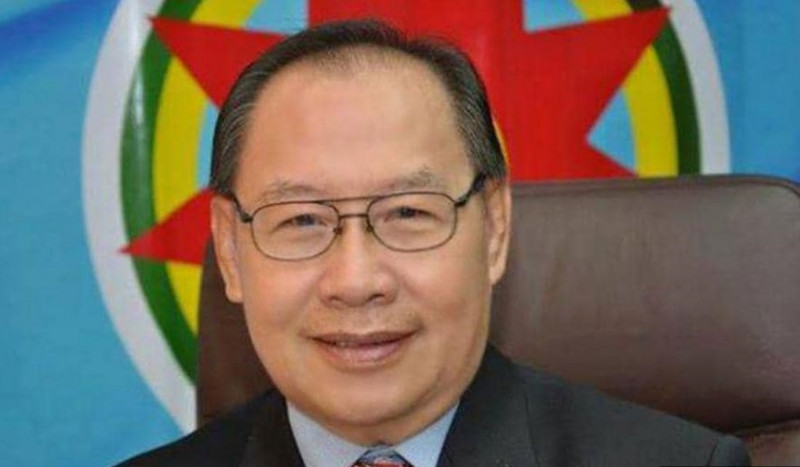
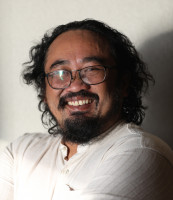
KUALA LUMPUR — A Sabah member of parliament said Sabah would have not have its padi yield adversely affected in 2022 if Putrajaya had met all the state's needs.
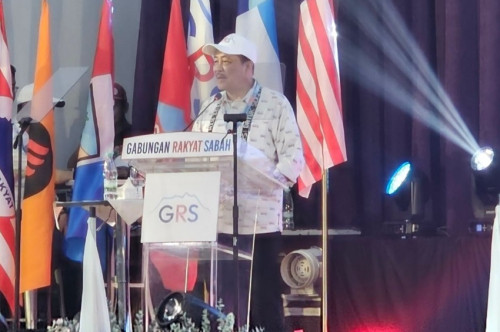
Datuk Seri Jeffrey Kitingan (Keningau-GRS) said Sabah’s rice self-sufficiency level (SSL) stood at 22.04% in 2021 but a slew of cuts and late deliveries of much-needed items like fertilisers had also impacted padi yield in 2022.
The Sabah deputy chief minister said the Sabah Farmers’ Organisation records showed that the supply of 1,830.38 metric tonnes of fertiliser was cancelled by the federal government in 2022. They included 557.1 metric tonnes of fertilisers and 1,492.65 metric tonnes of NPK fertilisers.
“Meanwhile, 145.38 metric tonnes of fertiliser were delivered late, with some arriving after the rice had been harvested.
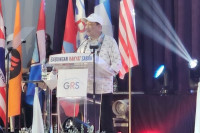
“The situation has caused farmers to not receive fertilisers and, consequently, impacted rice production due to insufficient nutrient supply,” he said in his 12th Malaysia Plan Mid-term review debate.
Jeffrey also said the federal government had also fallen short of the state’s actual requirement of getting 320 units, comprising 160 ploughs, 80 tractors and 80 planters.
Instead, Sabah received only 13 ploughs and seven tractors, rendering Sabah’s inability to cultivate the 8,000 hectares of active paddy fields last year, he said.
“The combined cost for these 320 units of machinery amounts to RM59.2 million. It is noteworthy that the amount pales in comparison to the RM50-60 billion revenue Petronas and Putrajaya garnered from the extraction of oil and gas resources in Sabah.
“For the sake of clarity, it is important to point out that RM59.2 million represents just 0.9% of the reported RM6.53 billion collection (of revenue) from Sabah in 2022 as reported by the Inland Revenue Board,” said Jeffrey, pointing out the amount was disclosed by the Deputy Finance Minister in parliament earlier.
Still, Jeffrey said Sabah has the potential for increasing its rice yields as the state’s average rice production is 3.44 metric tonnes per hectare, closer to the national average of 4.12 metric tonnes.
He said the state would easily improve its yields if Putrajaya had not neglected the machinery and agricultural inputs and also provided sufficient aid.
Jeffrey also said Sabah was also not given allocations for the maintenance of irrigation and drainage systems since the state does not have a “rice bowl” status.
According to him, padi fields outside of the rice bowl area stood at 18,425.28 hectares and in addition to this RM23 million is required for the liming process.
He also said padi planters outside the rice bowl area are not eligible for government aid and any aid is limited to only six acres.
Jeffrey also pointed out the federal government allocated RM4,522,366.44 to Sabah under the abandoned padi field rehabilitation programme but received zero funding under the 12th Malaysia Plan.
Sabah currently has 8,602.52 hectares of abandoned padi fields, which requires RM166 million to revive.
Jeffrey said the revival of these abandoned padi fields can contribute to the increase of Sabah rice SSL by 6.5%.
He also said an additional allocation of RM16.91 million to the dryland rice development could also help Sabah to increase rice SSL by 7%-10%.
In light of the recent surge in imported rice prices, Sabah has unveiled a strategy to revive the Sabah Padi Board, aiming to achieve a 60% SSL by 2030.
This move is prompted by the escalating costs, particularly for imported rice, which forms a significant portion of the state's rice supply. Currently, Sabah imports around 310,000 tons of rice, including its reserve stockpile. — The Vibes, September 15, 2023





.jpeg)