
IN 2017, a fire that ravaged Grenfell Tower in London, snatching away 72 innocent lives, laid bare the British government’s shortcomings – it knew of the impending disaster but failed to act, and was slow to react when catastrophe struck.
After the flames were put out, the working-class residents of Grenfell Tower came out in numbers to help one another and at least provide basic necessities, proving anarchy can work.
As British poet Benjamin Zephaniah put it: “They say anarchy is impossible, it can’t work. The government left the people on their own. And the people went, alright, you organise this and that, you do this and that.
“That is real anarchy in action, and it shows people can work together when they really need to.”
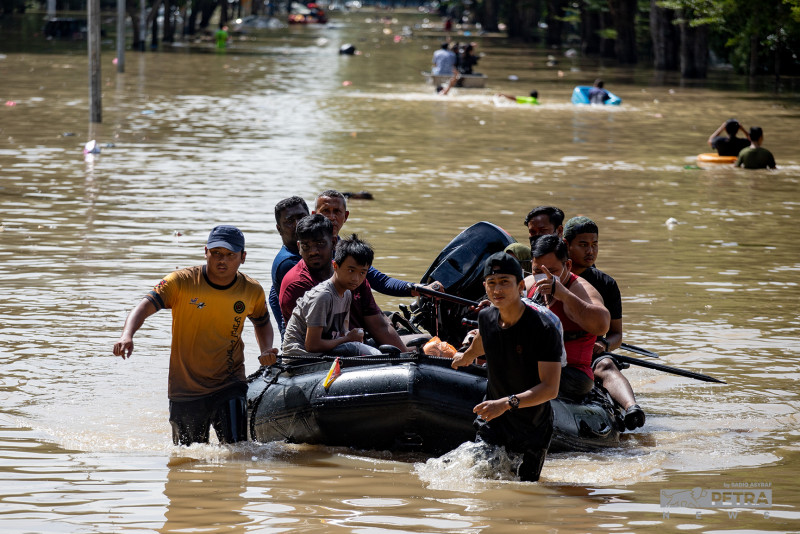
Four years later, what the world saw in London repeated itself in front of our very own eyes in Malaysia, as the rakyat came to the rescue of the rakyat.
On December 18, non-stop heavy downpours in parts of Malaysia saw rising floodwaters wreaking havoc on homes, people, and property.
As the sun set and the skies darkened into night, the rain continued and panic among flood-hit residents intensified.
On Twitter, thousands of tweets highlighting the severity of the situation were made by concerned netizens, all while two political parties within the government were raising glasses in the comfort of hotel banquet halls for their respective meetings.
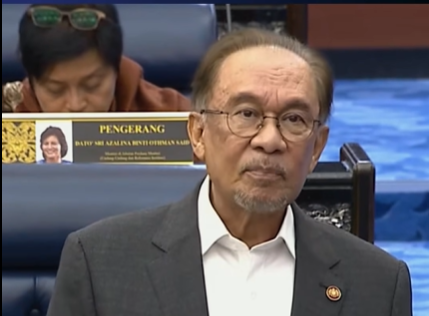
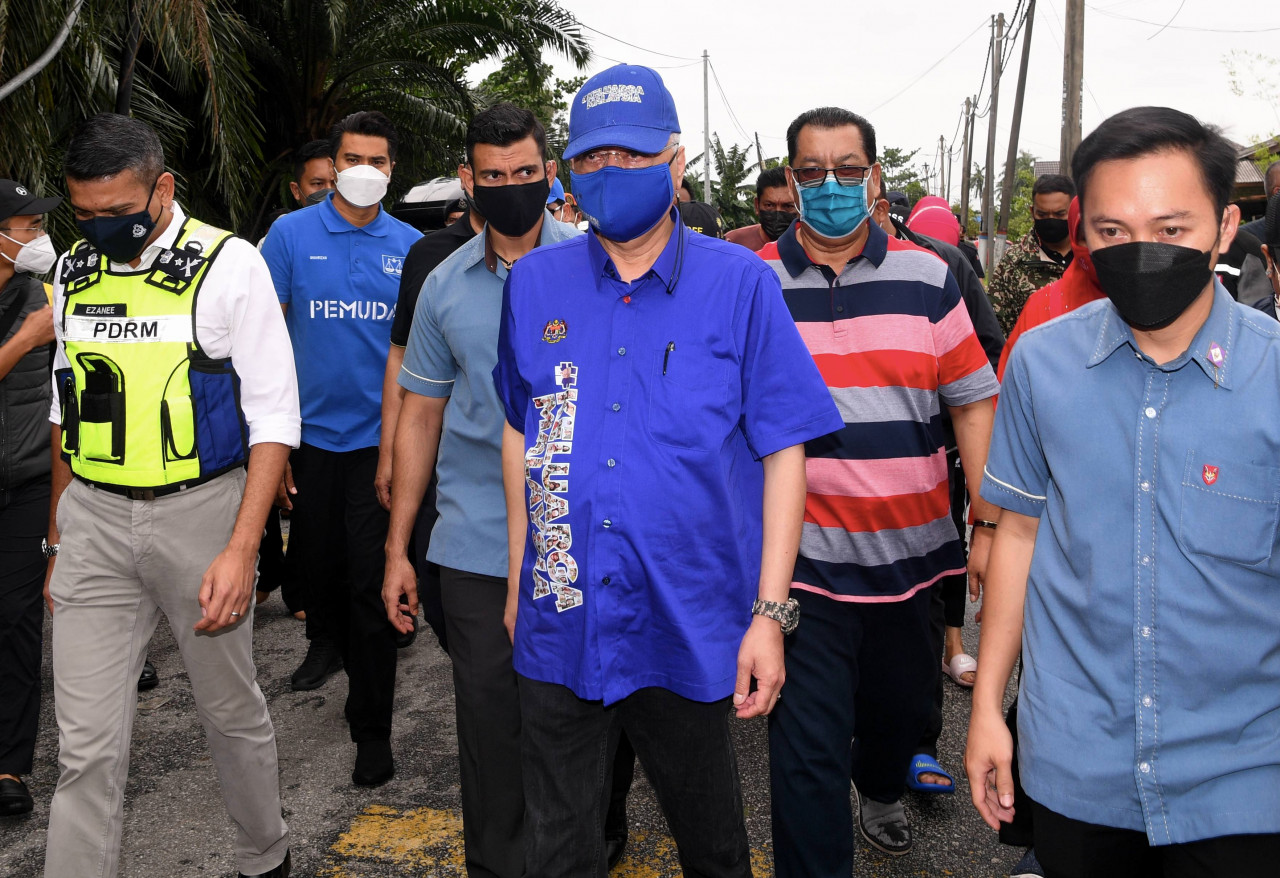
It was not until close to midnight that Prime Minister Datuk Seri Ismail Sabri Yaakob finally addressed the nation in a press conference that barely lasted more than 10 minutes.
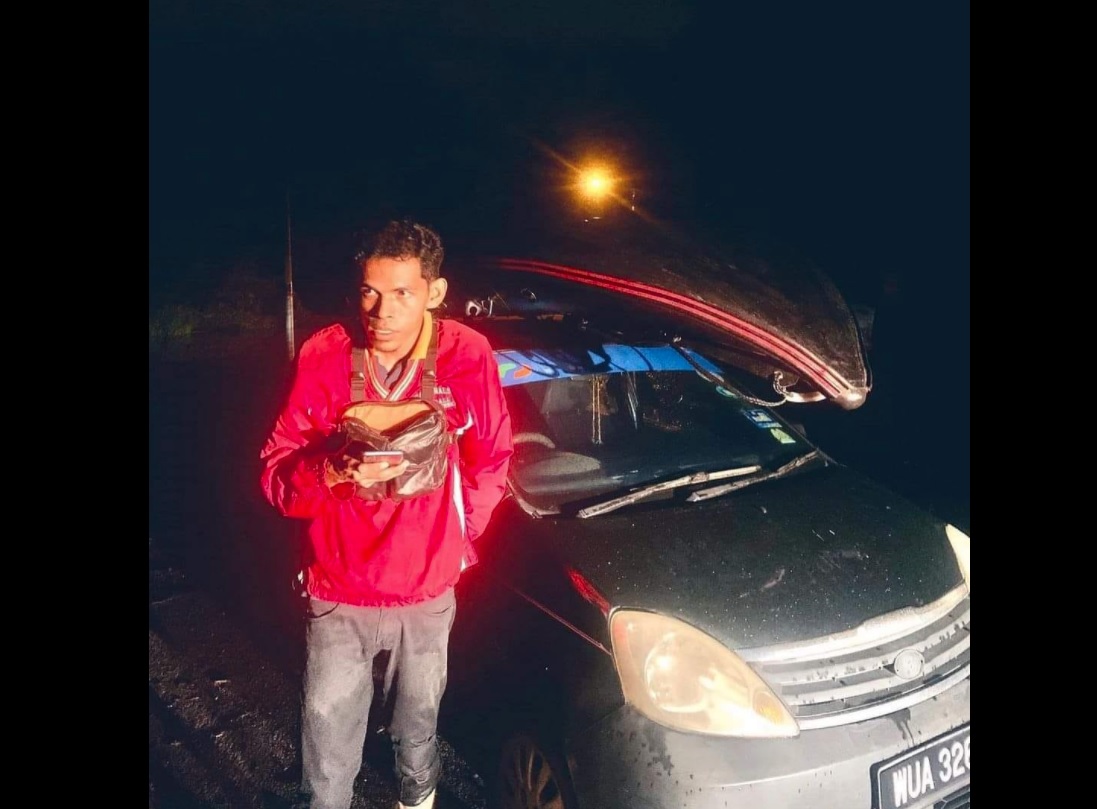
Despite telling Malaysians not to worry on national television, netizens uploaded videos of stranded flood victims screaming for help in the dark.
Help came, but it was clear it was not coming from the government, but from everyday Malaysians who took it upon themselves to offer help in any way they could.
Netizens posting locations of stranded flood victims met other posts from individuals offering their four-wheel drive trucks and boats to assist.
The following days saw volunteers nationwide mobilise to offer assistance, as the government response continued to disappoint victims.
When Ismail Sabri told victims he would send rescue helicopters to flood areas, it was the Bangladeshi and Indonesian migrant workers, who were also flood victims, that risked their lives to save their neighbours.
When Youth and Sports Minister Datuk Seri Ahmad Faizal Azumu and cabinet colleague Datuk Seri Rina Harun conducted launching events for disaster mitigation efforts, it was Azwan Omar (fondly known as Abang Viva) who drove his Perodua Viva, a boat strapped to its top, to rescue flood victims across the country, all with just RM50 in his pocket.
Azwan and other Malaysians who put the well-being of others above themselves are the epitome of #rakyatjagarakyat.
A visit to one of the most hard-hit townships, Taman Sri Muda, provided insight into what true anarchism really means.
At ground zero, volunteers helping with the rescue, non-government organisations providing food and necessities to victims, and neighbours helping others rescue belongings were clear for all to see.
By no means were the volunteers’ operations organised. They were chaotic, but they saved lives.
The chaotic volunteerism can be described by an incident in Taman Sri Muda during which this writer witnessed a group of Indian men who, upon downing and finishing their cans of Tiger Beer, went off into the flooded residential areas and came out with a rescued dog.
All these volunteer efforts were done with little help from government authorities.
It is not to say the government personnel were not there at Taman Sri Muda. But even on December 20, the presence of army, police, Rela, the Fire and Rescue Department, and Civil Defence Department were dwarfed by volunteers.
This poor response by the government did not go unnoticed by the public.
A man pushing an inflatable boat with his son inside immediately started screaming in anger once he found out the press had arrived in Taman Sri Muda.
“Where is the Shah Alam Municipal Council!? They are nowhere to be seen,” the man said, revealing that perhaps all levels of government – federal, state, and local – failed to address the disaster competently.
Another incident that this writer observed was when a survivor, Megala Murthi, who was trapped with 30 other individuals in a shoplot for three days, screamed for help but no one came.
The shoplot that she was stuck in during the deluge was located right next to a police station.
“Only volunteers came to our rescue,” said the freshly rescued Megala while she was enjoying a serving of fried noodles.
When asked if she would participate in an interview, she asked: “Will you let me tell the truth?”
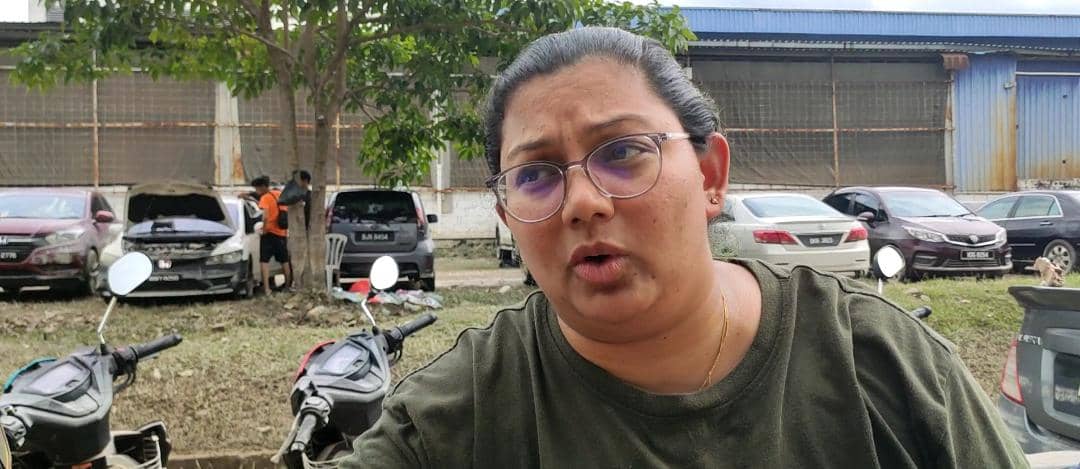
In the same township, Saimeena Looshni took the opportunity to give thanks to the migrant workers who risked their lives to assist their trapped neighbours.
She pointed out that while Malaysians were quick to pin the blame on migrant workers for looting the nearby Mydin store, her Bangladeshi neighbours went to the same shop, collected food, and distributed it to residents with children.
To concerns that these scenes of unity amongst Malaysians may be a one-off thing, our nation has a history of mobilising in such a manner.
In 2014, 11 states including Selangor were hit by floods that affected 200,000 individuals and killed 21.
While the floods were happening, then prime minister Datuk Seri Najib Razak even took the opportunity to have a round of golf with former United States president Barack Obama, passing disaster control duties to his deputy Tan Sri Muhyiddin Yassin.
Despite a subpar response from the government, Malaysians got together to lend help.
Just like in Taman Sri Muda, in 2014 when social media wasn’t the powerful tool we see today, animal lovers got together to rescue stranded pets.
Through the #RAOKFloodRelief hashtag – RAOK being an acronym for random acts of kindness – a fleet of four-wheel-drive vehicles did their best to reach flood victims with basic supplies.
If these floods have taught Malaysians anything at all, it is that Malaysians only need each other, even as those tasked with responsibility fail to fulfil their sworn duties. – The Vibes, December 31, 2021
Arjun Mohanakrishnan is a reporter with The Vibes