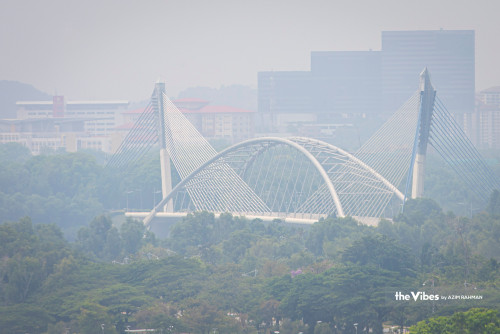
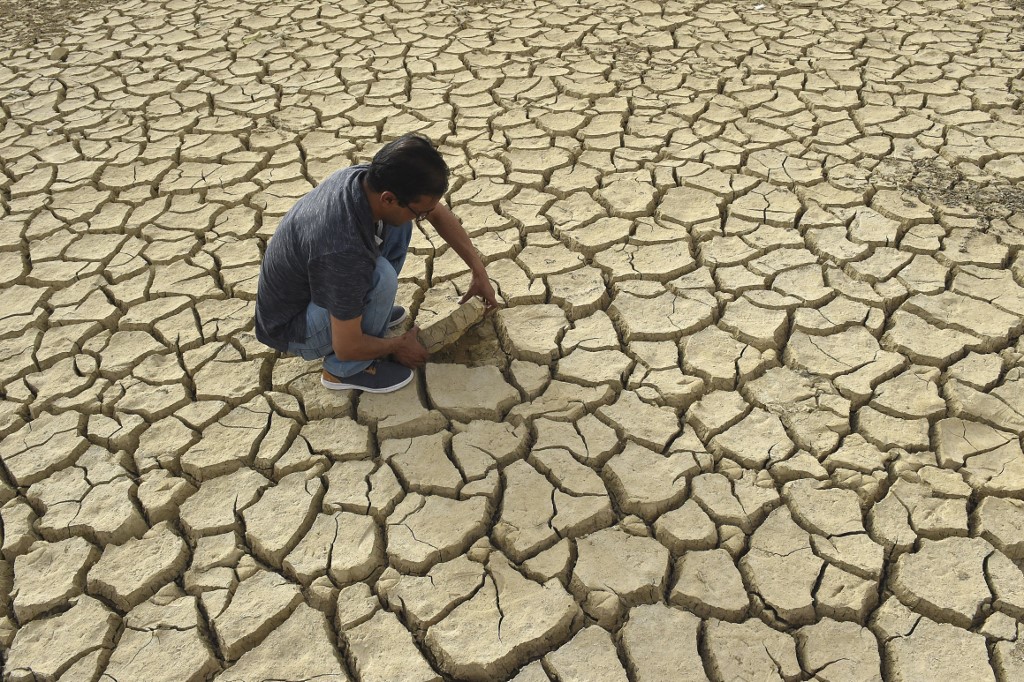
A RECENT survey has revealed that Southeast Asians view climate change and extreme weather events as the region's most pressing challenge, surpassing economic concerns like unemployment and recession, which had previously dominated the list.
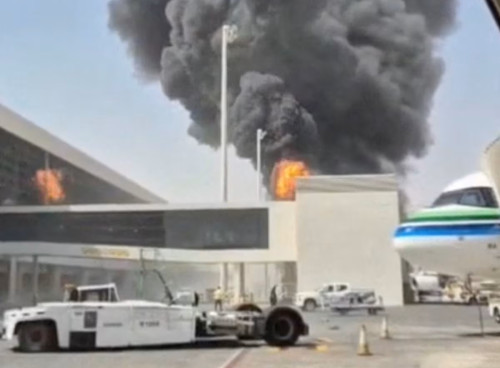
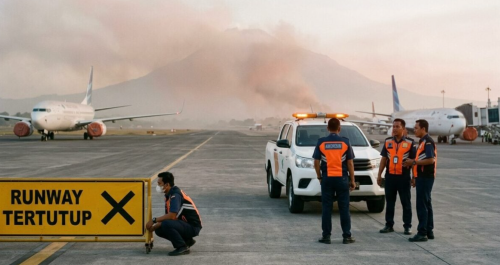
According to the State of Southeast Asia Survey 2025, conducted by the ASEAN Studies Centre at the ISEAS – Yusof Ishak Institute, 55.3% of the 2,023 respondents from across the region now see climate change as the top issue.
The survey, which ran from January 3 to February 15 this year, included participants from all ten ASEAN member states, identified climate change as the leading concern for four countries.
The Philippines and Vietnam, both regularly hit by severe typhoons, ranked climate change as their most significant challenge, with 70.9% and 70.3% of respondents, respectively, highlighting it. Malaysia (55%) and Thailand (54.6%) also placed climate change at the forefront of their concerns.
Economic issues, which had been the dominant focus for the past two years, now rank second, with 49.3% of respondents citing sluggish economic prospects as the region's biggest challenge.
Fears of escalating economic tensions between major powers, particularly between the US and China, were also a significant concern for 48.3% of respondents.
The survey also found that over half of Southeast Asians (51.6%) are deeply concerned about aggressive behaviour in the South China Sea, making it the region's top geopolitical worry.
This issue surpassed the Israel-Hamas conflict, which had ranked highest last year. Other geopolitical concerns included global scam operations (48.1%) and the impact of new US leadership (46.9%).
As nationalism and protectionism rise globally, a notable 40.2% of respondents support accelerating ASEAN regional integration to counter these trends.
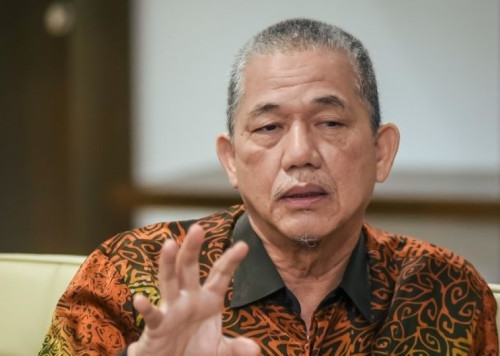
Dr Michael Green, CEO of the United States Studies Centre, shared his agreement with this sentiment.
"You fight protectionism with trade liberalisation, ASEAN-wide trade liberalisation…deals with Europe, with Japan, with Australia, with India, if possible," Bernam quoted him saying during the webinar launch of the report.
He acknowledged the difficulty of this approach, stating, "When protectionism is in the air, it takes real political leadership to push for trade liberalisation. So, it’s the right answer, but not easy to do."
The survey also revealed shifting allegiances in the region’s geopolitical landscape.
The US has now surpassed China as the preferred strategic partner for Southeast Asia, with 52.3% of respondents expressing a preference for aligning with the US if forced to choose.
However, China remains the dominant power in the region in terms of economic (56.4%) and political-strategic (37.9%) influence, despite a slight decline in its overall sway.
In terms of trust, Japan is now viewed as the most reliable major power in Southeast Asia, with 66.8% of respondents trusting it, up from 58.9% the previous year. The European Union also saw an increase in trust, reaching 51.9%, surpassing the US (47.2%).
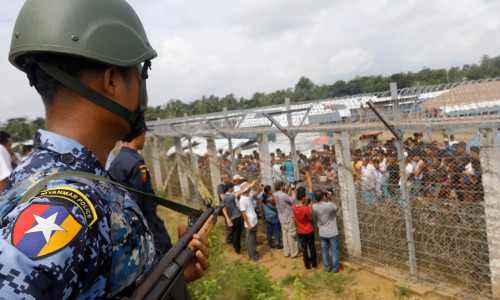
Turning to regional concerns, Myanmar’s ongoing political and humanitarian crisis continues to challenge ASEAN’s unity.
A third of respondents support ASEAN engaging in independent dialogue with all key stakeholders to resolve the situation. Meanwhile, there is considerable backing (over two-fifths of respondents) for Timor-Leste’s continued progress toward joining ASEAN.
The survey highlights the growing importance of climate change as a central issue for Southeast Asia, reshaping priorities and responses across the region. – April 3, 2025