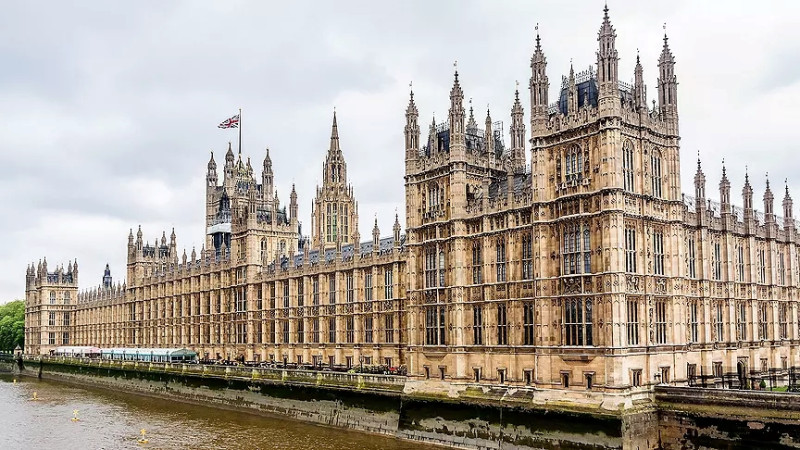
BRITAIN'S parliament voted on Friday in favour of a bill to legalise assisted dying, paving the way for the country's biggest social change in a generation.
Reuters reported today that the legislation passed by a vote of 314-291, clearing its biggest parliamentary hurdle.
The "Terminally Ill Adults (End of Life)" law would give mentally competent, terminally ill adults in England and Wales with six months or less left to live the right to choose to end their lives with medical help.
The bill now proceeds to Britain's upper chamber, the House of Lords, where it will undergo months of scrutiny. While there could be further amendments, the unelected Lords will be reluctant to block legislation that has been passed by elected members of the House of Commons.
The vote puts Britain on course to follow Australia, Canada and other countries, as well as some U.S. states, in permitting assisted dying.
Prime Minister Keir Starmer's Labour government was neutral on the legislation, meaning politicians voted according to their conscience rather than along party lines. Starmer voted in favour.
Supporters of the bill say it will provide dignity and compassion to people suffering, but opponents worry that vulnerable people could be coerced into ending their lives.
Hundreds of people gathered outside parliament to hear news of the vote.
When the result was read out, those in favour of the legislation hugged, clapped and cheered. They shouted “victory”, “we won” and waved placards. Those opposed to it stood in silence.
Emma Bray, who has motor neurone disease, said she hoped the result would help people in her condition.
Bray, who is 42 and has two children, said she plans to starve herself to death next month to help relieve the pain after being told she only has six months to live.
“This result will mean that people will not have to go through the same suffering I have faced,” she told Reuters.
Opinion polls show that a majority of Britons back assisted dying. Friday's vote followed hours of emotional debate and references to personal stories in the chamber and followed a vote in November that approved the legislation in principle.
Narrow Vote
Opponents of the bill had argued that ill people may feel they should end their lives for fear of being a burden to their families and society. Some lawmakers withdrew their support after the initial vote last year, saying safeguards had been weakened.
John Howard, a Catholic priest who led about a dozen people in prayer outside parliament while voting took place, said he worried that some people would be forced to end their lives early under pressure from family members.
"I feel great sorrow and concern, particularly for the most vulnerable and disabled," he told Reuters. "This is a dark day for our country."
Friday's vote took place 10 years after parliament last voted against allowing assisted dying. The 314-291 vote showed narrowing support from the 330-275 vote in favour in November.
In the original plan, an assisted death would have required court approval. That has been replaced by a requirement for a judgement by a panel including a social worker, a senior legal figure and a psychiatrist, which is seen by some as a watering down.
The Labour lawmaker who proposed the bill, Kim Leadbeater, said the legislation still offered some of the strongest protections in the world.
"I am fully confident in the bill," she told the BBC after the vote. "The safeguards are extremely thorough, extremely robust, and I'm confident that this will help the people it needs to help."
Opponents had doubts not just about the potential for coercion, but also about the impact of assisted dying on the finances and resources of the state-run National Health Service, how the law might change the relationship between doctors and their patients and whether it could mean that improvements to palliative care might now not be made.
Care Not Killing, a group that opposes the law change, issued a statement calling the bill "deeply flawed and dangerous", saying that its safeguards had been weakened since November.
"Members of Parliament had under 10 hours to consider over 130 amendments to the Bill, or less than 5 minutes per change. Does anyone think this is enough time to consider changes to a draft law that quite literally is a matter of life and death?" said the group's CEO, Gordon Macdonald.
The law was proposed under a process led by an individual member of parliament rather than being government policy, which has limited the amount of parliamentary time allocated to it.
Some lawmakers have said that such a major social change should have been allocated more parliamentary time for debate and involve a greater degree of ministerial involvement and accountability. - June 21, 2025