EUROPEAN nations are scrambling to keep diplomatic channels open between Iran and the United States following a dramatic escalation in hostilities that saw Tehran launch missiles at a U.S. military base in Qatar in retaliation for American strikes on Iranian nuclear facilities.
AP reported today that efforts to restore dialogue appeared increasingly strained, with Iran turning to Moscow for support rather than responding to calls for negotiations from Western powers.
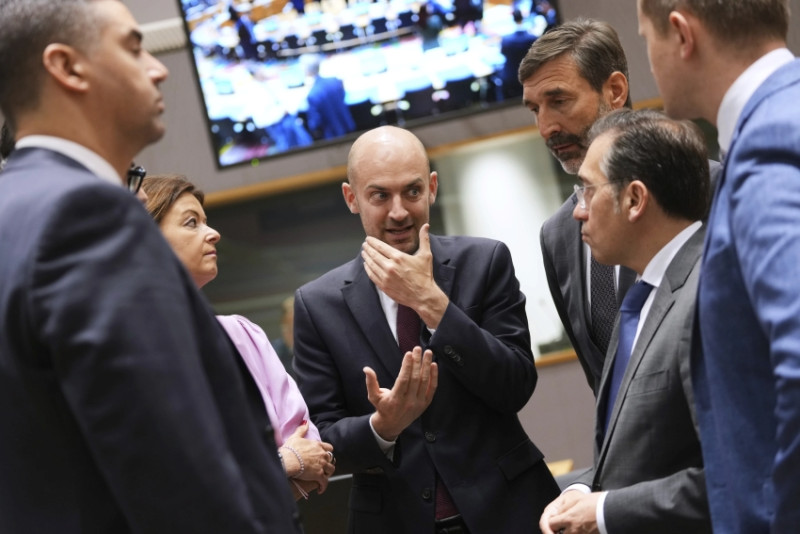
The unfolding crisis dominated discussions at a European Union foreign ministers’ meeting in Brussels on Monday, where concerns mounted over the potential for the conflict to spiral into a broader war with serious global repercussions.
“The concerns of retaliation and this war escalating are huge,” said EU foreign policy chief Kaja Kallas, adding that any attempt by Iran to close the Strait of Hormuz, a key global shipping lane, would be “extremely dangerous and not good for anybody.”
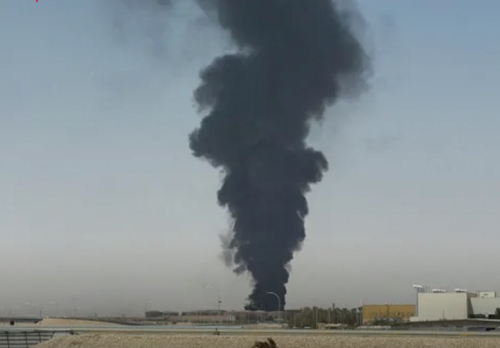
Qatar confirmed that short- and medium-range ballistic missiles were intercepted after Iran struck Al Udeid Air Base on Monday. The Gulf nation condemned the attack, describing it as a violation of its sovereignty.
The missile barrage came just days after a tense seven-hour meeting in Geneva between the so-called E3 group—Britain, France and Germany—and Iranian Foreign Minister Abbas Araghchi. That round of talks ended with only a vague pledge to “meet again in the future.” A day later, U.S. bombers struck Iranian nuclear and military sites in what Washington described as a necessary move to check Iran’s nuclear ambitions.
Currently, no further talks between the E3 and Iran are scheduled, according to a European diplomatic official who spoke on condition of anonymity.
Still, British Foreign Secretary David Lammy urged Tehran to return to the negotiating table, calling for “immediate and serious” talks with Washington. He said, “Take the off-ramp, dial this thing down and negotiate with the United States.”
Lammy said he had spoken to both Araghchi and U.S. Secretary of State Marco Rubio on Sunday.
German Foreign Minister Johann Wadephul echoed that position, stating, “A real precondition for a settlement to the conflict is that Iran be ready to negotiate directly with the U.S.”
Italian Foreign Minister Antonio Tajani, meanwhile, proposed hosting a meeting between the two sides in Rome.
Yet Iran’s focus appeared to shift away from Europe on Monday, as Araghchi travelled to Moscow for high-level talks with Russian President Vladimir Putin. The Russian leader condemned what he described as the United States’ “unprovoked aggression” against Iran and pledged support to the Iranian people.
“This visit is a chance to explore how we can get out of today’s situation,” Putin said, while Kremlin spokesman Dmitry Peskov confirmed that Moscow had offered to mediate.
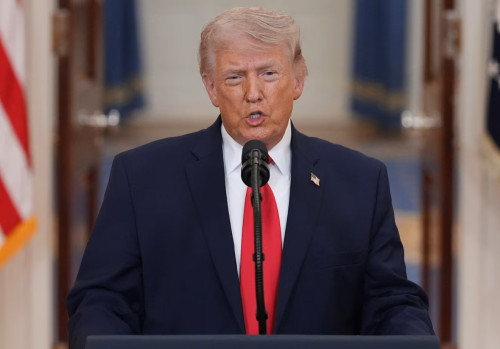
Diplomatic coordination was further complicated by a lack of advance notice from Washington. While Britain was informed shortly before the U.S. strikes, other European capitals were caught off guard. The situation was exacerbated by a social media post from President Donald Trump on Sunday, speculating about possible “regime change” in Iran—a notion firmly rejected by European officials.
French Foreign Minister Jean-Noël Barrot was blunt: “We reject all attempts to organise a change of regime by force. It would be illusory and dangerous to think that such a change can be provoked through force and bombs.”
Iran maintains that its nuclear programme is intended for peaceful purposes, and U.S. intelligence assessments reportedly continue to support that view. Nonetheless, President Trump and Israeli officials argue that Iran remains capable of rapidly assembling a nuclear weapon.
Reactions among European allies to the U.S. strikes were mixed. While there were clear concerns about further escalation, some expressed cautious approval that Iran’s nuclear infrastructure had been disrupted.
“We can’t pretend that the prevention of Iran getting nuclear weapons isn’t a good thing for this country. But we’re prioritising diplomacy as the way forward,” said Tom Wells, a spokesman for British Prime Minister Keir Starmer.
German Chancellor Friedrich Merz, a close ally of Israel, said he saw “no reason to criticise what Israel began a week ago, and also no reason to criticise what America did last weekend.”
Merz conceded that the situation was “not without risk,” but insisted, “leaving things the way they were was also not an option.” He expressed cautious optimism that the conflict might not escalate further, noting that Iran’s retaliation had so far been “far short of what we had to fear,” and that its regional proxies had shown “relatively little” reaction.
“But it doesn’t have to stay that way,” he warned. - June 24, 2025