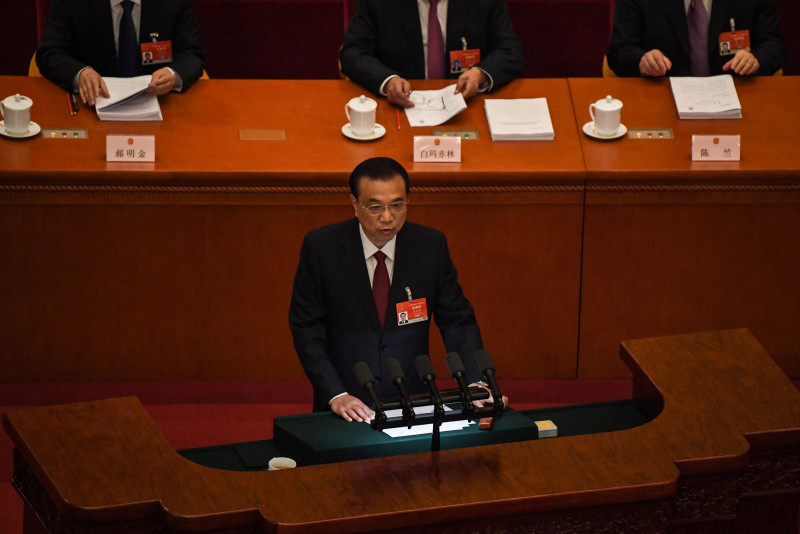
CHINA’S Premier Li Qiang delivered a pointed yet diplomatically phrased address at the United Nations General Assembly on Friday, cautioning against what he called the resurgence of “unilateralism and Cold War mentality” in international affairs — remarks widely seen as a veiled criticism of the United States, particularly under the Trump administration.
“History keeps reminding us that when might dictates right, the world risks division and regression,” Li told world leaders. “Should the era of the law of the jungle return and the weak be left as prey to the strong, human society would face even more bloodshed and brutality.”
Though he never directly named the United States, Li’s rhetoric echoed China’s longstanding narrative positioning itself as a defender of multilateralism in contrast to perceived US hegemonism. His appearance at the UN also marked his most prominent global stage debut since being elevated to the premiership more than two years ago.
AP reported on Saturday that Li, 66, is considered the second-most powerful figure in Beijing, after President Xi Jinping. While his predecessors were often sidelined by party leadership, Li is widely viewed as a loyalist firmly aligned with Xi’s strategic priorities.
The decision for Li to address the UN — a role more often held by China’s top diplomat in recent years — signals a potential elevation of his international profile.
His address avoided any concrete policy announcements but was rich in metaphor and cultural references, including a personal reflection upon arriving at UN headquarters.
“I saw over 190 national flags lined up in front of the building and fluttering in the breeze,” he said. “I saw staff members from different regions, of different races, and with different skin colours working in collaboration for the common goals of humanity.”
He added, “What I saw got me thinking: Those people, objects, and scenes that embody peace, progress, and development are exactly why we choose to commemorate victory. They’re also what inspires us to forge ahead, hand in hand.”
Li’s tone was markedly more poetic than his earlier, economically focused speeches in domestic forums, including China’s National People’s Congress.
Throughout the address, Li underscored China’s commitment to multilateralism and opposition to “hegemonism and bullying” — language Beijing has long used to criticise US foreign policy, particularly its use of sanctions, tariffs, and military alliances.
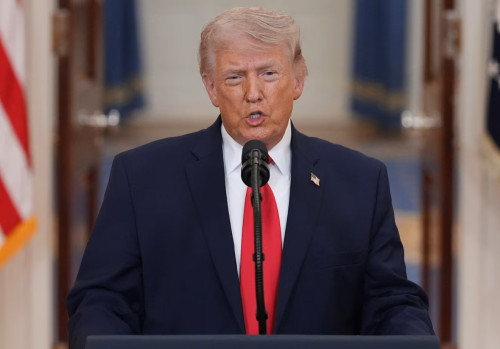
“A major cause of the current global economic doldrums is the rise in unilateral and protectionist measures such as tariff hikes and erection of walls and barriers,” he said, alluding to Washington’s trade policies under former President Donald Trump.
Li also dismissed what he called “camp-based confrontation” and “obsession with so-called civilisational superiority,” saying such approaches “only breed more division and confrontation.”
“Solidarity lifts everyone up while division drags all down,” he added.
Beijing’s emphasis on sovereignty and non-interference is often seen as an attempt to deflect criticism over its own domestic policies — including repression in Xinjiang, crackdowns in Hong Kong, and military pressure on Taiwan — which contrast sharply with the peaceful image projected in its foreign diplomacy.
Nonetheless, Li’s remarks were in keeping with China’s strategic messaging: that it seeks stability, prosperity, and cooperation — so long as that excludes what it deems Western interference.
His speech comes as tensions between Beijing and Washington continue to simmer, particularly over trade, technology, and regional security. Trump and President Xi Jinping are tentatively expected to meet on the sidelines of the APEC summit in South Korea next month. - September 27, 2025