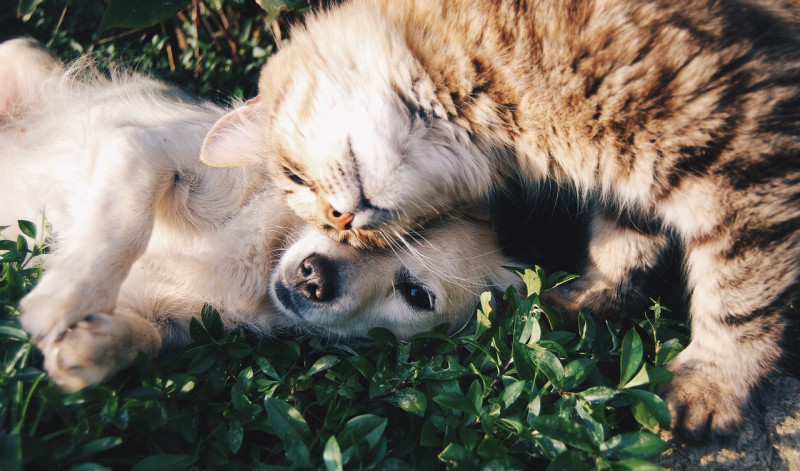
TEHRAN – “No, my cat is not dangerous,” says Iranian animal lover Mostafa, outraged by a proposal from ultraconservative lawmakers to ban pets.
The 25-year-old, who runs a pet supplies shop on busy Eskandari Street in downtown Tehran, is stunned.
“Crocodiles can be called dangerous, but how can rabbits, dogs and cats be dangerous?” he asked incredulously about the bill introduced a month ago.
The proposed law pits growing numbers of people with pets against those who consider the practice decadent and hold that under Islamic law dogs, like pigs, are unclean.
According to media reports, 75 MPs, or one quarter of parliamentarians, recently signed a text entitled “Support for the rights of the population in relation to harmful and dangerous animals”.
In their introduction, the authors condemn the practice of humans living under one roof with domesticated animals as a “destructive social problem”.
The phenomenon, they explain, could “gradually change the Iranian and Islamic way of life” by “replacing human and family relationships with feelings and emotional relationships towards animals.”
The proposed law would prohibit “importing, raising, assisting in the breeding of, breeding, buying or selling, transporting, driving or walking, and keeping in the home wild, exotic, harmful and dangerous animals.”
It lists the animals to be banned as “crocodiles, turtles, snakes, lizards, cats, mice, rabbits, dogs and other unclean animals as well as monkeys.”
‘Chaos, corruption, disobedience’
Offenders would risk a fine equivalent to 10 to 30 times the “minimum monthly working wage” of about US$98 (RM413) or 87 euros and the “confiscation” of the animal.
In addition, vehicles used to transport the animal would be confiscated for three months.
While Iran is engaged in difficult negotiations on its nuclear programme and enduring a painful economic downturn because of US sanctions, the bill has sparked criticism in the press, mockery on social networks and anger among residents of the capital.
“These projects will certainly cause chaos, corruption and collective disobedience to this law because... living with animals is now a cultural phenomenon,” warned the reformist daily Shargh.
Some internet users reacted with irony and sarcasm.
“How many times have cats sought to devour you so that you consider them wild, harmful and dangerous?” journalist Yeganeh Khodami asked on Twitter.
Another posted a photo of his kitten with the message: “I have renamed my cat ‘Criminal’ since I heard this proposed law.”
An actress who asked to remain anonymous said she had planned a demonstration against the pet ban plan in front of Parliament but then dropped the idea because of pressure on her.
In the face of the public outcry, few parliamentarians are willing to strongly defend the bill.
“I agree with the project in general, but I certainly disagree with some of its clauses,” said the head of Parliament’s judicial commission, Moussa Ghazanfarabadi, who signed the text.
“It is just a bill, but whether it succeeds is another matter,” he said.
‘Animal rights, human rights’
Another lawmaker from Tehran, the environmentalist Somayeh Rifiei, said she believes that a law is needed on which animals can be kept, and which cannot.
“No one can deny the services that animals provide to humans, but this area must be regulated,” she said. “That is the basis of social life.”
She said that, aside from the pet ban bill, “the government has drafted a bill that gives special attention to biodiversity and wildlife. It deals with both animal rights and human rights.
“Basically, I would prefer to see this bill on the agenda rather than a proposal that focuses only on criminalisation.”
On Eskandari Street, vendors fear the consequences of any such law.
“It might destroy thousands of jobs,” said Mohsen, 34.
His wife Mina said she was more worried about her dog.
“Why should I imprison him at home?” she said of her canine companion. “The MPs probably assume that young couples today don’t have children because they have a pet dog, but that’s stupid.
“It’s not the dogs but the economic conditions that don’t allow us to have children,” she added.
“At one time, they banned satellite television, yet people continued to use it, but with fear and anxiety. People will keep their animals at home to protect them.” – AFP, December 12, 2021