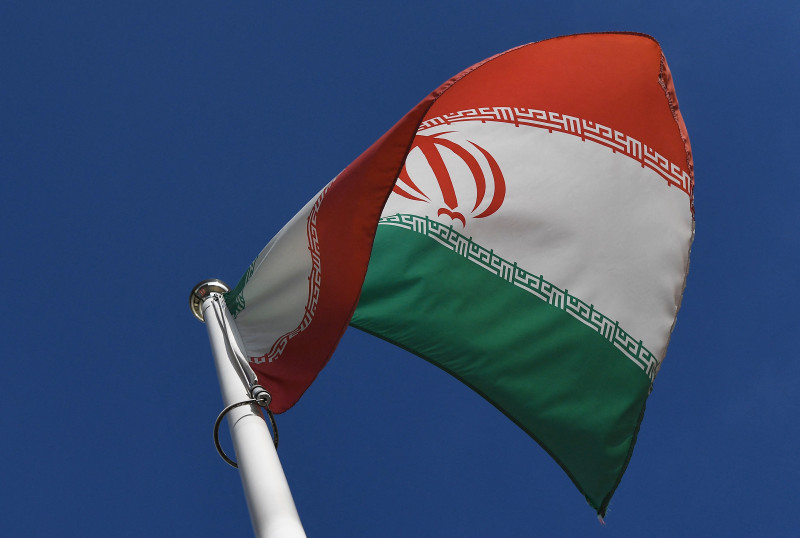
TEHRAN – Iran yesterday said it has carried out a new space launch, sparking concern in Washington that noted such moves show the need to revive a 2015 nuclear deal.
Tehran successfully put its first military satellite into orbit in April last year, drawing a sharp rebuke from the United States (US).
Western governments worry that satellite launch systems incorporate technologies interchangeable with those used in ballistic missiles capable of delivering a nuclear warhead.
Iran insists its space programme is for civilian and defence purposes only, and does not breach the nuclear deal or any other international agreement.
“The US remains concerned with Iran’s development of space launch vehicles, which pose a significant proliferation concern,” a State Department spokesman said.
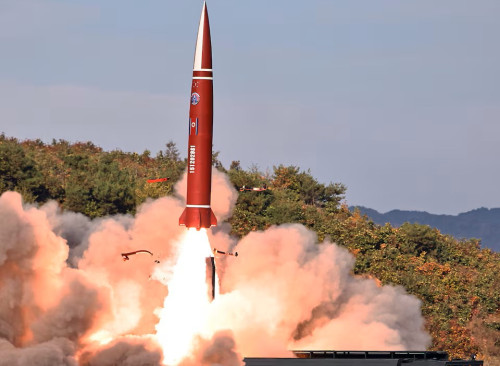
Iran’s state broadcaster aired footage of a rocket rising from a desert launchpad, but gave no details of its location.
“The Simorgh (Phoenix) satellite launcher carried three research cargos into space,” said Ahmad Hosseini, spokesman for the defence ministry’s space division.
“The research goals foreseen for this launch have been achieved,” he was quoted by state television as saying.
Earlier this month US media reported that preparations for a launch were underway at Iran’s space centre in Semnan, 300km east of Tehran.
Hosseini did not elaborate on the nature of the research, but he said the latest operation is a “preliminary launch” and that more would follow.
Vienna talks see ‘progress’
In February, Iran announced it had launched its most powerful solid fuel rocket to date, the Zoljanah, boasting that it can put a 220kg payload into orbit.
The US voiced concern about that launch, saying the test could boost Iran’s ballistic missile technology at a time when the two nations are inching back to diplomacy.
According to the Pentagon and satellite imagery of the Semnan centre, an Iranian satellite launch failed in mid-June, reports denied by Tehran.
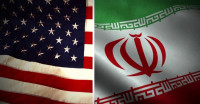
Iran’s declared new space launch comes with talks underway in Vienna between the Islamic republic and world powers to restore the 2015 nuclear agreement.
Negotiators from Britain, France, and Germany on Tuesday described the talks as “urgent”. They warned that “we are nearing the point where Iran’s escalation of its nuclear programme will have completely hollowed out” the deal.
The parties to the 2015 agreement with Iran saw it as the best way to stop the Islamic republic from building a nuclear bomb – a goal Tehran has always denied.
It offered Tehran much-needed relief from economic sanctions and curtailed Iran’s nuclear activities.
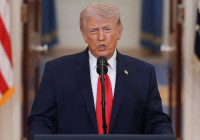
But the unilateral withdrawal by then US president Donald Trump in 2018 derailed the pact, prompting Tehran to start reneging on its commitments under it.
Talks to revive it began in late November, and the latest round began on Monday in Vienna.
Yesterday, Iran’s chief negotiator Ali Bagheri said “relatively satisfactory progress” has been made.
“Some written changes on the lifting of sanctions were established between the two parties,” Bagheri said in a video published by Tasnim news agency.
‘Constraints’
United Nations Security Council Resolution 2231 of 2015, endorsing the nuclear deal, imposed no blanket ban on Iranian rocket or missile launches.
But it called on the country “not to undertake any activity related to ballistic missiles designed to be capable of delivering nuclear weapons, including launches using such ballistic missile technology”.
The State Department spokesman contended that Iran’s space launches violate Resolution 2231.
“Iran’s nuclear programme was effectively constrained by the Joint Comprehensive Plan of Action,” the spokesman said, referring to the 2015 nuclear deal.
“The previous administration released them from those constraints, making all the other concerns we have about Iranian policy, including their provocative ballistic missile programme, still more dangerous.
“That is why we are seeking a mutual return to full compliance with the deal.”
Britain, China, France, Germany, and Russia are taking part in the Vienna talks with Iran, while the US is participating indirectly.
“There may have been some modest progress,” State Department spokesman Ned Price said on Tuesday. – AFP, December 31, 2021