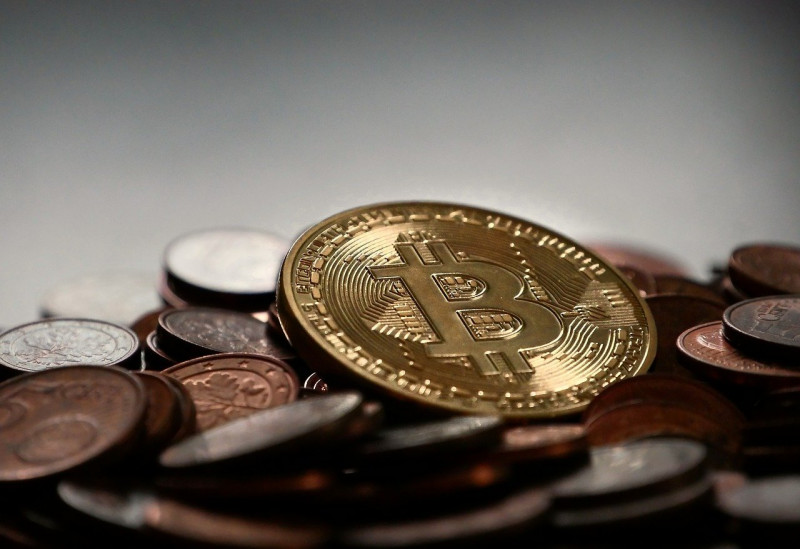
NEW YORK – Bitcoin moved closer to US$50,000 (RM202,450) for the first time, while the dollar declined as equity traders monitored anticipated US fiscal stimulus and Covid-19 vaccine developments.
Asia’s main stock indices closed stronger yesterday, with Tokyo hitting a 30-year high, while the Dow Jones index edged down from an all-time high following a mixed session in Europe.
Bitcoin briefly pushed to a record-high of US$48,215.83 (RM195,227) after winning a huge boost Monday from news that Elon Musk’s electric carmaker Tesla had invested US$1.5 billion (RM6.07 billion) in the cryptocurrency.
It later eased back to a level near US$47,335 (RM191,659).
Investors remained optimistic about additional US government spending and President Joe Biden met with the CEOs of JPMorgan Chase, Walmart and other companies to build support for his US$1.9 trillion (RM7.69 trillion) rescue plan.
Besides stimulus expectations, the market has also been boosted by progress on coronavirus vaccines that have raised hopes for earnings growth in 2021 and beyond.
“Indeed the good times are rolling in the capital markets, which are acting as if they have more money than they know what to do with, so they just keep doing what’s been working: putting money to work in risk assets,” said Briefing.com analyst Patrick O'Hare.
Benchmark crude contract Brent North Sea moved further above US$60 a barrel yesterday thanks to surging demand expectations as economies reopen.
“Oil’s fundamentals are looking strong again on both (the) supply and demand side,” said Edward Moya, analyst at Oanda trading group.
“Despite demand being down about five million barrels year-over-year, optimism is high that vaccine rollouts will have key parts of the global economy return to normal.”
Axi strategist Stephen Innes said the inoculation drive “provides the ultimate recovery safety net that will allow people to participate in all those pre-pandemic activities like the simple pleasures of going to a movie or having a meal out”.
In another sign of more upbeat times, crisis-hit Japanese carmaker Nissan upgraded its full-year forecast again as the global auto industry shows signs of recovery from the coronavirus pandemic.
But US auto giant General Motors extended shutdowns of three factories through at least mid-March due to the global shortage of semiconductors. – AFP, February 10, 2021