NEW YORK – The cold snap that gripped the United States in February not only caused chaos in Texas and the southwest, it also triggered a shortage in plastics that has disrupted a supply chain already under strain from a lack of microchips and growing congestion at ports as a result of the coronavirus pandemic.
So factories have had to shut their doors and consumers are feeling the crunch.
At Toyota, a petrochemicals shortage affected production at plants in Kentucky, West Virginia and Mexico.
Honda cited supply chain issues “related to the impact of Covid-19, congestion at various ports, semiconductor shortages and severe winter weather” to justify the temporary closure of five of its factories in Canada and the United States.
Consumers are also being affected.
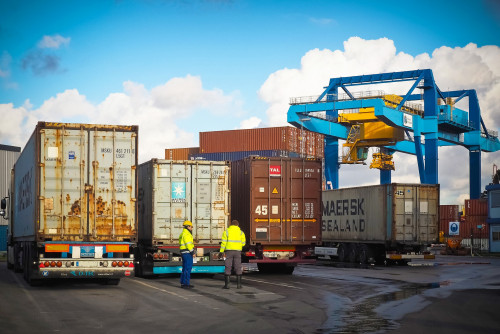
Nike said last Thursday that its sales of shoes and sportswear were being affected by congestion at ports around the country.
At a Best Buy home appliance store in suburban Washington, a customer said she spent an hour with a sales assistant, only to find that many stove models wouldn’t be available for several weeks.
“I had to buy a black stainless-steel stove when I wanted a white one, and for US$200 (RM821.43) more than I’d budgeted”, complained Virginie Hines, a French woman living in Maryland.
The problems in the plastics sector are the latest glitch in the supply chain.
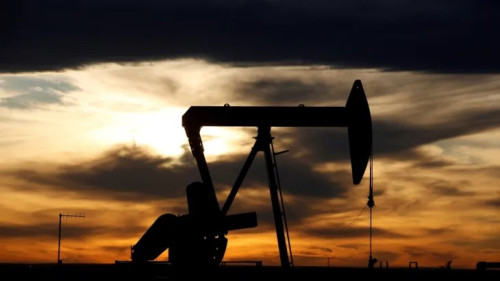
In mid-February, freezing temperatures paralysed Texas and Louisiana, home to many of the factories that transform oil into polyethylene, which is used to make plastic bags, shampoo bottles or toothpaste tubes, polypropylene, used for the hard plastic of car dashboards or refrigerators, or PVC, which is used to make pipes or window frames.
While they are used to weathering hurricanes, these plants rarely experience low temperatures.
At the height of the cold snap, more than 70% of ethylene production capacity was down and at least 62% of polypropylene production, according to S&P Global Platts.
“Not only was supply knocked offline from a freeze, but the demand for products had just started to rebound,” said Robert Benedict of the American Fuel & Petrochemical Manufacturers.
The consequences are hard to pinpoint, but with petro-chemicals accounting for a third of the raw material costs of a car, “it’s easy to understand why we’re now seeing ripple effect in other manufacturing supply chains”, he said.
Problems at several factories at the end of December had already limited supply, said Jennifer Van Dinter of S&P Global Platts.
With the freeze, the plastics “supply shortages are likely to result in a supply-constrained market for at least a few weeks and possibly into late spring”.
After repairing the damage, especially the frozen pipes, the factories are now getting back up and running.
The chemicals giant Dow expects its activity in Texas to return to normal by April. The situation for PVC is more complicated because a “significant portion” of world production is located in Louisiana, which had already suffered from being slammed by Hurricane Laura last year, said Van Dinter.
These disruptions in plastics production come on the heels of a semiconductor shortage linked to the boom in demand for electronics since the start of the pandemic, which has plagued the auto industry since the start of the year.
For their part, the ports are facing a period of frenetic activity.
“We are in the seventh month of an unparalleled import surge, driven by unprecedented demands by American consumers,” said Gene Seroka, executive director of the Port of Los Angeles.
Not being able to go to the movies, go on vacation or eat out, people instead ordered goods in large quantities.
These disruptions are being closely watched by the Federal Reserve, whose chairman Jerome Powell stressed on Wednesday that the gradual reopening of the economy could push up prices, “particularly if supply belt bottlenecks limit how quickly production can respond in the near term”.
That could push price hikes, delivery delays and logistical difficulties, said Gregory Daco of Oxford Economics.
But, he added, “they do not represent a significant brake on economic activity, especially in this period of strong growth”. – AFP, March 21, 2021