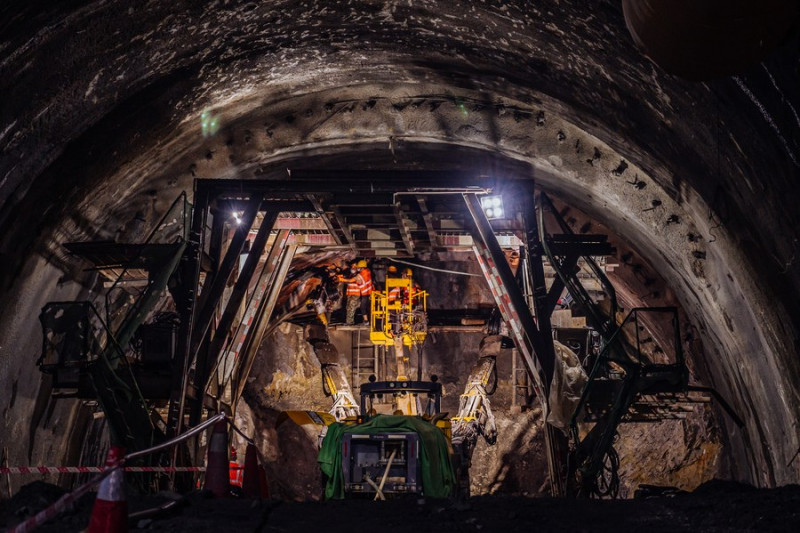
KUALA LUMPUR – Malaysia could see greater economic expansion if it jumpstarts mega infrastructure projects post-pandemic, such as high-speed rail lines, especially for the purpose of carrying goods that will have a multiplier effect on the supply chain.
According to entrepreneurship lecturer at Universiti Malaya’s Faculty of Business and Accounting, Assoc Prof Aida Idris said such projects would be a boost for rural entrepreneurs to manufacture and market their products in the city and beyond.
“With the digital economy mushrooming since last year, I believe the government could look into mega infrastructure projects, more for carrying goods than passengers,” she said.
She said the three key sectors that would lead the country’s economic growth post-pandemic are manufacturing, agriculture and services, but none of these could function without the support of good infrastructure and utilities.
“My point is, do not overlook the infrastructure and utilities sector, which are the most fundamental requirements in most national economic recovery,” she said, adding that some European countries are also adopting the strategy of rail freight transport to boost their economies.
Stressing further on the importance of good infrastructure projects, she said high-speed rail projects should focus on achieving equal development between rural and urban areas, in line with aspirations of the Shared Prosperity Vision 2030.
She said the pandemic has brought in the new norm of working from home and rise of the digital economy and, as such, less travelling is required.
“There will be a reduced need for passenger movement but more on digital economy and online businesses, whereby goods are accessible through non-traditional markets,” she said.
Recently, Minister in the Prime Minister’s Department Datuk Seri Mustapa Mohamed had said the government will review all construction projects nationwide, particularly those that have yet to kick off but already have allocations.
On cash assistance through various packages introduced by the government, including the National People's Well-being and Economic Recovery Package (Pemulih), she said it would certainly boost the economy, depending on the transition of phases of the National Recovery Plan (NRP) that varies between states.
“Cash aid for those in Phase 1 is helpful to cover basic expenses but for those that have moved into Phase 2 onwards, cash aid is important for the local economy because it increases the purchasing power of the people.
“People tend to spend more and there will be greater economic activities with higher demand. So, the cash aid for these groups of people in Phase 2 and above will give a positive effect for the entire supply chain,” she said.
On Budget 2022, Aida believed that the government will emphasise boosting the digital economy and developing the sector further, in line with the purchasing patterns of consumers.
“There is a need for a lot of resources to develop that area, including making sure people are equipped with the skills and knowledge to cater to the diverse needs of consumers, not only in Malaysia but also worldwide.” – Bernama, August 10, 2021