Business

Asean may lose US$28 tril if climate change uncurbed: Deloitte

Report shows how region can instead gain US$12.5 tril economic value over next 50 years by limiting rising global temperatures

Updated 4 years ago · Published on 27 Aug 2021 8:30PM

Asean may lose US$28 tril if climate change uncurbed: Deloitte
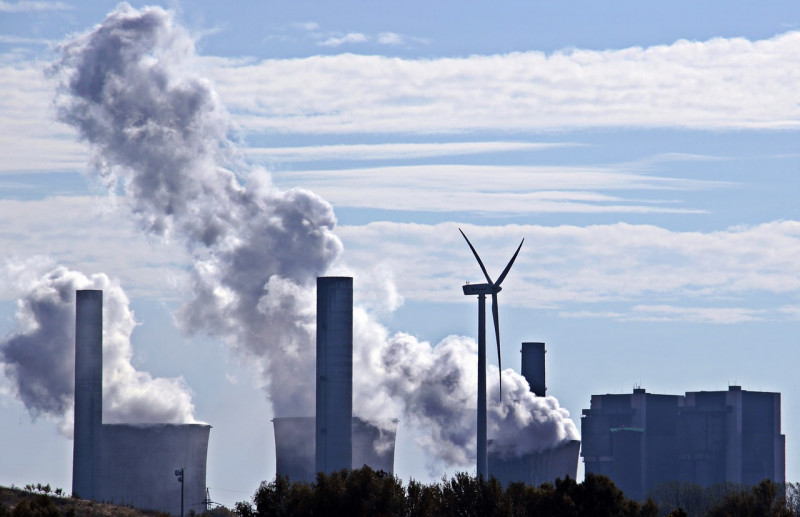
If no action is taken on climate change, average global temperatures may rise by 3°C or more by the end of this century. – Pixabay pic, August 27, 2021

HANOI – Southeast Asia must act now to prevent the region from losing US$28 trillion (RM117.4 trillion) in economic potential over the next 50 years due to unmitigated climate change, according to a new Deloitte Economics Institute report.

In the report, titled “Southeast Asia’s turning point: How climate action can drive our economic future”, the institution also revealed how the region could instead gain US$12.5 trillion in economic value over the same period by limiting rising global temperatures and realising its potential to export decarbonisation to the world. 

According to the Vietnam News Agency, Deloitte Southeast Asia CEO Philip Yuen stressed that Asean countries must act quickly – within the next 10 years – to circumvent irreversible damage from climate change.

He said the bloc’s economies have made strong commitments in this regard, but each country is at a different stage on the sustainability journey, owing to their unique geographic and economic circumstances.

To alter the trajectory, Southeast Asia must seize the opportunity to lead the charge and take climate action, said Yuen.

If no action is taken on climate change, average global temperatures could rise by 3°C or more by the end of this century. This will make it harder for people to live and work as sea levels rise, crop yields fall, infrastructure is damaged, and other challenges emerge.

Deloitte’s research also showed that if governments, businesses and communities act boldly and rapidly in the next decade to address climate change, average global temperature rises can be limited to around 1.5°C by 2050 – a scenario that would minimise the impact of climate change for Asean and the rest of the world. 

At the same time, the region can achieve significant economic growth by supplying products and services, as well as providing financing solutions, to a world that will need to limit temperature increases. – Bernama, August 27, 2021


Related News

Malaysia / 2w

Southeast Asia’s booming scam industry eyes Malaysia

Malaysia / 1mth

PM Anwar proposes ASEAN food security standby arrangement during crises

Malaysia / 1mth

No unilateral decision on the Strait of Malacca - Tok Mat

Business / 2mth

Advantech seeks more strategic expansions to cope with market uncertainties

Malaysia / 2mth

Petrol, diesel prices across ASEAN record significant increases

World / 3mth

ASEAN urges diplomacy, immediate cessation of hostilities in Middle East

Spotlight

Malaysia

Grandfather charged with raping 12-year-old granddaughter

Malaysia

MACC application to stop Na'imah managing assets in Jersey to be heard on August 13

Malaysia

AI-powered probe uncovers SOCSO fraud syndicate exploiting disabled, identity thefts

Malaysia

Salesman pleads guilty to slashing motorcyclist, causing severe injuries

Malaysia

AirAsia warns job seekers of fake recruitment website stealing personal data, demanding fees

Malaysia

Malaysia Stadium Corporation CEO charged over alleged RM1m bribery solicitation

Malaysia

Johor MB to defend state seat in upcoming polls

By Alfian Z.M. Tahir

You may be interested

Business

US dollar surges to three-month high as Fed signals possible rate hike

Business

Oil prices slide as US-Iran peace deal raising hopes of supply recovery

Business

US dollar weakens as markets await Warsh's first Fed decision

Business

Brent crude plummets below US$80 as US-Iran peace deal hopes eclipse Wall Street AI slump

Business

KPJ posts strong FY2025 performance, sets sights on next growth phase

By Alfian Z.M. Tahir