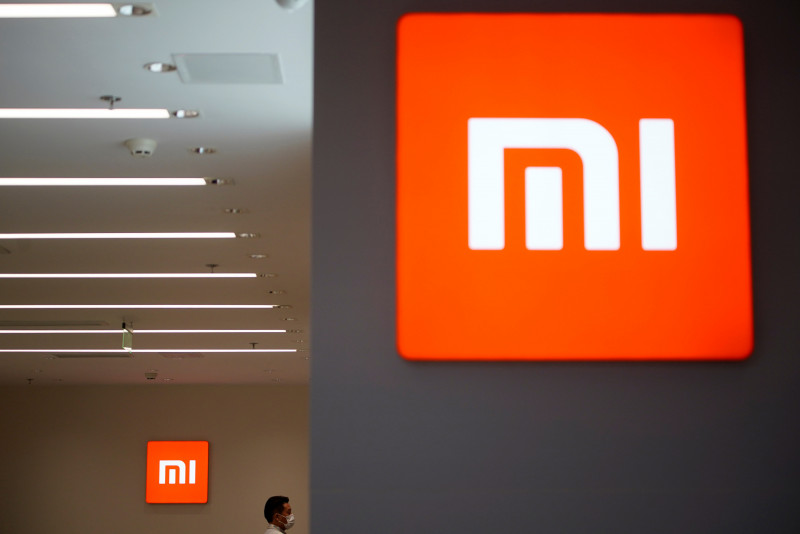
VILNIUS – China’s Xiaomi Corp yesterday said its devices do not censor users’ communications, a day after Lithuania’s Defence Ministry recommended that consumers avoid Chinese phones due to a censoring feature in the smartphone giant’s flagship offering.
The censoring capability in Xiaomi’s Mi 10T 5G phone software has been turned off for the “European Union region”, but can be turned on remotely at any time, said the National Cyber Security Centre (NCSC) in a report.
In a statement sent to Reuters yesterday, a Xiaomi spokesman said its device “does not censor communications to or from its users”.
“Xiaomi has never and will never restrict or block any personal behaviours of our smartphone users, such as searching, calling, web browsing, or the use of third-party communications software.
“Xiaomi fully respects and protects the legal rights of all users.”
The NCSC report also said the Xiaomi phone is sending encrypted usage data to a server in Singapore, which could be against European data regulations.
The Xiaomi spokesman said: “Xiaomi complies with the EU’s General Data Protection Regulation.”
Deputy Defence Minister Margiris Abukevicius told Reuters that the ministry yesterday shared its report with cybersecurity officials from other EU nations and the United States.
According to the report, the terms potentially subject to censorship by the Xiaomi phone’s system apps, such as the default internet browser, include “Free Tibet”, “Long live Taiwan independence”, and “democracy movement”.
China demanded last month that Lithuania withdraw its ambassador in Beijing and said it will recall its envoy to Vilnius after Taiwan announced that its mission in Lithuania will be called the Taiwanese representative office.
Taiwanese missions in Europe and the US use the name of the city Taipei, avoiding a reference to the island itself, which China claims as its own territory.
US President Joe Biden’s national security adviser Jake Sullivan last week stressed support for Lithuanian Prime Minister Ingrida Simonyte in the face of pressure from China. – Reuters, September 23, 2021