
.png)
THE BMW Group has now increased the number of electrified vehicles (fully-electric and plug-in hybrid) in its line-up to 13 models. They will be available in 74 markets around the globe. The BMW Group plans to virtually double the number of electrified vehicles it offers to 25 models by 2023. More than half of these will be fully electric.
In 2018, the BMW Group delivered about 140,000 electric vehicles (EVs) and plug-in hybrids (PHEVs) globally. In 2019, it was more than 145,000 electrified vehicles (BMW and Mini) globally. By this year, they want to deliver more than 1 million EVs.
BMW Group has also set an ambitious target to launch nine new electric vehicles by 2025 and this might also include a Rolls Royce model. BMW Group will also continue to produce PHEVs. This is despite recent findings that PHEVs do not save that much fuel and the two powertrains working together under one shell is not as efficient as claimed by BMW Group and its rivals. It is still best to go full electric or remain with a petrol engine.
From concept to reality in months
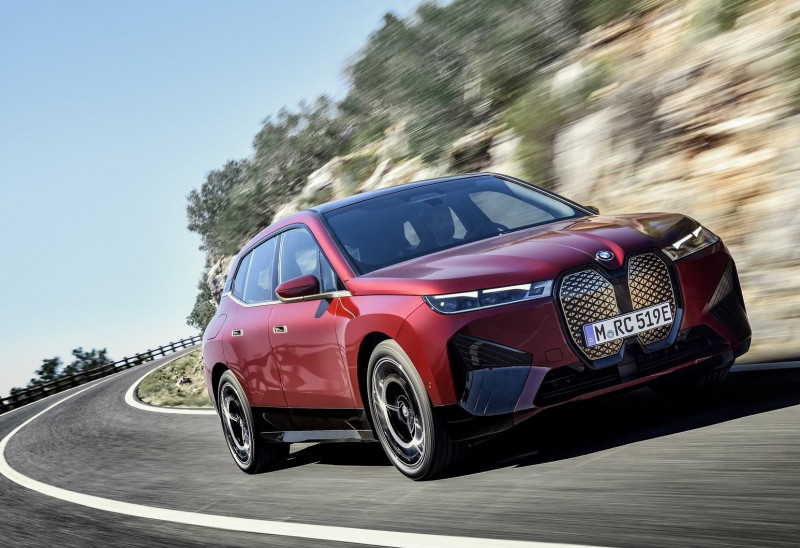
The BMW Vision iNEXT concept becomes the BMW iX full-electric SUV in less than a year as its market launch is around the corner. With its completely newly developed, precise and minimalist design, the BMW iX is the first representative of a trailblazing generation of cars poised to redefine the driving experience, the feeling of space inside and the relationship between vehicles and those on board.
.jpg)
The BMW iX, whose market launch will get underway in 2021, heralds a new age in mobility and focuses on a fresh interpretation of design, sustainability, driving pleasure, versatility and luxury. It is the first model based on a new, modular, scalable toolkit on which the future of the BMW Group will be built. Conceived from the outset for purely electric mobility, the iX sees BMW redefining the successful Sports Activity Vehicle (SAV) which was first shown with the 2008 model BMW X6.
Delivers outstanding efficiency and long-range
The fifth generation of BMW eDrive technology, which encompasses the two electric motors, the power electronics, the charging technology and the high-voltage battery, guarantee exceptional efficiency. The power unit developed by the BMW Group and manufactured sustainably without the use of critical raw materials known as rare earths will, by the most recent calculations, develop maximum output of more than 500 hp. That will be enough to power the BMW iX from 0 to 100 km/h in under 5.0 seconds.
At the same time, the vehicle's clear aim is to post an exceptionally low combined electric power consumption figure for its segment of less than 21 kWh per 100km in the WLTP test cycle. A gross energy content of more than 100 kWh should enable the latest-generation high-voltage battery to record a range of over 600km in the WLTP cycle. That equates to more than 300 miles according to the EPA's FTP-75 test procedure.
DC fast charging, over 120km of extra range in 10 minutes
The new charging technology of the BMW iX enables DC fast charging at up to 200 kW. In this way, the battery can be charged from 10 to 80% of its full capacity in under 40 minutes. Added to which, within 10 minutes enough energy can be fed into the battery to increase the car's range by more than 120km. It takes less than eleven hours to charge the high-voltage battery from 0 to 100% at 11 kW from a Wallbox.
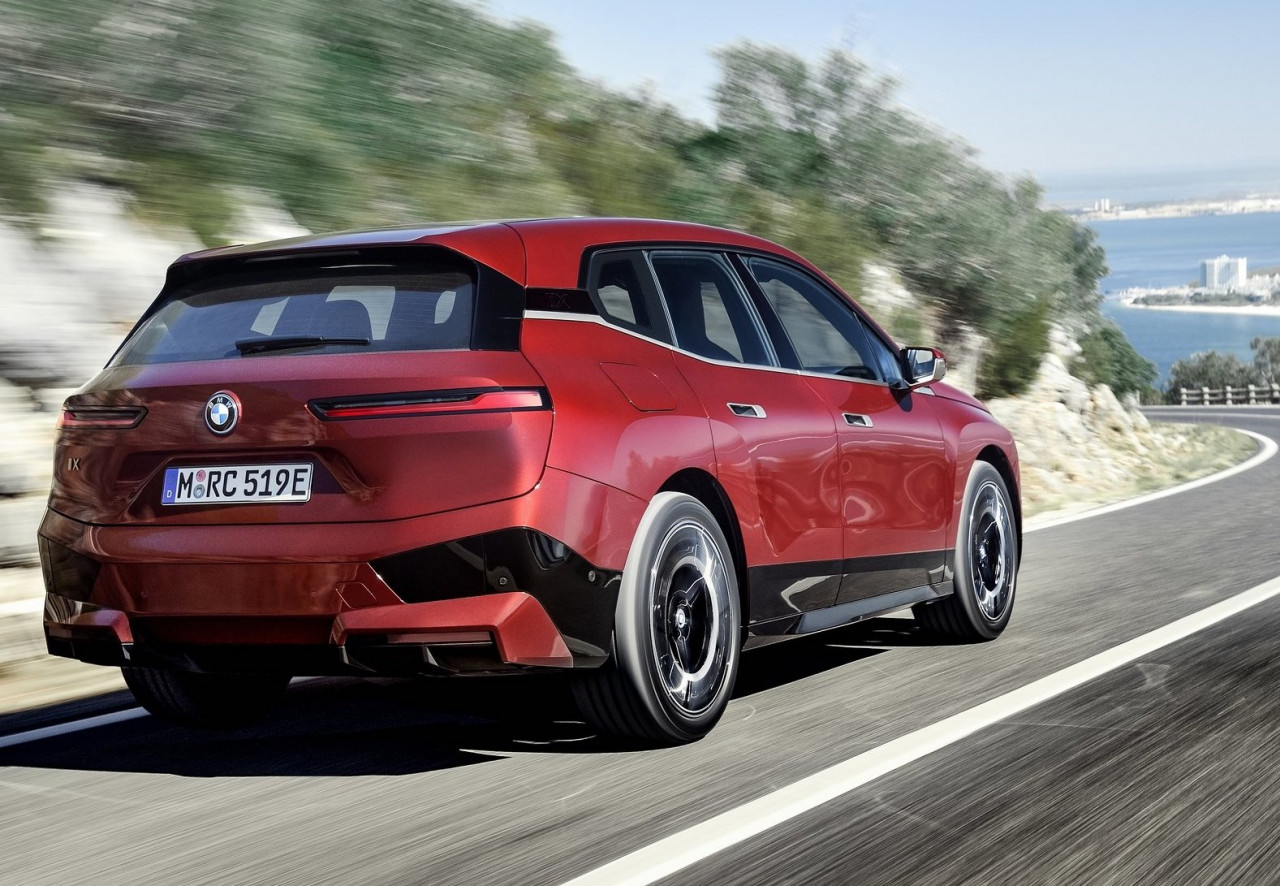
The batteries fitted in the BMW iX are designed as part of a long-term resource cycle and enable an exceptionally high recycling rate. The power used to produce the battery cells and the high-voltage battery as a whole come exclusively from renewable sources.
Sit back, be patient and wait for its launch before the end of this year. – The Vibes, March 5, 2021
This article is powered by www.dsf.my. For more automotive updates, follow DSF.my on Facebook and Instagram