
LET’S get this straight, understanding our mental capacity is important in today’s world more than ever before.
The demand for portrayals of various conditions associated with poor mental health, including treatment, relapse and the effects have increased at a rate never seen before.
That said, arguments on how the media grossly exaggerates many falsehoods which causes an increase in misunderstanding is not unfounded.
Hence, before we start lambasting recklessly, we must ensure that in our efforts to uphold an honest discourse to end any sort of stigma, our intentions (and actions) should be anything but negative and to the extreme.
Taking cues from the recent 'Layar Perak: Let There Be Light' to promote mental health and experiences connected to it via films, let’s carefully explore some takeaways together based on the expressions showcased through the selected releases.
*Spoilers ahead
Almost every one of us at this point equally understands how it feels like to suffer in silence, even when the circumstances are different.
Amidst the battles of anxiety, depression or other forms of emotional distress, our environment plays a vital factor in how we cope.
Existential peril
Jason Lee’s ‘Guilt’ tells us the possible perspective of a person with lived experience. However, in the case of the storyline itself, the turmoil of castigation and how the act of silence in reply is a sign of mortal consequences.
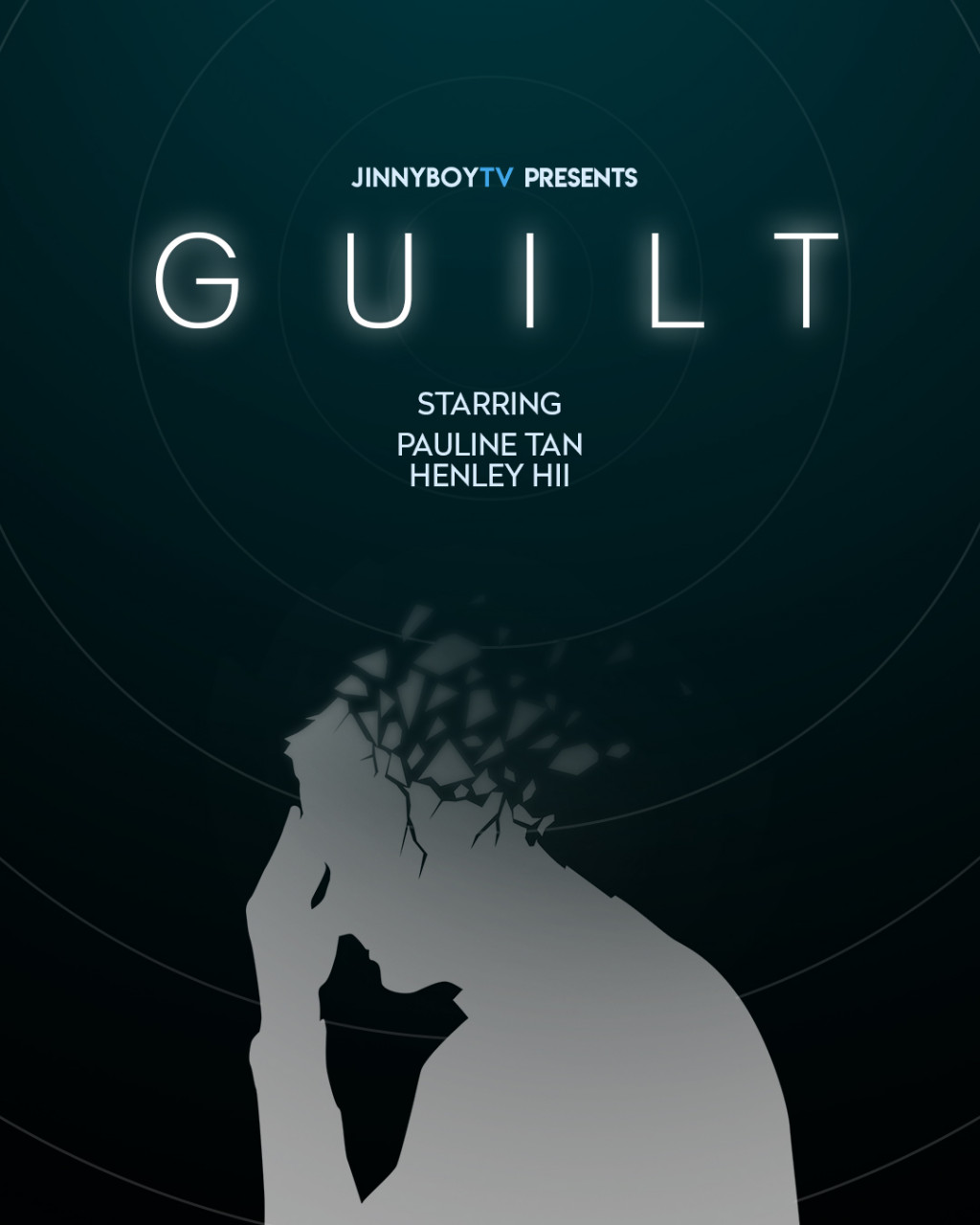
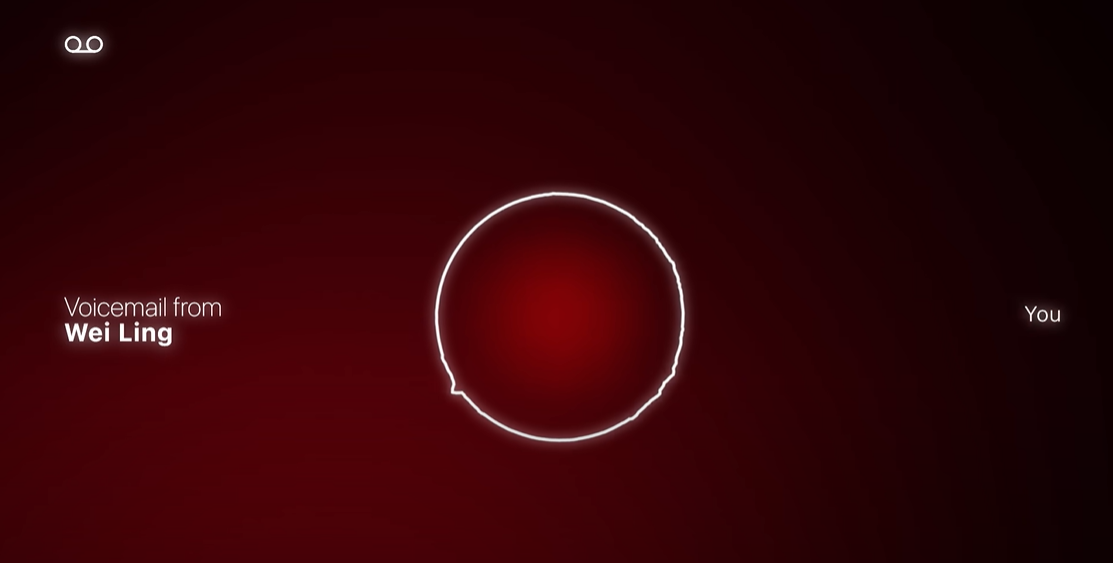
We follow the story of Wai Kit, who ran away from home after a fight with his father. His family attempts to reach him via multiple calls, leaving voicemails for the audience to follow.
Without any introduction to the characters, we saw increasing irritation and sadness by the family members through their voice messages when their cries were not answered. Towards the end, viewers were then revealed the reason for the absence of reply(s).
Kit committed suicide following the fight that broke, but the audience was not given the details of when it actually happened. This leaves the interpretation open for discussion.
What’s certain is that guilt carries an intricate pressure. An intense event tipping the balance of a person’s moral code has the potential to drive one to the edge.
The same emotional weight is also carried in most of the curated shorts premiered during the Layar Perak screening.
One significance is in the film ‘Palsy’, which highlights more on the struggle of having to fulfil an obligation and less on the consequences.
In the short film directed by Farihin Ufiya, the idea of pressure, or in this case, expectation takes a lot of forms and comes from a lot of different places. No matter what type of pressure one may be experiencing, it’s going to affect your mental health.
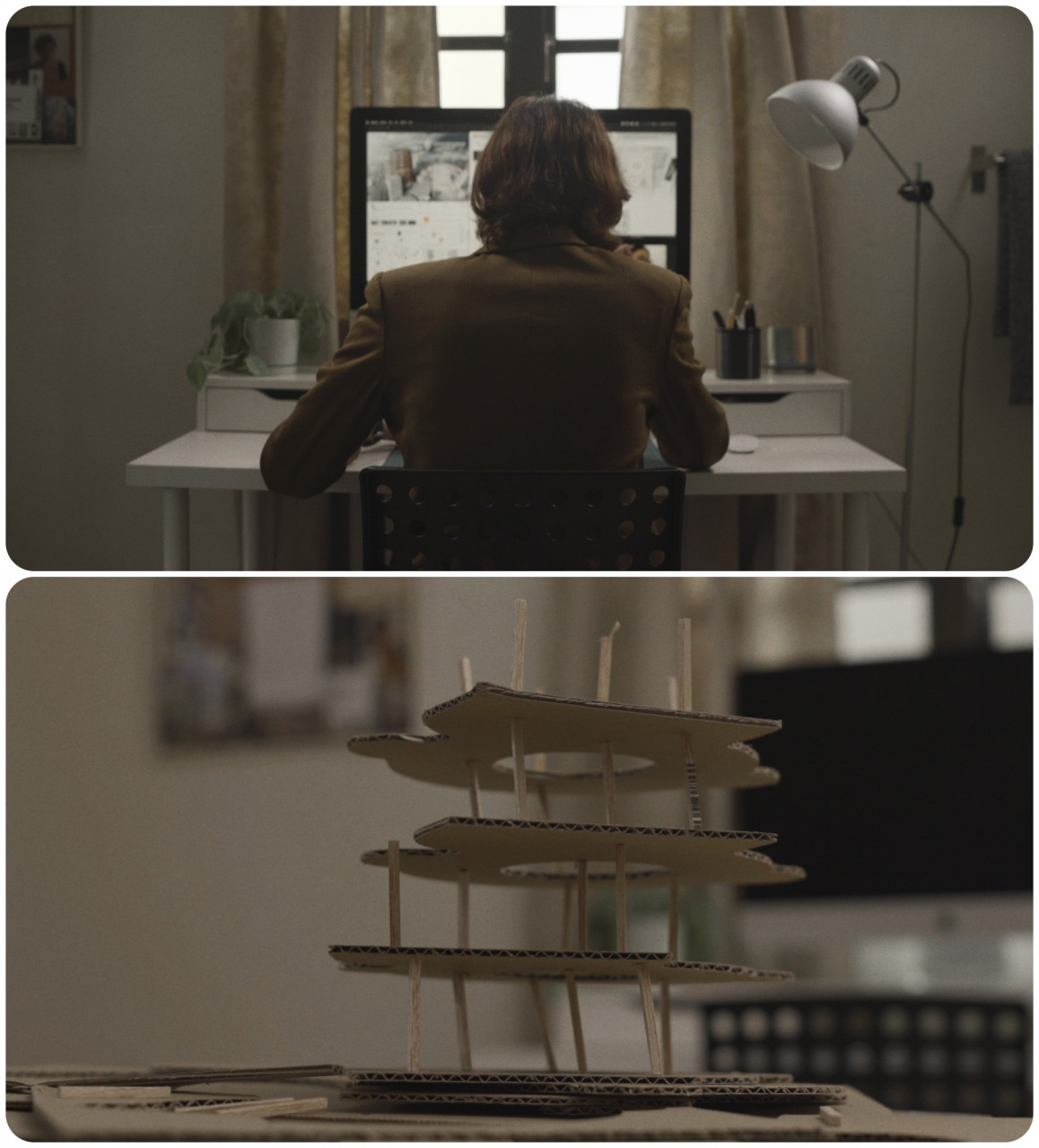
How many of us have actually one with days (some weeks) of restless or erratic sleep patterns?
What if in the efforts of our societal pursuits, we fail to give ourselves a breather when needed?
Dreaming during sleep is common, but some people go through vivid and intrusive perceptions, aka nightmares, while they lay helpless in bed.
The concept of sleep paralysis was explored greatly in this short film as we follow the – restless – nights of an architecture student working hard to live up to the expectations of his class.
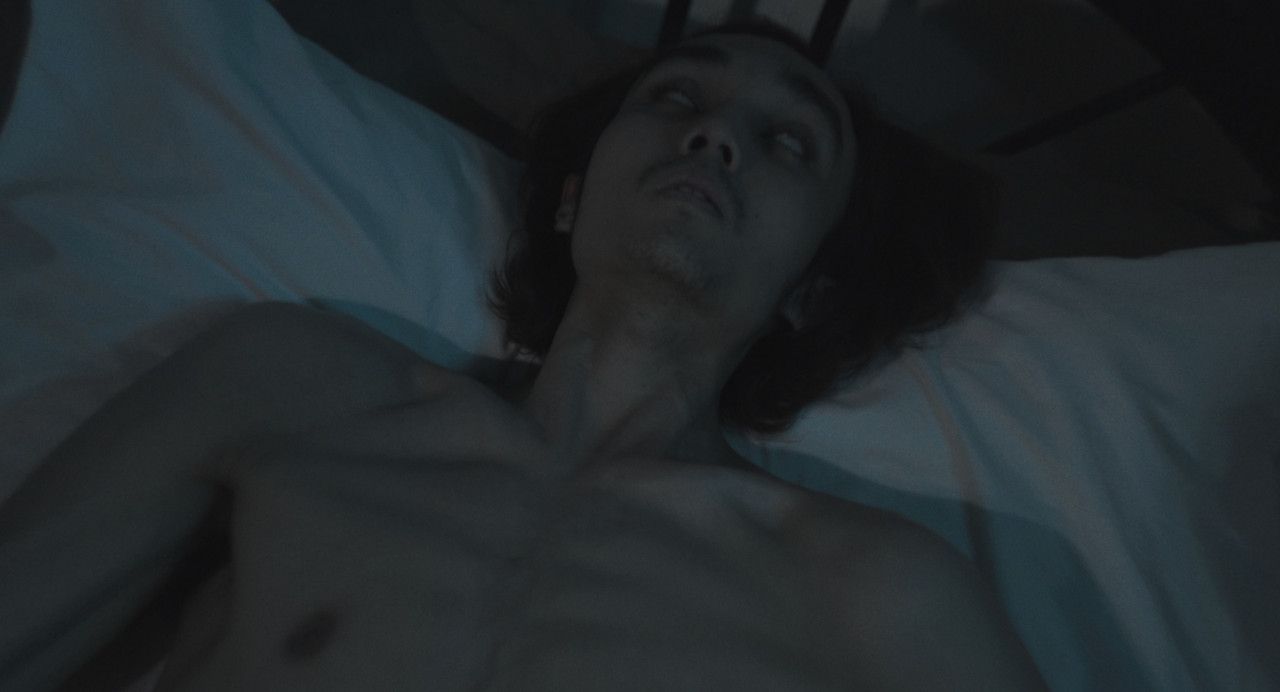
The writer must note that sleep paralysis, in actuality, is classified as a benign condition and not a sleep disorder. It can be treated. This can be done by correcting one’s sleep cycle and looking at changing existing lifestyle habits that cause the experience to take hold in the first place.
While sleep paralysis may be unsettling, a person experiencing it can often be misunderstood for having mental illness issues when it is not.
However, to disregard it completely in the makeup of achieving healthy well-being would be ill-advised.
No time to stray
Going back to the point where our environment plays a vital factor in how we cope, mental resilience must be built based on support.
As leaders and industry players worldwide push towards the endemic phase, trying to rid the restraints that the pandemic brought for economic stability, one can’t help to wonder if we would all forgo the emotional lessons of stillness and isolation once society tastes even the slightest element of normalcy.
Either consciously or subconsciously, anyone landing on this page has actually bothered to take the time to care about the article.
So, when it comes to the openness surrounding mental health, let the writer emphasise that we cannot afford for the state of it to regress. Not when discussions on the community level (at least) have been welcoming. – The Vibes, October 2, 2021
*If you or your loved ones are experiencing emotional distress or suicidal ideation, please reach out to any of the following helplines:
Befrienders KL (24-hour helpline) – Call 03-76272929
Talian Kasih (24-hour helpline) – Call 15999 or WhatsApp 019-2615999
Talian BuddyBear for children and teenagers (from 12pm to 12am) – Call 1800-18-2327 or message on Facebook (@buddybear.humankind)
For a list of mental health services available in Malaysia, visit
http://sites.google.com/view/nyawa/resources
Rewatch the curated shorts of 'Layar Perak: Let There Be Light' below...