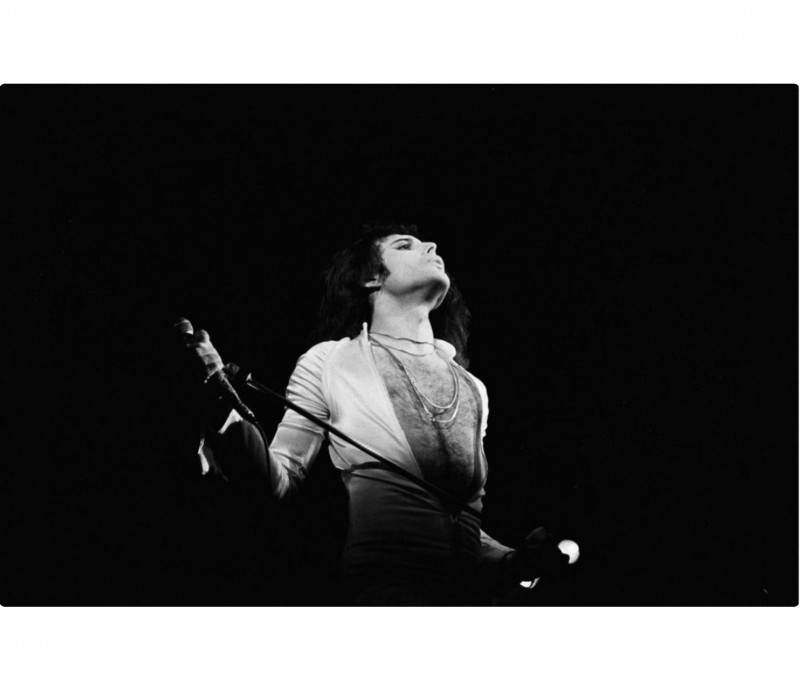
NOVEMBER 24 marks the anniversary of the death of the late Queen frontman Freddie Mercury and fans are celebrating the singer.
Mercury died from AIDS-related complications 30 years ago today. He declined to speak publicly about his diagnosis until the day before his death.
On November 23, 1991, Mercury issued a press release about his condition. It confirmed speculation that he had tested positive for the disease.
“Following the enormous conjecture in the press over the last two weeks, I wish to confirm that I have been tested HIV positive and have Aids,” read Mercury’s statement.
“I felt it correct to keep this information private to date to protect the privacy of those around me. However, the time has come now for my friends and fans around the world to know the truth and I hope that everyone will join with me, my doctors and all those worldwide in the fight against this terrible disease.”
It went on: “My privacy has always been very special to me and I am famous for my lack of interviews. Please understand this policy will continue.”
A new documentary to be aired this Saturday on BBC Two, 'Freddie Mercury: The Final Act', which features interviews with the artist’s friends and former bandmates, will elaborate on the final chapter of Mercury's life.
In a Wales Online report, a charity head said Freddie Mercury going public with his HIV diagnosis before he died was a “cultural touchstone moment”.
The United Kingdom's National AIDS Trust chief executive Deborah Gold reflected on how far the world has come in the fight against AIDS since the flamboyant and charismatic frontman died aged 45, after suffering from bronchial pneumonia resulting from AIDS.
Gold credited the Zanzibar-born singer, along with Diana, Princess of Wales, and more recently rugby league international Gareth Thomas, as someone who has had a “powerful” influence in tackling the stigma associated with AIDS.
She told the PA news agency: “Freddie Mercury has really had a lasting legacy.
“He’s one of a small handful of people who is truly enormously internationally well-known, and so at the time, his death had a huge impact.
“In the short period of time before he died, he was open about the fact that he had AIDS, and when those moments happen, it’s possible to grab hold of them and use them for something else.
“I think the other members of Queen and his friends really did that through their work at the Mercury Trust.
“They were able to take a really upsetting and sad situation and used the learning from that to really impact change.”
The Mercury Phoenix Trust raised £579,021(RM3.258 million) this year. It was founded by Queen members Brian May and Roger Taylor along with their manager Jim Beach to fund AIDS education and awareness projects in the developing world.
May talked about his friend's last days fondly on Good Morning Britain recently, according to Express.
Today is 30 years since Freddie Mercury sadly passed away - but how much do we know about the rockstar from Zanzibar? pic.twitter.com/qzTQOVxSbG
— BBC Sounds (@BBCSounds) November 24, 2021
He said it wasn't always easy for the band to protect Mercury.
"It was a hard time but it kind of united us as a family.
"We kind of closed ranks around Freddie and tried to make his life as easy as possible and tried to keep the harpies away. [There were] lots of people, kind of, poking lenses through his windows. It was a horrible time for him."
May went on to say that Freddie had a "lovely time" in those final days with the band.
This was mostly because of the recording studio where he was staying.
He said: "We could make music – and making music was Freddie's life. He could insulate himself once he was in that environment.
"Strangely enough it was one of the most joyful times we ever had. Freddie seemed to be able to leave it all outside and just enjoy making his music."
May also spoke candidly about The Freddie Mercury Tribute Concert he and the rest of Queen held for Mercury.
The concert was held six months after Mercury had died, and it aimed to help those affected by AIDS.
May mused that the stigma around the disease was "standing in the way of humanity preventing it".
He went on: "We did the tribute concert for Freddie, but also to start the awareness that AIDs was a disease that affected everyone."
May added: "And we made some of the first steps to remove that stigma [with the concert]."
Mercury died in his home in Kensington. A funeral service was conducted on November 27, with 35 close friends attending, including Elton John and the rest of the band. – The Vibes, November 24, 2021