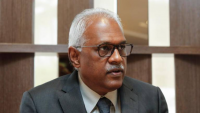
FORMER Klang MP Charles Santiago expects the tabling of today's fiscal Budget for next year to include concrete steps to address food security and lower consumer prices due to the global inflation spike in food costs.
Santiago, an economist by training, said that high global prices are a major contributor to living costs issues which has weighed down on economic growth.
"We need to take cognisance that high food prices are down to a combination of supply chain woes, climate change and in Malaysia, lower productivity of food cultivation."
While the supply chain is back to its optimum levels after the Covid-19 disruption, climate change is another factor that needs more attention, especially in how farming is conducted outdoors, he noted, alluding to the need to increase production in agriculture.
Santiago said more incentives should be featured in the Budget to entice more investments and human capital to migrate into the food commodities sector.
Prime Minister Datuk Seri Anwar Ibrahim, who is also the Finance Minister, is expected to table the Bill in Parliament later today.
Santiago said that a report in the European Union has revealed for the first time that climate change is now driving disruptions to farmers, plantations and logistics.
"We see the severity in weather patterns disrupting planting cycles and harvesting rates. In Malaysia, padi fields are now prone to constant flooding. That is our reality."
Moving ahead, Santiago said that the Budget must focus on reining in living costs, and one underlying area is the high costs of food, which automatically translates to what people are consuming nowadays - the affordability of it.
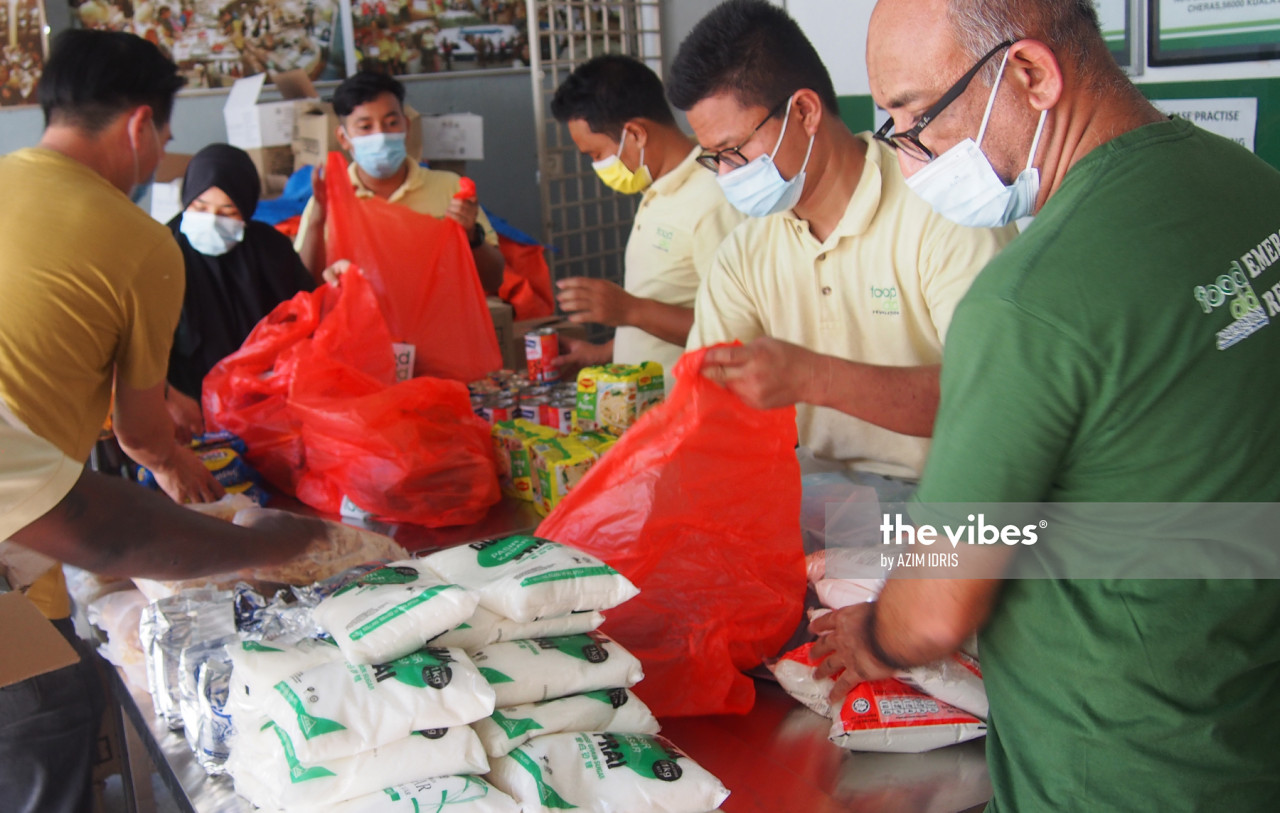
He also wants the Finance Ministry to address malnourishment cases among B60 (low-middle-income) schoolchildren in rural areas.
This can be overcome by enticing single mothers to venture into providing nutritional food at school canteens.
Santiago also wants to see the expansion of alternative energy sources in the Budget, citing that with the humid temperate weather which Malaysia endures, there is an opportunity to tap the solar panel installation projects.
"We should see more villages and low-cost affordable housing schemes installed with solar panels so its tenants who belong to the B60 enjoy subsidised electricity rates."
In turn, the community can harvest the energy generated from the solar panels, and sell it back to Tenaga Nasional Berhad (TNB) for distribution to commercial consumers.
In rural localities, which are mostly flat lands, there are lower obstacles in harnessing the power which can be generated from the sun to the solar panels.
Santiago said that the Budget is expected to be people-friendly with the overriding theme of lowering living costs, which is a boon to the boom in enjoying economic growth.
It comes with a sense of confidence in the economy with the gradual rebounding of the ringgit against both regional and the US Dollar.
Santiago also said that the Budget is expected to entice the private sector into boosting wages and to venture into upscaling of workers' skills in view of the shift towards high tech such as Artificial Intelligence and the Internet of Things. - October 18, 2024.