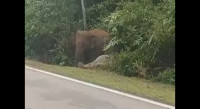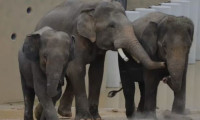
CONSERVATIONISTS have warned that the Pan-Borneo Highway's route through Tawai Forest Reserve in Telupid could worsen human-elephant conflicts (HEC) and fragment critical habitats.
The 22,697-hectare reserve, a Class 1 Protection Forest since 1984, is home to Bornean elephants, orangutans, sun bears, and clouded leopards.
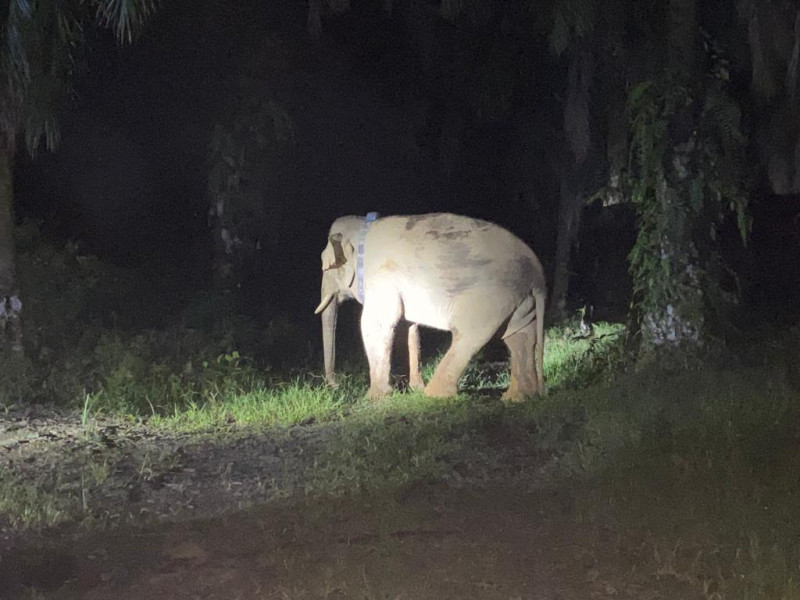
Dr. Nurzhafarina Othman of Seratu Aatai revealed increasing elephant sightings in areas untouched since the 1980s, even before construction began.
“Disrupting these intact habitats will escalate conflicts and harm wildlife,” she said at the “Defining Tawai: Ecological Integrity Meets Social Values” seminar in Kota Kinabalu.
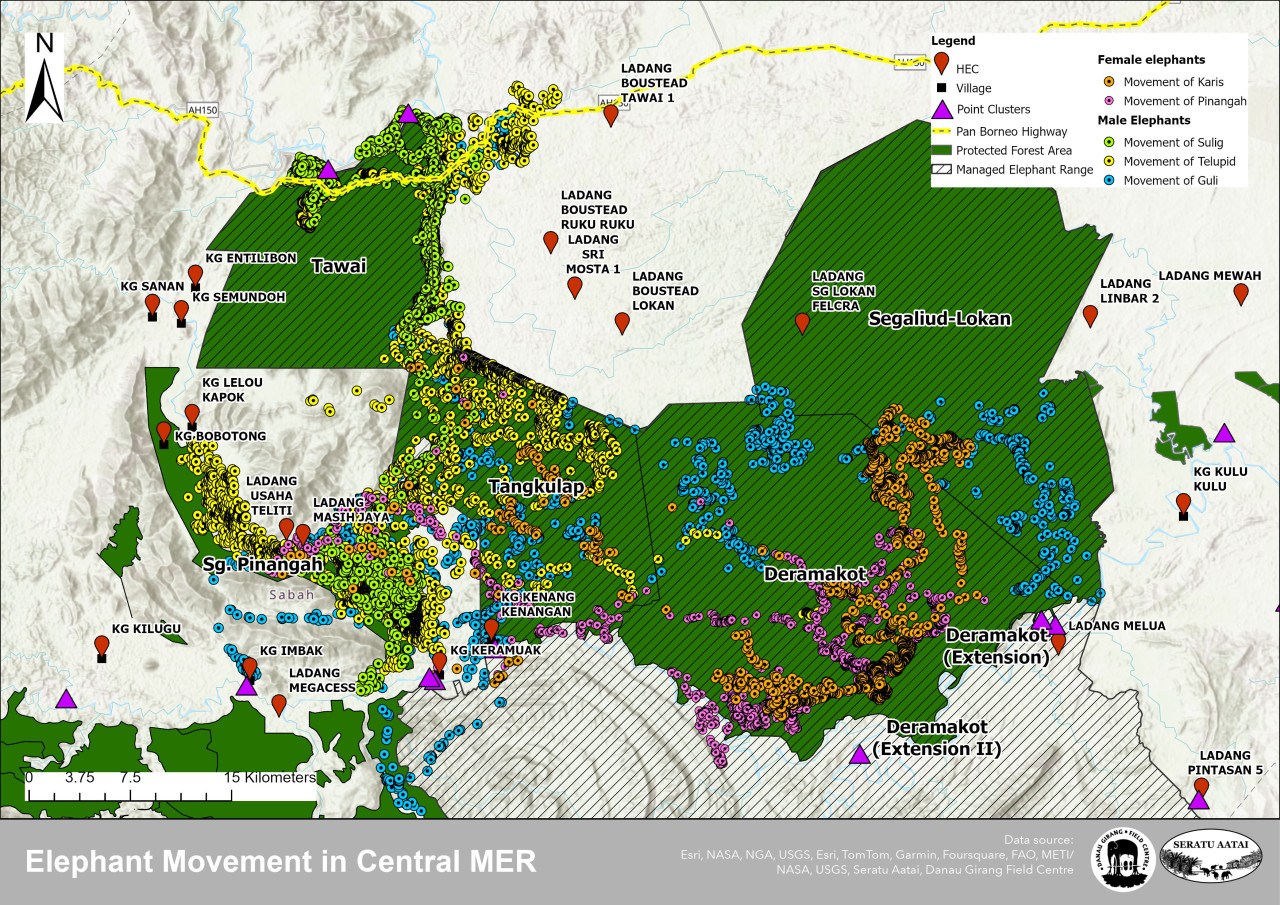
Satellite tracking data by Danau Girang Field Centre (DGFC), Sabah Wildlife Department (SWD), and Seratu Aatai confirm the highway cuts through key elephant corridors.
DGFC Director Prof. Benoit Goossens said any linear infrastructure would severely impact endangered species, including the rediscovered Bornean peacock-pheasant.
“Electric fences and compensation schemes are costly band-aid solutions,” said Dr. Nurzhafarina. “Addressing habitat loss and fragmentation is key.”
Prof. Goossens proposed rerouting the highway or building elevated roads, citing Peninsular Malaysia’s Sungai Purun viaduct as an example.
In October, the Asian Elephant Specialist Group (AsESG) formally appealed to Sabah’s Chief Minister and Public Works Minister to reconsider the highway’s alignment.
“Further habitat destruction will increase HEC and diminish forest ecosystem services,” said Goossens, warning of cascading effects on local communities.
Tawai Forest Reserve also features Sabah’s second-tallest waterfall and ultramafic forests, highlighting its ecological significance.
The highway, spanning 706 km in Sabah, aims to improve regional connectivity but has faced delays, with Phase 1 now expected to finish by 2026.
Experts argue development must balance infrastructure needs with conservation to avoid irreversible damage to Sabah’s unique biodiversity. - December 1, 2024