THE Malaysian Prison Department today stressed that there is no 'VIP' or 'hotel' treatment involving any prisoner in prisons across Malaysia as often claimed by the public.
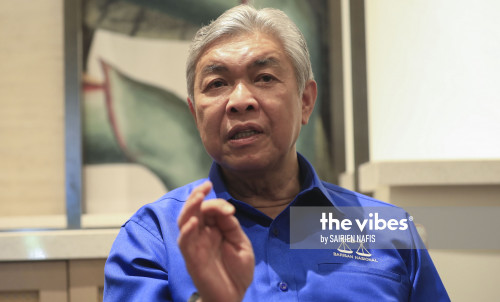
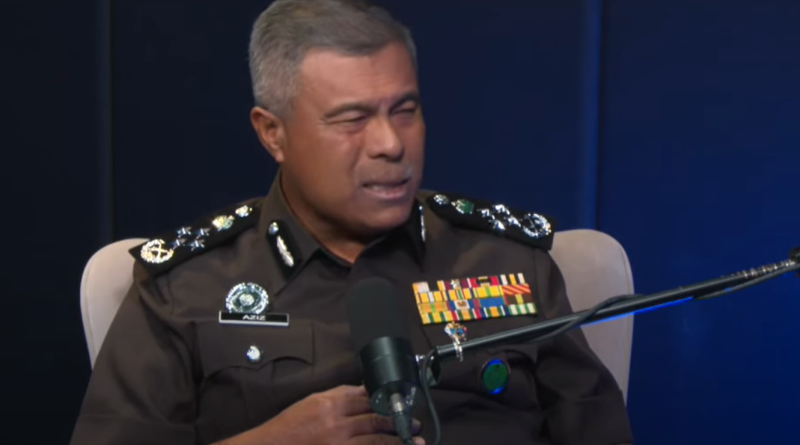
Its Director-General Datuk Abdul Aziz Abdul Razak who denied such claims, however, said that some high-profile prisoners were usually placed in separate cells.
According to him, the move is not special treatment, but rather for security reasons, especially for prisoners who receive extensive media coverage or can spark conflicts in prison.
"Actually, the term (VIP) is just the understanding of the outside community, in prison all prisoners are treated fairly and equally.
"Our principle is the duty of care, ensuring the safety and welfare of prisoners from the moment they enter until they are released, but there is indeed a need to isolate certain prisoners.
"This isolation is not special treatment, but security measures and claims of 'hotel beds', 'air conditioning' or 'luxury food' are not true," he said.
He said this when speaking on the podcast program 'Apa-Apa Saja' broadcast on Harian Metro's YouTube, today.
Abdul Aziz said, there are approximately 6,500 prisoners currently outside the iron curtain under the Community Rehabilitation (PDK) programme as an initiative to reduce prison overcrowding and give them a second chance.
According to him, apart from punishing, the main task of prisons is to rehabilitate prisoners or now known as 'prospects' so that they can live their lives and most importantly not return to the iron curtain.
Abdul Aziz said, to change the stigma and negative views of society towards prisoners or former prisoners, they use a more positive term, namely 'prospect'.
He said the effort was to prove to the public that this 'prospect' can recover and rejoin society as a responsible human being.
"We call them 'prospects', softer and more lenient, so that people can accept them again after they finish serving their sentences.
"Accepting them (prospects) is not easy and we can't force people. We hold to the principle that although the world is harsh, we can soften it through human values, we often punish but we can also rehabilitate, this is the prison's responsibility to society.
"I hope that before I retire, this effort can be continued, don't change policies and approaches, our focus is to ensure that prisoners can be accepted back by society," he said.
According to him, various initiatives have been taken from the perspective of 'prospect' rehabilitation and the approaches taken are in line with his efforts to address the issue of overcrowding in prisons.
He said that apart from parole, the Prison Department has launched the Corporate Smart Internship programme involving companies that are happy to accept 'prospects'.
He said the programme only involved 'prospects' with non-serious offences and paid a minimum salary of RM1,700 per month, which was a huge amount for them.
Commenting on the overcrowding in prisons and the issue of over 100-year-old prisons that are dilapidated, Abdul Aziz said he hoped to be able to obtain additional funds in the next budget from the government and make it a priority in the transformation plan.
"It is true, there are prisons that are over 100 years old such as Penang Prison (176 years old), Taiping, Batu Gajah and several others and the most critical issue is their outdated sewage system.
"The Prisons Department and the Ministry of Home Affairs (KDN) are working on replacing these old prisons with new facilities, but it requires time and a large allocation," he said. – July 14, 2025