THE 13th Malaysia Plan (RMK13), outlining a comprehensive national strategy to rebalance regional growth, reinvigorate tourism, expand creative and digital industries, and modernise infrastructure, while embedding strong governance and international engagement throughout its economic agenda.
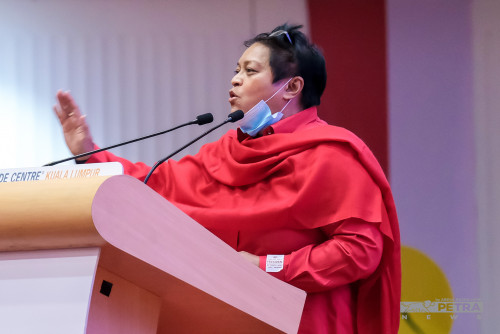
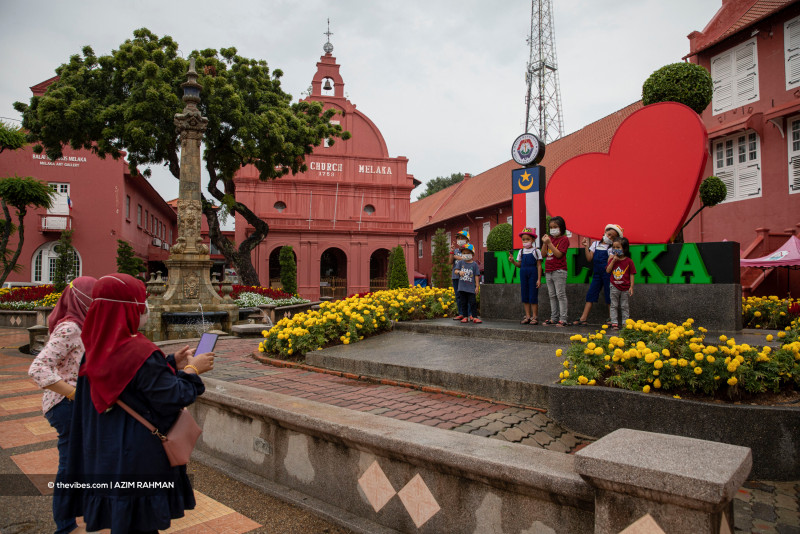
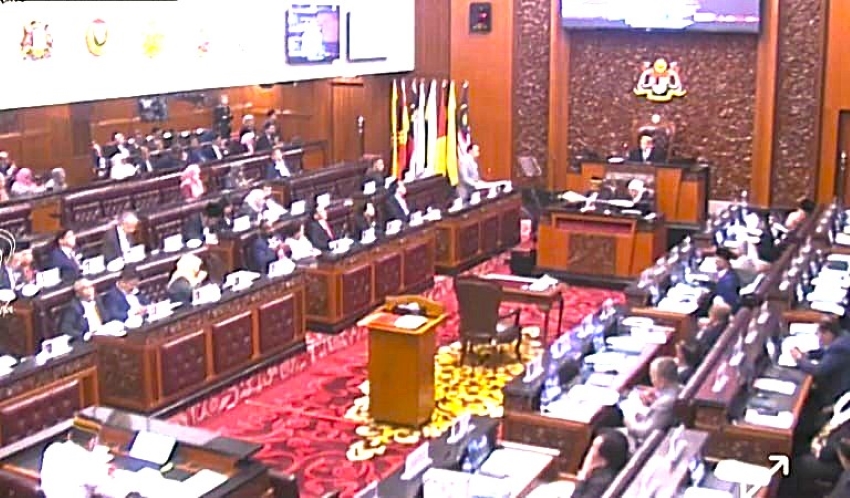
Prime Minister Datuk Seri Anwar Ibrahim, in the Dewan Negara today, said a centrepiece of the plan is a renewed focus on tourism, with Special Tourism Investment Zones (STIZ) being developed in Johor, Melaka, Negeri Sembilan, Sabah and Sarawak. These zones aim to stimulate the creation of new tourism products rooted in the country’s cultural, natural and heritage assets.
“Through the Kuala Lumpur Heritage Initiative, historic landmarks such as Stadium Merdeka, the Sultan Abdul Samad Building, Dataran Merdeka, Kuala Lumpur Railway Station and Carcosa Seri Negara will be preserved and restored,” Anwar announced.
It also plans to empower the homestay industry to spread tourism’s economic benefits to rural areas.
Visit Malaysia Year 2026 is expected to serve as a key driver towards increasing tourism’s contribution to GDP to 16 percent during the RMK13 period.
The government, under RMK13, will also double down on its digital creative industry, which has already generated RM6.3 billion in revenue and RM850 million in exports. Talent development will be enhanced, alongside the introduction of Co-Production and Matching Funds to support the creation of globally competitive content.
Micro, small and medium enterprises (MSMEs) remain integral to the country’s socio-economic fabric. With an ambition for MSMEs to contribute 50 percent to GDP by 2030, the government is targeting an increase in medium-sized enterprises from 1.8 percent in 2023 to 5 percent by decade’s end.
Scaling will be facilitated by strategic support from government-linked companies and initiatives such as the Strategic Investment Fund, working capital enhancement, project financing and capacity-building programmes.
Malaysia’s economic shift towards value creation will be matched by increased investment in Research, Development, Commercialisation and Innovation (RDCI), targeting 2.5 percent of GDP. Human capital development will be reinforced through collaboration among key ministries, including Higher Education, Education, Economy, Rural Development and MARA.
TVET offerings will be restructured to align with high-growth, high-value sectors and advanced technologies. These reforms are anticipated to help create 700,000 new jobs in manufacturing and 500,000 in the digital economy.
“TVET enrolment among SPM graduates is targeted to rise from 55 percent in 2025 to 60 percent by 2030,” the government said. To support this, the Skim Pembiayaan Perkasa TVET Madani and TVET Training Fund will be introduced.
TVET opportunities will also be extended to tahfiz students to nurture a new generation of technocratic huffaz under the MADANI vision.
At the heart of RMK13 is a strong emphasis on reducing regional disparities. Infrastructure, economic stimulation and strategic investment in rural and less-developed states—Perlis, Kedah, Terengganu, Kelantan, Sabah and Sarawak—will be prioritised.
In 2025, RM2.13 billion will be allocated to Kedah, RM3.12 billion to Kelantan, RM1.84 billion to Terengganu and RM610 million to Perlis for critical infrastructure upgrades, including roads, bridges, clean water access, electricity and internet connectivity.
“To drive investment in previously underserved areas, the government will focus on emerging industrial clusters including Chuping Valley Industrial Area and the Perlis Inland Port; Kerian Integrated Green Industrial Park and Lumut Maritime Industrial City in Perak; Tok Bali Industrial Park in Kelantan; and Kota Kinabalu Industrial Park in Sabah,” Anwar said.
“The Perlis Inland Port, for instance, will serve as a subregional trade catalyst,” the Prime Minister said, citing the northern states’ shared border with Thailand as a key strategic advantage.
Major infrastructure projects remain central to Malaysia’s regional integration strategy. Notable developments include the East Coast Rail Link (ECRL), Gemas–Johor Bahru double tracking, the E-ART transport system in Iskandar Johor, and the Penang Mutiara Line LRT.
Public transport improvements will be felt across both urban and rural settings. These include the addition of 300 Demand-Responsive Transit (DRT) vans, 1,200 new buses, and 217 new train sets to improve service frequency and connectivity.
Highway upgrades will include stretches of the PLUS Highway between Senai Utara and Machap in Johor and Juru to Sungai Dua in Penang, as well as the Central Spine Road in Pahang and Kelantan, the Pan Borneo Highway in Sabah and the Trans-Borneo Highway in Sarawak.
A further 2,800 kilometres of rural roads will be built to enhance accessibility, with major routes under development in Sarawak, Sabah, Perak and Pahang. A shift towards freight rail—moving cargo transport off roads—is also planned to increase railway freight share from 6 percent to 13 percent and reduce road accidents.
Sabah and Sarawak will benefit from large-scale energy initiatives, including the Sarawak Hydrogen Hub and the Sabah Energy Supply Guarantee.
Meanwhile, East Coast states will see development through national food production hubs, integrated halal industry zones and marine-based economic sectors such as fisheries, shipping and coastal tourism under the blue economy framework.
To elevate Malaysia’s international economic standing, initiatives such as the Johor-Singapore Special Economic Zone (JS-SEZ) are moving forward, supported by a one-stop investment facilitation centre.
The government will continue to promote regional economic integration under Malaysia’s ASEAN chairmanship through programmes like the ASEAN Power Grid, ASEAN Rail Connectivity and the Asia Zero Emission Community.
Malaysia’s cross-border connectivity will be further enhanced by infrastructure upgrades including the Rantau Panjang–Sungai Kolok bridge to Thailand, road improvements connecting Sabah and Sarawak to Kalimantan, Indonesia, and the continued development of the Johor–Singapore RTS Link and Perlis Inland Port.
Customs and immigration facilities at Bukit Kayu Hitam, Rantau Panjang, and in Sabah and Sarawak will be upgraded. National carriers are set to acquire 178 new aircraft to boost air connectivity, while the delisting of Malaysia Airports Holdings Berhad is intended to accelerate infrastructure renewal, improve service quality and expand global linkages.
Investor-friendly policies will be introduced to attract regional headquarters and global talent. Meanwhile, cooperation under economic platforms such as the Indonesia-Malaysia-Thailand Growth Triangle (IMT-GT) and the Brunei-Indonesia-Malaysia-Philippines East ASEAN Growth Area (BIMP-EAGA) will continue.
Efforts to diversify Malaysia’s export and investment markets will also be strengthened, targeting Europe, BRICS, Africa and the OIC. Local franchise industries will be encouraged to expand both regionally and globally.
To anchor all development efforts, the government reaffirmed its commitment to robust governance. “Our MADANI administration is founded on the principle of best governance, to earn the trust and confidence of the people and institutions,” the Prime Minister said, noting that Malaysia has climbed 11 places to 23rd in the 2025 Global Competitiveness Index.
Tangible efforts will be made to improve integrity, public sector delivery and fiscal management under the MADANI framework. These, the government says, will help restore Malaysia’s international reputation as a principled and respected nation.
To ensure implementation of the RMK13 agenda remains on track, the PPD Monitoring System will be enhanced with regular reporting to Cabinet to support timely course corrections.
“The change we seek requires the collective commitment of all stakeholders,” the Prime Minister concluded. “Our goal is not merely to achieve high-income status, but to ensure that every citizen enjoys a dignified life and equitable opportunities.”- August 25, 2025



.jpeg)