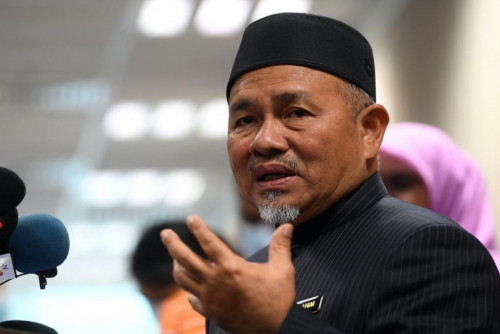

KUALA LUMPUR – The Pakatan Harapan government did continue to work on initiatives spearheaded by their Barisan Nasional predecessor, said Thulsi Manogaran, despite only being in federal power for 22 months.
While others may interpret the short tenure as a convenient excuse for lack of delivery, Thulsi, who was special officer to former deputy education minister Teo Nie Ching, said when PH took over the portfolio from MIC, the administration continued most of the work initiated by former deputy education minister Datuk P. Kamalanathan, while also improving certain initiatives.
"This is because we know that those initiatives were community demands brought forward by leading civil society organisations working with Tamil schools for decades, such as the Tamil Foundation.
"Those were not initiatives led by (Kamalanathan) personally," Thulsi told The Vibes recently.
On Kamalanathan's claim involving the lack of spending by the PH government, Thulsi said the aim of the then government was not to merely give Tamil schools exorbitant funding, but create long-term solutions.
"We made sure the allocation was strictly channelled to school boards or school accounts with no interference from other parties.
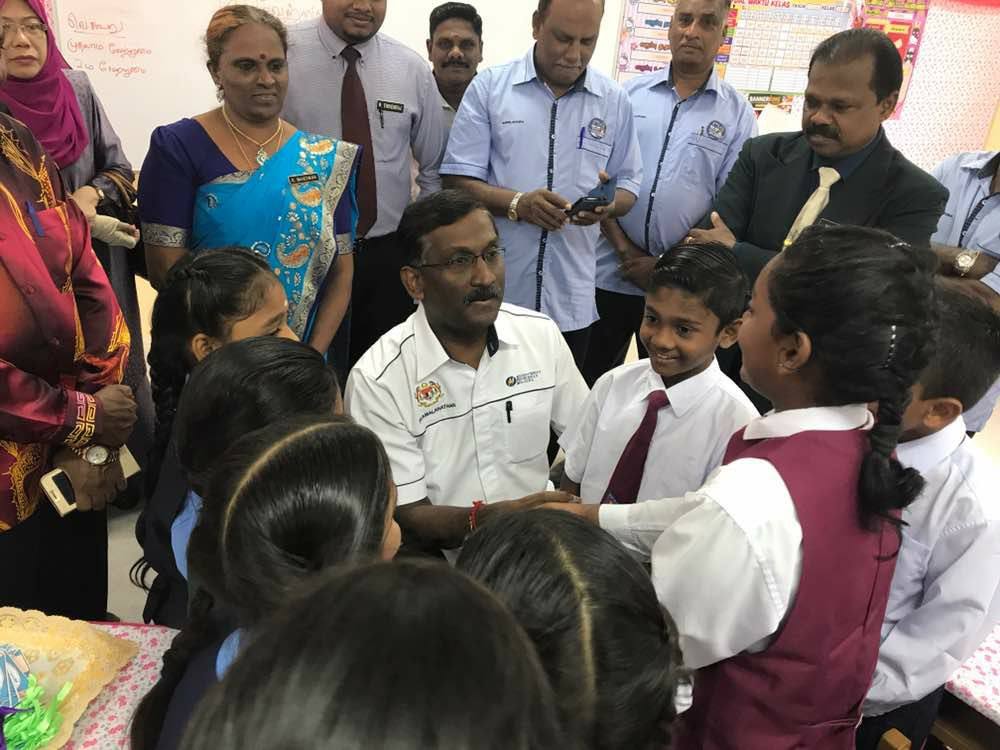
"So, schools were given time and guidance to apply for these funds, submitting their applications for maintenance and upgrading work with contractor quotations for the ministry’s evaluation.
"The former deputy minister’s office also had a team of quantity surveyors, engineers and subject matter experts as volunteers prepared to scrutinise these work quotations and help us in the decision-making process into the amount of funds needed for each school," she said.
'White elephants'
The reason behind what she described as a minimal amount of unspent monies was projects initiated by the BN administration, which ended up becoming a "white elephant" instead.
She cited the example of SJKT Dengkil's school-building project initiated by former prime minister Datuk Seri Najib Razak and Kamalanathan.
"The building, which was launched in 2015 by Najib, was proclaimed to be the first school building restored using the Industrialised Building System (IBS) technology in the country.
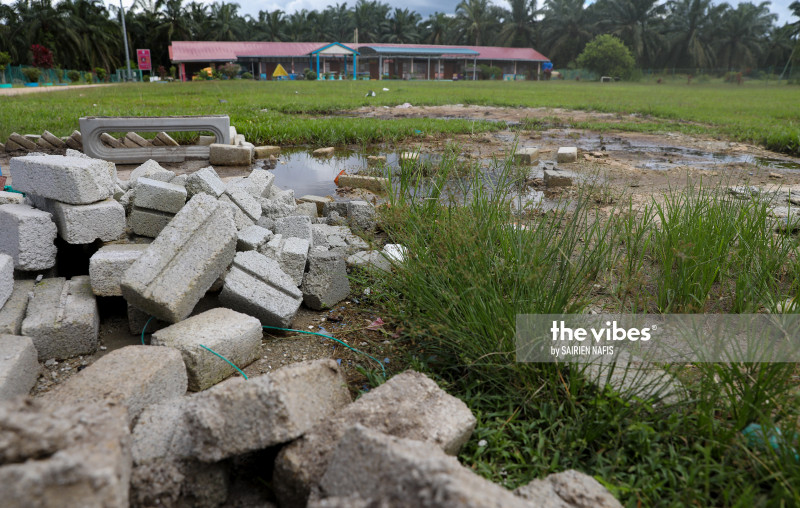
"Unfortunately, the building's condition has deteriorated as of February this year, and has not been in use. The school staff and pupils were forced to relocate to continue their classes.
"Our office (then) had to allocate some money for emergency demolition and rebuilding of the school. SJKT Dengkil is only one such example. There are others," she said.
On the SJKT Ladang Minyak issue, Thulsi said the government did not proceed with building the school as the land allocated by businessmen during BN's administration was in the middle of an industrial zone in Serendah.
"Today, the proposed land is surrounded by manufacturing factories. The school was also only allocated land that is less than 1ha.
"As per the government's policy, a primary school must be developed on a land measuring at least 2.4ha.
"Do Tamil schoolchildren deserve to study in a cramped environment in between large factories?"
She also pointed out that school relocation initiatives by the BN administration failed to reach their intended outcomes as well.
"Yes, the BN government did initiate and build over 30-odd schools. But the quality of the appointed contractors, location and poor number of students continue to plague Tamil schools.
"One example would be SJKT Ladang Lanchang in Pahang, which is a brand new relocated school but only has roughly 24 students.
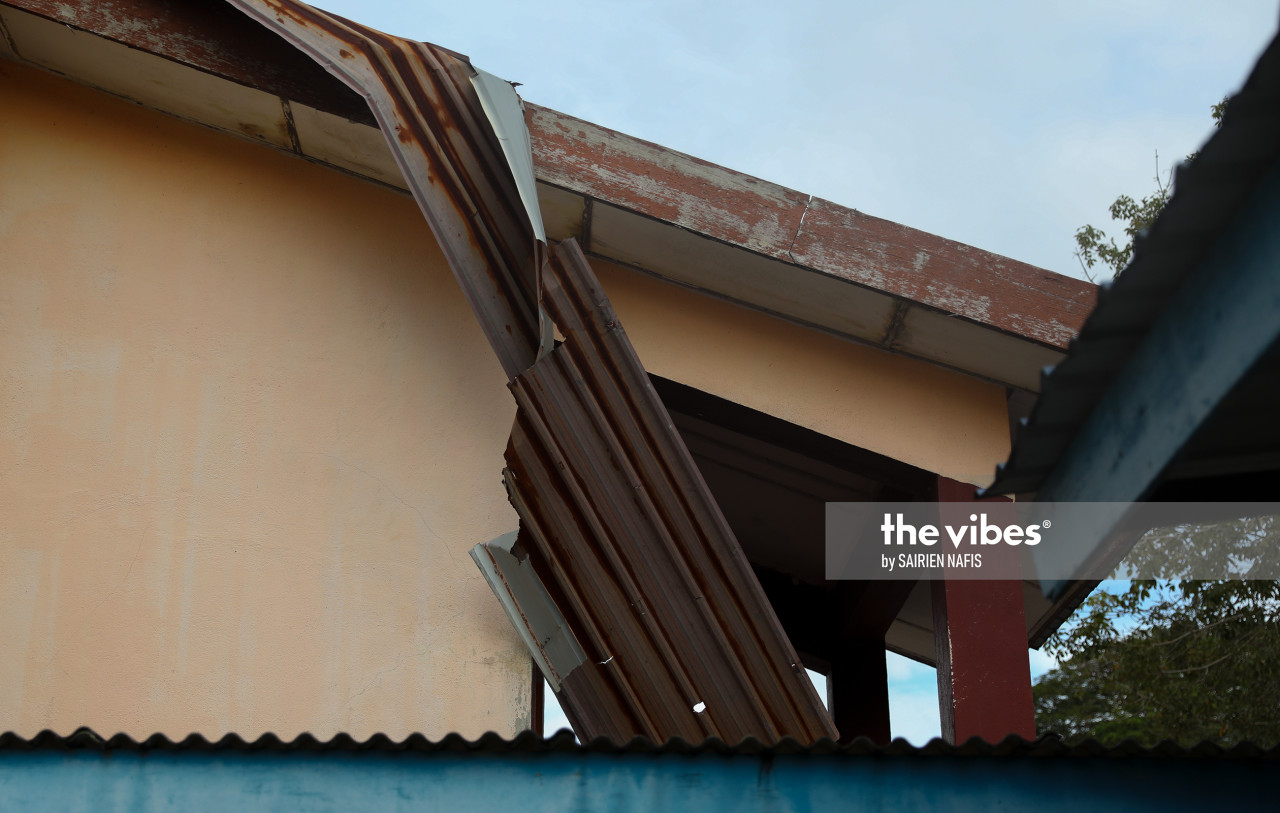
"Among other cases involve shoddy contractors being awarded school tender projects. Even now, one can visit certain schools and witness the terrible work that was done. Two examples would be SJKT Ladang Cairo in Negri Sembilan and SJKT Ladang Kulai Oil Palm in Kulai, Johor," she said.
Questioning whether feasibility studies were taken into account during the BN administration, she said it was pointless to initiate the building of schools if certain steps are not taken.
"It is not an achievement to build so many schools if these new schools do not meet the community’s enrollment demand. There is no point building preschools if the ministry has yet to sufficiently train enough pre-school teachers to be deployed to these schools."
In conclusion, she said the PH government did continue the initiatives by its predecessor but also started conducting thorough feasibility studies to ensure schools were built in suitable locations for the community – instead of simply trying to gain political mileage.
While PH did not reduce the RM50 million allocation in both budgets, she expressed hope that MIC – as part of the government today – will still play its part by helping to increase the allocation for Tamil schools.
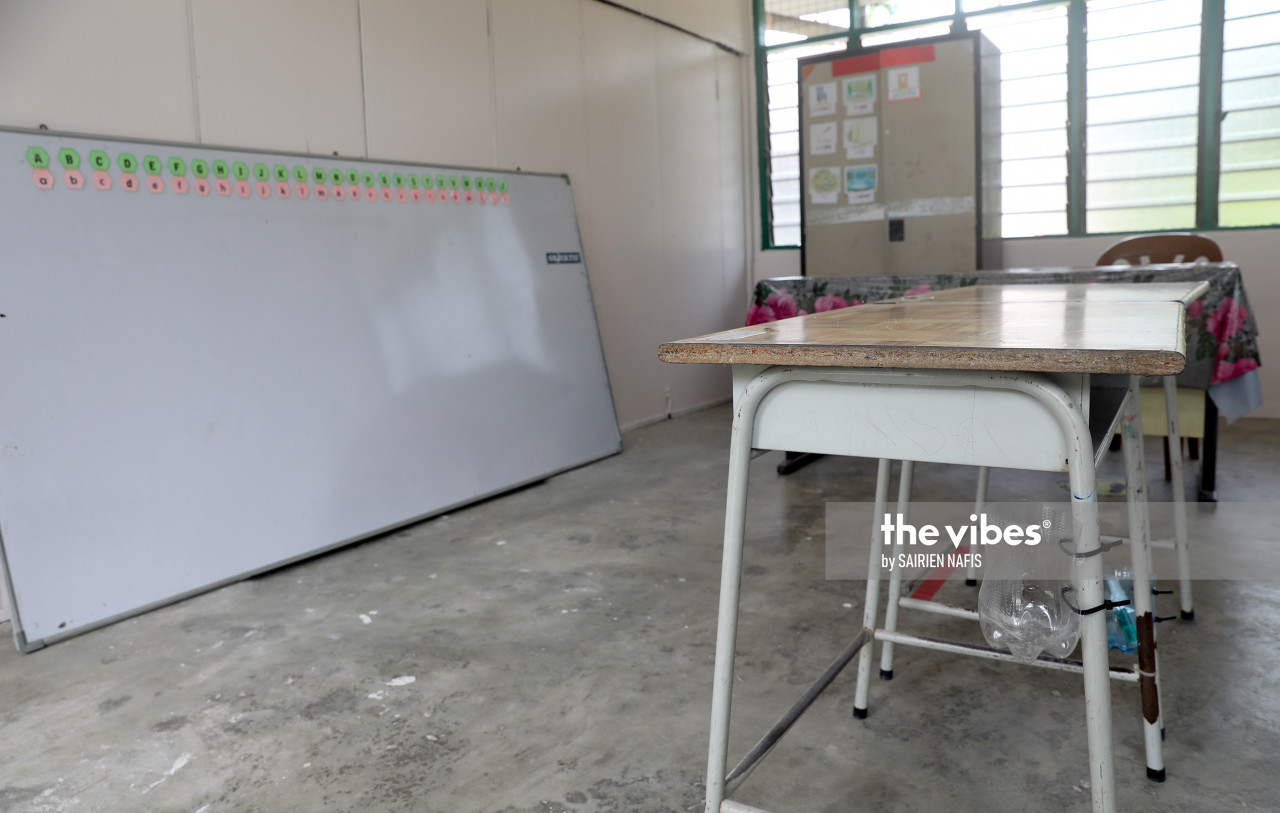
"Tamil schools need the RM50 million allocation, and the ministry must aid schools in meeting these funding opportunities.
"The lack of spending cannot be the reason behind allocating RM29.98 million for Tamil schools this time around by the Perikatan government."
Today, the future of Tamil schools lies in the hands of the perceived Malay-Muslim centric Perikatan Nasional government, and it remains to be seen whether this government – one that the people did not vote for – will fulfil its promise to care for every single community in Malaysia. – The Vibes, December 29, 2020
This is Part 2 of The Vibes' coverage on Tamil schools. To read Part 1, click here